Last updated November 21, 2026
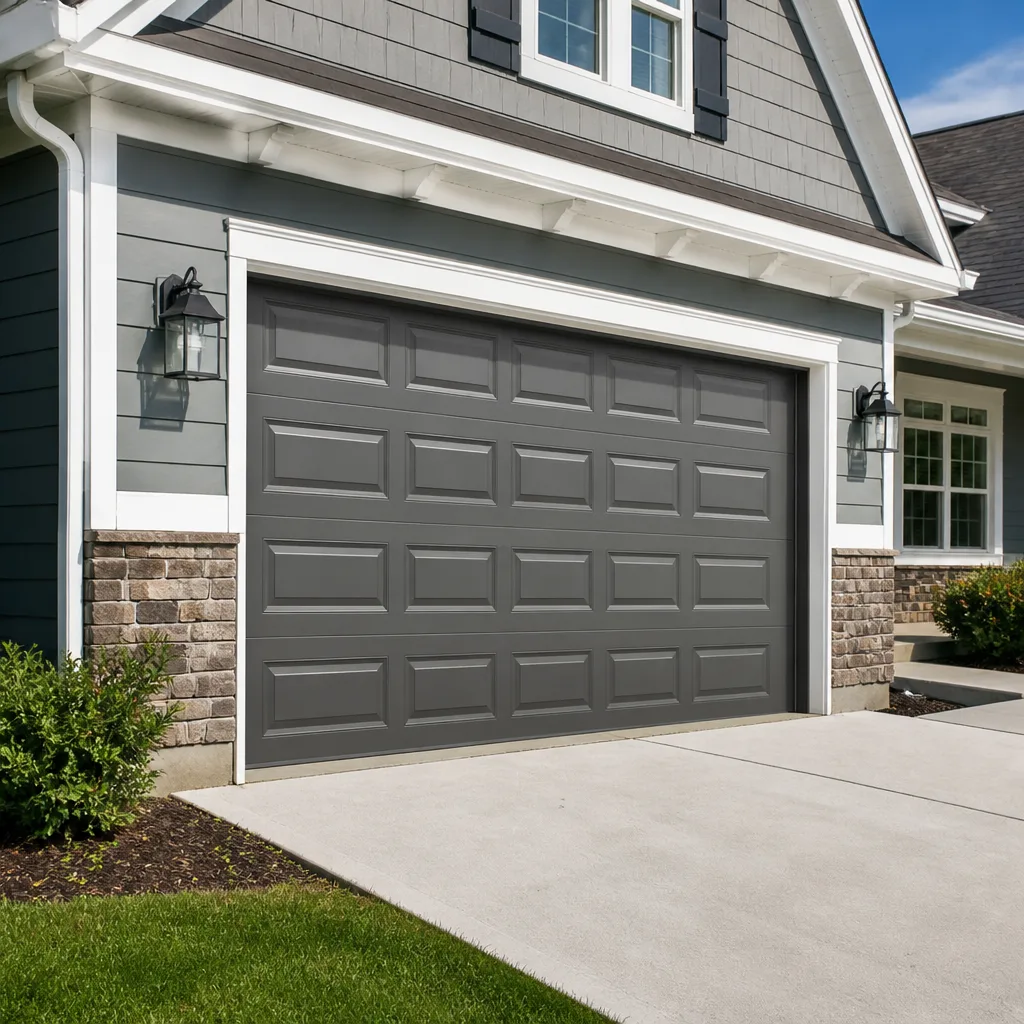 Raised-panel steel
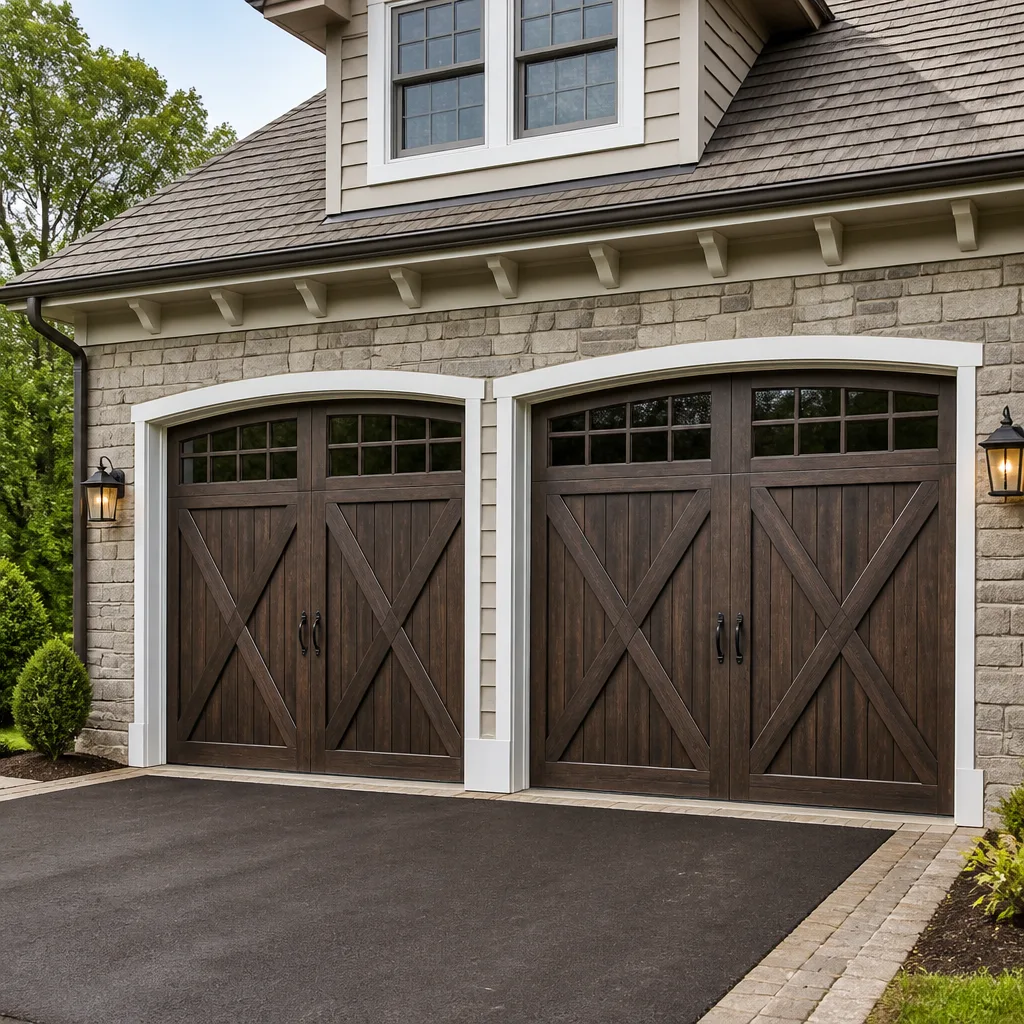 Carriage house
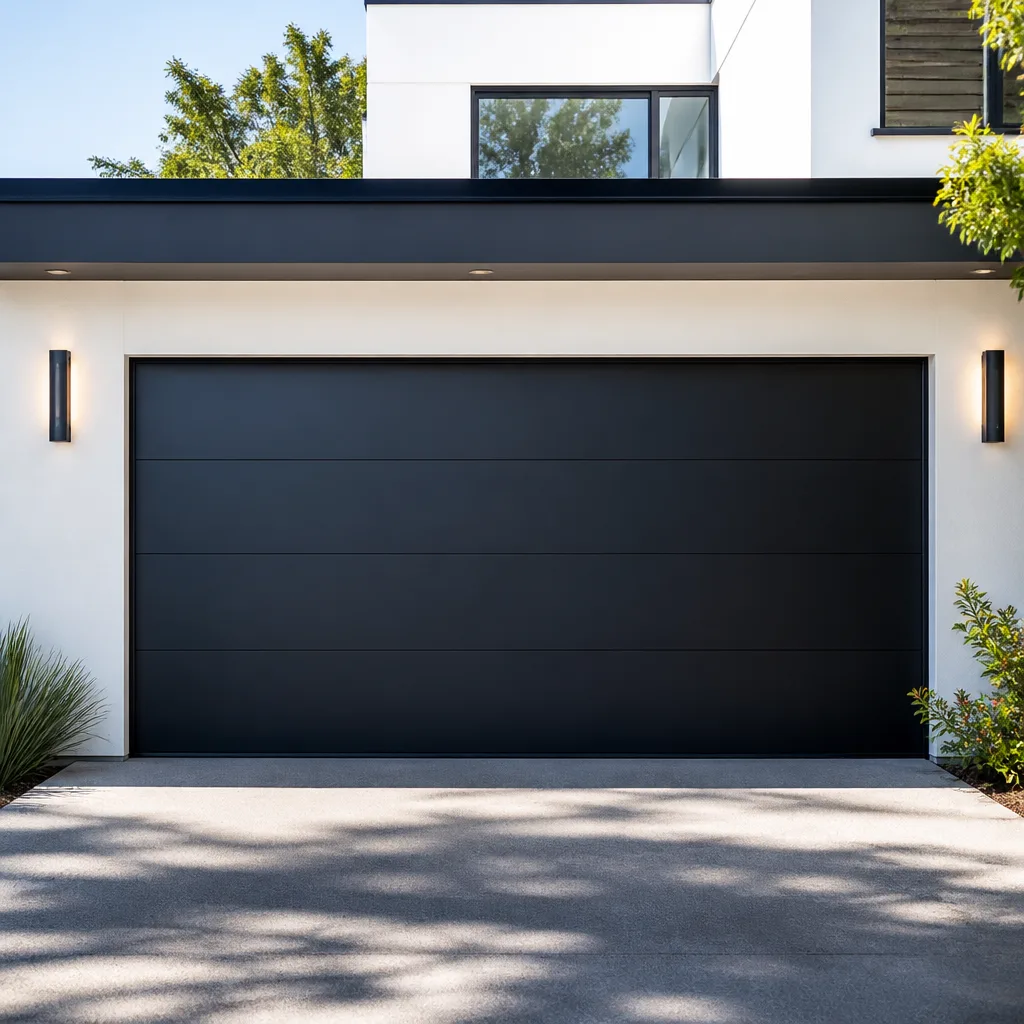 Modern flush
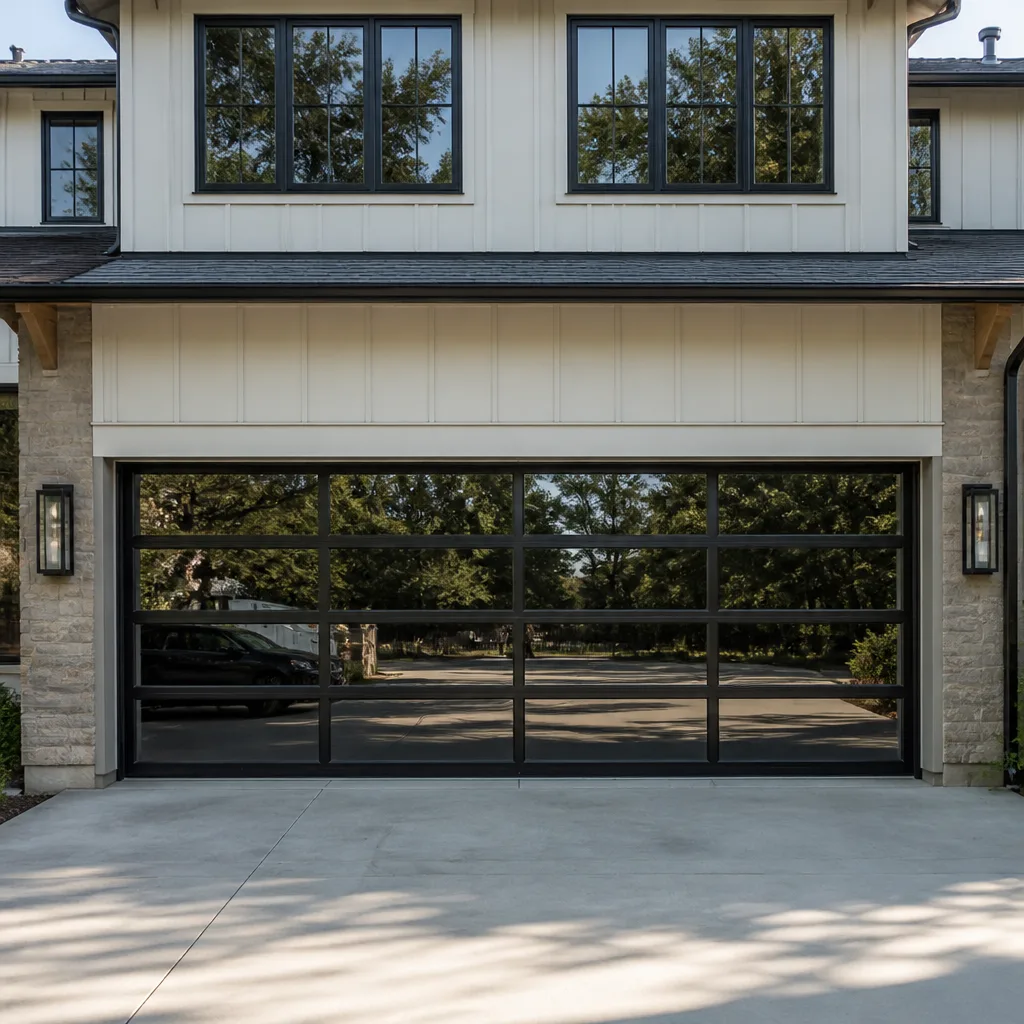 Full-view glass
 LiftMaster openers
 Chamberlain openers
Full 25-point door and opener safety check with every visit - springs, cables, rollers, tracks, and your LiftMaster or Chamberlain opener included
You get a price before we start. It does not change when the pro arrives.
Get your free estimateGarage Door Repair Troubleshooting in Chicago Lawn: Common Problems and How to Fix Them
The door that “just stopped working” overnight almost never failed overnight. It was broadcasting a warning for weeks – a rattle on the way up, a pause before it reversed, a handle that suddenly felt heavier – and nobody knew how to read it. That’s the real gap in most troubleshooting advice: people wait for a total failure, then guess at the most visible part. In this guide we’ll map symptoms to root causes the way a technician actually diagnoses them at the door in Chicago Lawn, walk through a balance test you can do in five minutes, and show you which failures mean stop everything and which can wait for a scheduled visit.
Quick Answer
Most garage door problems in Chicago Lawn fall into five mechanical categories: spring failure, cable failure, track and roller wear, opener and sensor faults, or seal and weatherstripping damage. A visual inspection plus one manual balance test will tell you which category you’re in. Spring and cable failures are always a call to a trained professional; a misaligned sensor or a noisy roller is often a simpler fix.
Styles & brands we work with
- Raised-panel steel
- Carriage house
- Modern flush
- Full-view glass
- LiftMaster openers
- Chamberlain openers
Table of Contents
- The Five Systems That Fail
- The Symptom-to-Cause Diagnostic Tree
- The Balance Test: Pass or Fail
- Why Freeze-Thaw in Chicago Lawn Hits Tracks and Seals
- Spring Failures vs. Cable Failures
- Component Interaction: Rollers That Mimic Bad Tracks
- Stop-Everything-Now vs. Schedule-It Signals
- Which Fixes Are DIY and Which Are Not
The Five Systems That Fail
Every garage door – whether it’s a Clopay steel panel door on a bungalow or a Wayne Dalton on a newer build in Chicago Lawn – is really five mechanical systems working together. Troubleshooting only gets fast when you know which one is talking.
- The spring system. Torsion springs on the shaft above the door, or extension springs along the horizontal tracks, carry most of the door’s weight. When one fails, the opener is suddenly pulling the entire door by itself.
- The cable system. Cables run from the bottom corners up to drums or pulleys. They need to stay under even tension. A cable that jumps a drum or frays changes the whole geometry of the lift.
- The track and roller system. Vertical and horizontal tracks guide the rollers. Nylon or steel rollers wear, flatten, or lose their bearings, and the door starts to drag.
- The opener and safety system. Motor, drive (chain, belt, or screw), logic board, wall control, and the two photo-eye sensors at the floor. Genie and Craftsman units have their own quirks here.
- The seals and weatherstripping. Bottom seal, side jambs, and top seal. These take the brunt of weather and are the first thing homeowners notice when the garage gets cold or drafty.
When a door fails in Chicago Lawn, it’s usually one of these five – and only rarely two at once. A technician’s first job is to isolate which system is failing before touching anything. That’s the difference between a same-visit fix and a return trip.
The Symptom-to-Cause Diagnostic Tree
Here’s the actual sequence a technician walks through. You can do most of this yourself without tools beyond your eyes and hands.
- Look at the door from outside. Is it crooked – one side down, one side up? That points to a spring, cable, or one side’s track. A door that sits level but won’t move points to the opener.
- Listen to the opener. If the motor hums but nothing moves, or clicks and reverses, the opener is running but something is blocking the lift – often a spring, sometimes a bound track.
- Check the photo-eye sensors. Look for the small LED on each sensor at the base of the tracks. One glowing steady and one flickering or dark means a misalignment or obstruction, not a mechanical problem.
- Disconnect the opener. Pull the red emergency release handle (with the door closed and no one underneath). If it doesn’t lift smoothly by hand, the problem is mechanical. If it moves fine, the problem is in the opener.
- Do the balance test. Detail below. This is the single most useful check you can run.
That’s the whole tree in plain terms: visual check, listen, sensor check, manual disconnect, balance test. Ninety percent of the time one step narrows it down to a single system. The other ten percent needs an on-site look and that’s where garage door repair becomes the sensible call.
The Balance Test: Pass or Fail
The balance test tells you whether the spring system is still doing its job. It takes about two minutes and answers most of the “should I call someone?” questions we hear in Chicago Lawn.
- Close the door fully and pull the red release handle to disconnect the opener.
- Lift the door by hand to about waist height.
- Release it gently and step back.
- Watch what the door does.
A door that passes stays roughly where you left it – maybe drifts an inch or two, but it holds. The springs are still supporting its weight and the opener isn’t fighting anything.
A door that fails will do one of two things: it slams back down hard, or it feels dangerously heavy on the way up and drops the moment you let go. That’s a spring that has lost tension or already broken on one side. A door that goes the other way – rising on its own, not staying put – has springs that are overtensioned or a cable that has jumped. Either failure is a spring-system call. Don’t keep cycling the opener while it’s in this state. It’s the fastest way to burn out the motor or snap the remaining spring.
If the door passes the balance test but still acts up, you’ve just ruled out the springs and saved yourself a diagnostic visit. The problem is in the opener, sensors, or rollers, which narrows things considerably.
Why Freeze-Thaw in Chicago Lawn Hits Tracks and Seals
Chicago Lawn sits through real winters, and the freeze-thaw cycle here creates a specific class of garage door problem that troubleshooting guides written for warm climates simply miss. Water gets into the gaps around the door during the day, refreezes overnight, and expands. Repeat that a few dozen times over a season and things that were snug in October are loose or warped by February.
The most common Chicago Lawn freeze-thaw failures:
- Bottom seal failure. The rubber or vinyl seal stiffens with cold. Cracks form along the fold line, then water gets behind it and freezes against the door’s bottom panel. You’ll notice a draft, snow blowing in under the door, or the door not seating fully when closed.
- Track misalignment at the jamb. The vertical tracks are anchored into the framing. When moisture freezes behind the trim, it can push the track slightly out of plumb. The door then binds on one side as it rises.
- Roller binding. Cold stiffens the grease in worn rollers. A roller that was passable in summer becomes a hard-drag point in a Chicago Lawn January.
- Panel warping at the edges. Steel panels with marginal insulation and a failed seal can warp at the bottom edge where the cold and moisture concentrate. A Clopay or Amarr door with a good seal holds up much better than one that’s been running dry for a few seasons.
A door that “hangs up” every January and magically works in April is telling you the seal or a roller is the problem, not the opener. The fix is seasonal, not permanent. Same door in a Sun Belt climate wouldn’t show this at all.
Spring Failures vs. Cable Failures
These are the two most confused failures, and getting them wrong is expensive. Here’s how to tell them apart with a visual check.
A spring looks like a heavy coil. A torsion spring is the horizontal coil on the shaft above the door. An extension spring runs alongside the horizontal tracks. A broken torsion spring shows an obvious gap in the coil – usually a clean snap about a third of the way along. A broken extension spring is even more obvious: the spring has separated and the door hangs slack on that side.
A cable is a braided steel line. Cables run from the bottom corner brackets up to the drums or pulleys. A cable failure looks like a loose, kinked, or frayed line hanging off its drum, or the door sitting noticeably crooked while the springs look intact.
The tell: springs fail with a bang, cables fail with a bang followed by a crooked door. A broken spring leaves the door straight but heavy. A jumped cable usually leaves the door visibly off-level. Both are safety calls. Springs are under extreme tension, and cables are the only thing keeping them from releasing that energy uncontrolled. There is no safe DIY fix for either one. This is exactly the work our technicians handle as a core service, and it’s why spring repair is the technical line that separates a garage door specialist from a handyman.
If you’re not sure which one you’re looking at, disconnecting nothing and lifting nothing is the right move. Just leave the door down and call.
Component Interaction: Rollers That Mimic Bad Tracks
This is the trap that wastes the most money in garage door repair, and it’s worth spelling out. A worn roller and a bent track produce almost identical symptoms: the door judders on the way up, drags on one side, or makes a grinding noise at a specific point in its travel. Homeowners diagnose “bent track” and replace the track. The juddering comes back. The track was never the problem.
How to tell them apart:
- Look at the roller, not the track. A good roller spins freely by hand and has a round nylon or steel wheel. A worn roller has a flat spot, wobbles on its stem, or grinds as it spins. Check all of them at the hinges, not just the visible ones at the top.
- Look for a single point of failure. A bent track causes a problem at the same spot every time. A bad roller usually causes a problem at any point and gets worse the further it travels.
- Push on the track. A bent track will show a visible kink or bow. If the track is straight and the door still drags, the rollers are the suspects.
Why this matters in Chicago Lawn specifically: rollers wear faster in cold weather and after a winter of seal leaks. A $4 roller looks exactly like a $300 track problem until you put your hand on it. Replacing the wrong part doesn’t just cost money – it hides the real problem, and the door keeps grinding through the next set of rollers. We’ve seen plenty of doors where a roller swap would have solved everything and the last repair had gone after the track instead.
Stop-Everything-Now vs. Schedule-It Signals
Not every problem is an emergency, and telling them apart matters. Here’s how we sort them.
Stop using the door immediately and call today:
- Any broken spring, either torsion or extension.
- Any cable that is loose, frayed, kinked, or off its drum.
- The door hanging visibly crooked or off its tracks.
- The door not closing fully and not meeting the floor seal – a security gap, not just a draft.
- The opener running with a loud grinding or banging noise and the door sticking.
Schedule a repair visit – the door is still operable:
- Noisy operation (rattle, shudder, grind) without binding.
- Opener reversing intermittently or refusing some cycles.
- Bottom seal cracking or losing contact with the floor.
- One roller visibly worn and the door still moving smoothly.
- Remote or wall control needing to be held down.
The dividing line is simple: if a spring or cable is involved, or the door is off-level, stop. Everything else can be scheduled. If you’re on the fence, call and describe what you’re seeing. We can usually tell from a two-minute conversation which category you’re in, and that saves you a visit if it’s nothing.
Which Fixes Are DIY and Which Are Not
We get steady questions from Do-It-Yourself-curious homeowners in Chicago Lawn who want to save a service call. Some jobs are genuinely a good fit for that. Others aren’t close.
Reasonable to handle yourself with basic tools and a ladder:
- Clearing an obstruction in front of the photo-eye sensors.
- Re-aligning a sensor that has been knocked out of line.
- Wiping down and lubricating the tracks and hinges with a proper garage door lubricant (not WD-40 – it’s a solvent, not a lubricant).
- Cleaning out debris and salt residue along the bottom seal.
- Replacing the battery in a remote (Genie, Craftsman, and LiftMaster walk you through the pairing process in their manuals).
Not DIY, no matter how many videos you watch:
- Anything involving a torsion or extension spring.
- Cable replacement, adjustment, or re-seating on a drum.
- Track replacement or realignment where the door is off-level.
- Opener logic board or motor replacement.
- Any job where the door has come off its tracks or is hanging crooked.
The spring and cable jobs carry real injury risk. Torsion springs hold hundreds of pounds of stored energy, and one wrong move releases all of it at once. A trained technician uses winding bars, proper technique, and an understanding of what tension looks like at each stage. There’s no shortcut that’s worth the risk.
Common Mistakes to Avoid
- Greasing the tracks. Garage door tracks should be clean and dry, not lubricated. Grease attracts dust and grit, which turns into an abrasive paste that grinds the rollers flat. Clean the tracks, oil the rollers and hinges.
- Replacing the opener first. A door that won’t lift usually has a mechanical problem, not an opener problem. Replacing the opener when the spring has failed means the new opener now lifts a door with no spring assist – and burns out. Diagnose the mechanical side first.
- Assuming a bent track when it’s a roller. We covered this above, but it’s the most common misdiagnosis in Chicago Lawn. Check the rollers before you touch the track.
- Ignoring the bottom seal every winter. A cracked seal lets water freeze against the door edge and warp the bottom panel. Replacing an $80 seal keeps a $1,200 panel out of trouble. In Chicago Lawn this is the single most overlooked seasonal maintenance item.
- Cranking up the opener’s force setting to compensate. If the door is binding or the springs are weak, turning up the opener’s force adjustment just masks the problem and shortens the opener’s life. The door should move smoothly by hand before the opener is re-engaged.
- Trying to “just wind it a little” on a torsion spring. There’s no safe way to adjust torsion springs without proper winding bars and training. The stored energy in an overtensioned spring is enough to break bones if released uncontrolled.
- Waiting until the door won’t close to call. A door that closes but won’t seal against the floor is letting in water, snow, and pests all winter. Small fixes left alone become larger Chicago Lawn repair calls in February.
See the difference
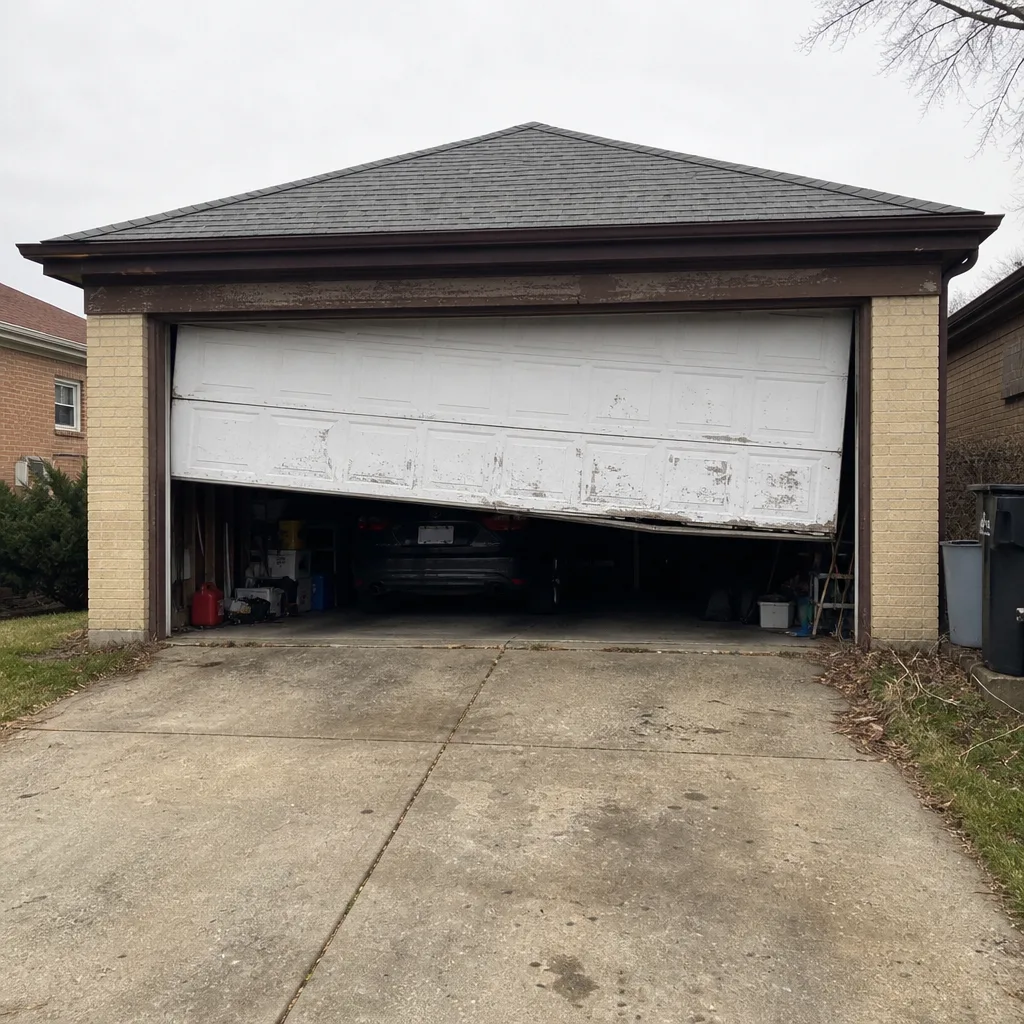 Before
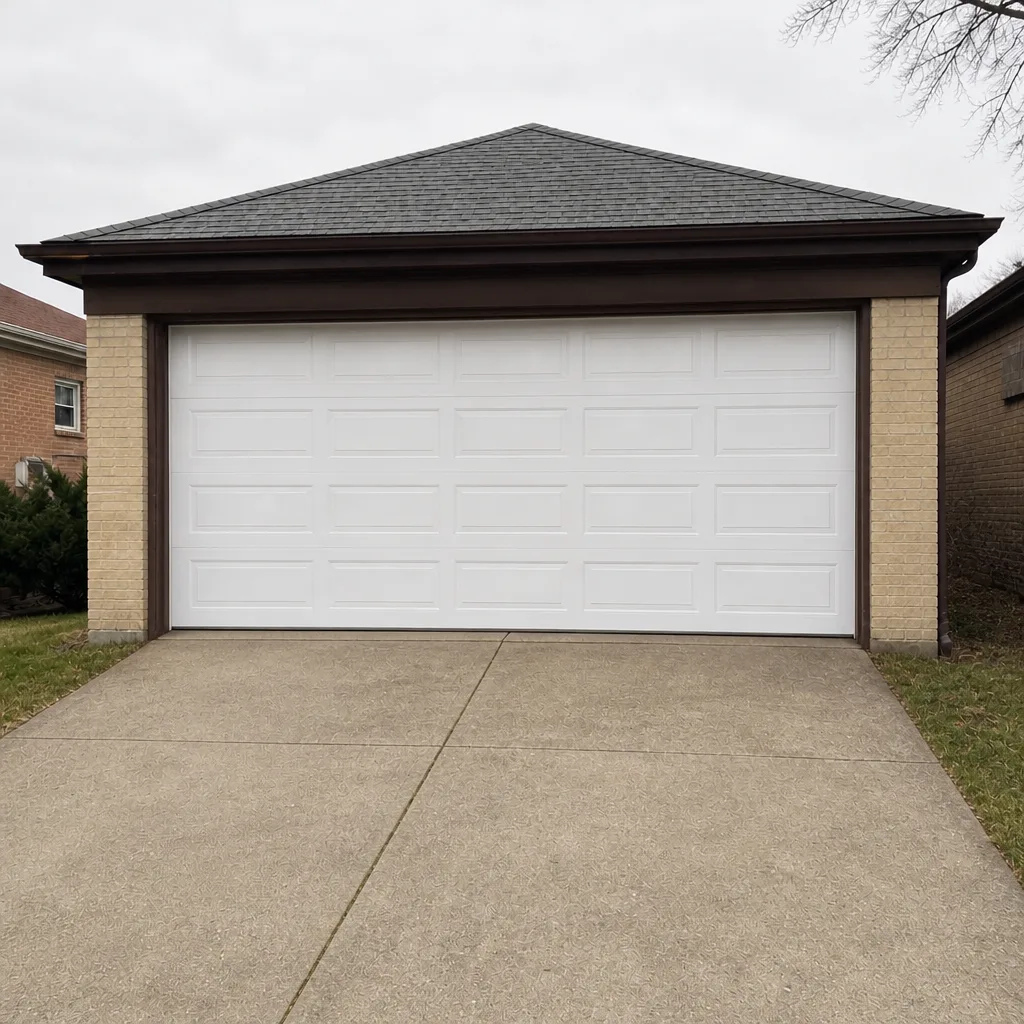 After
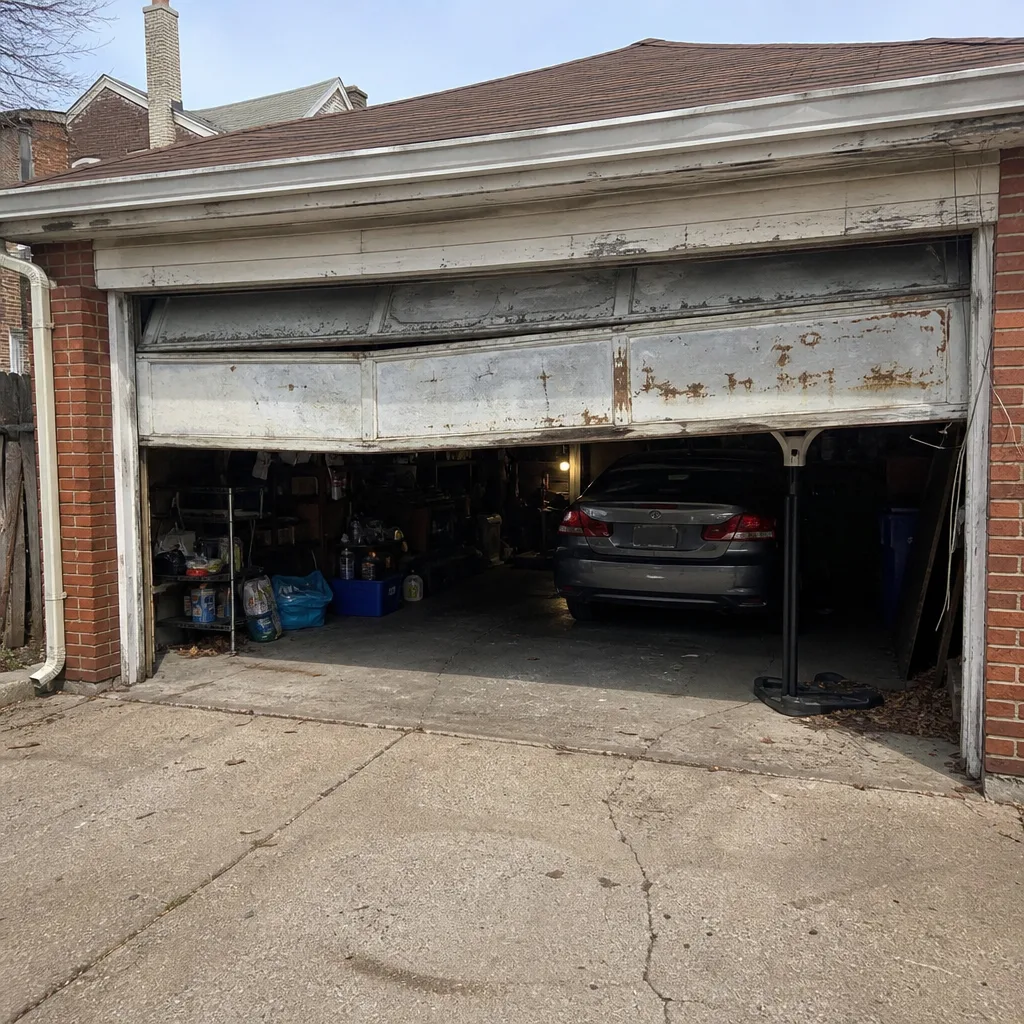 Before
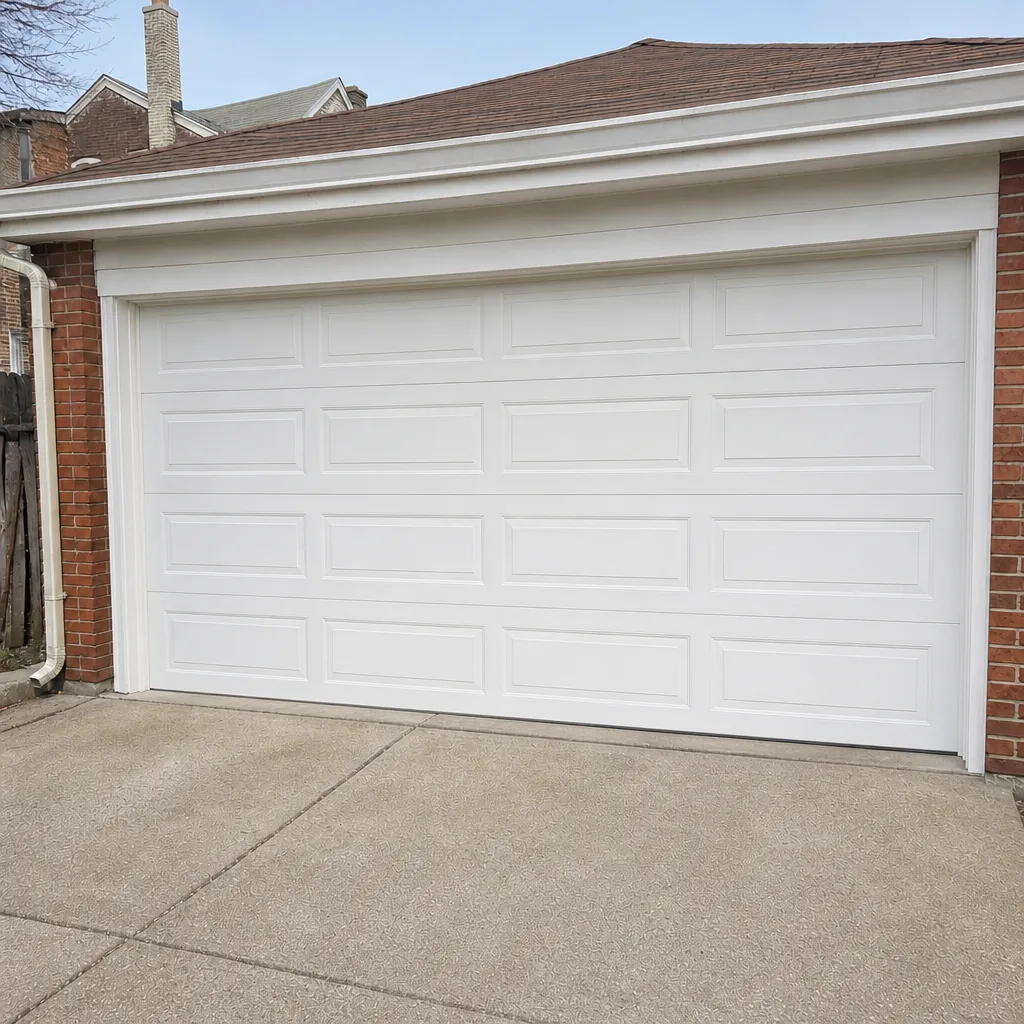 After
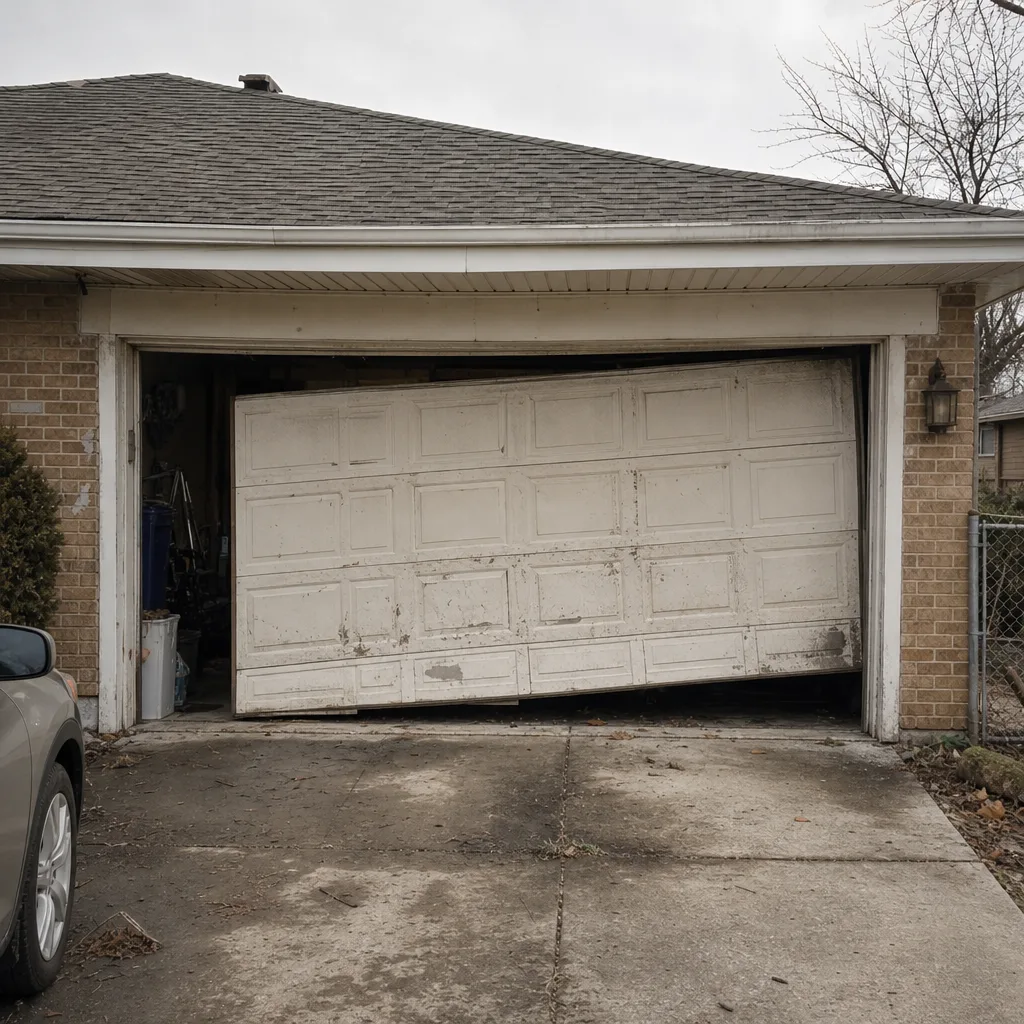 Before
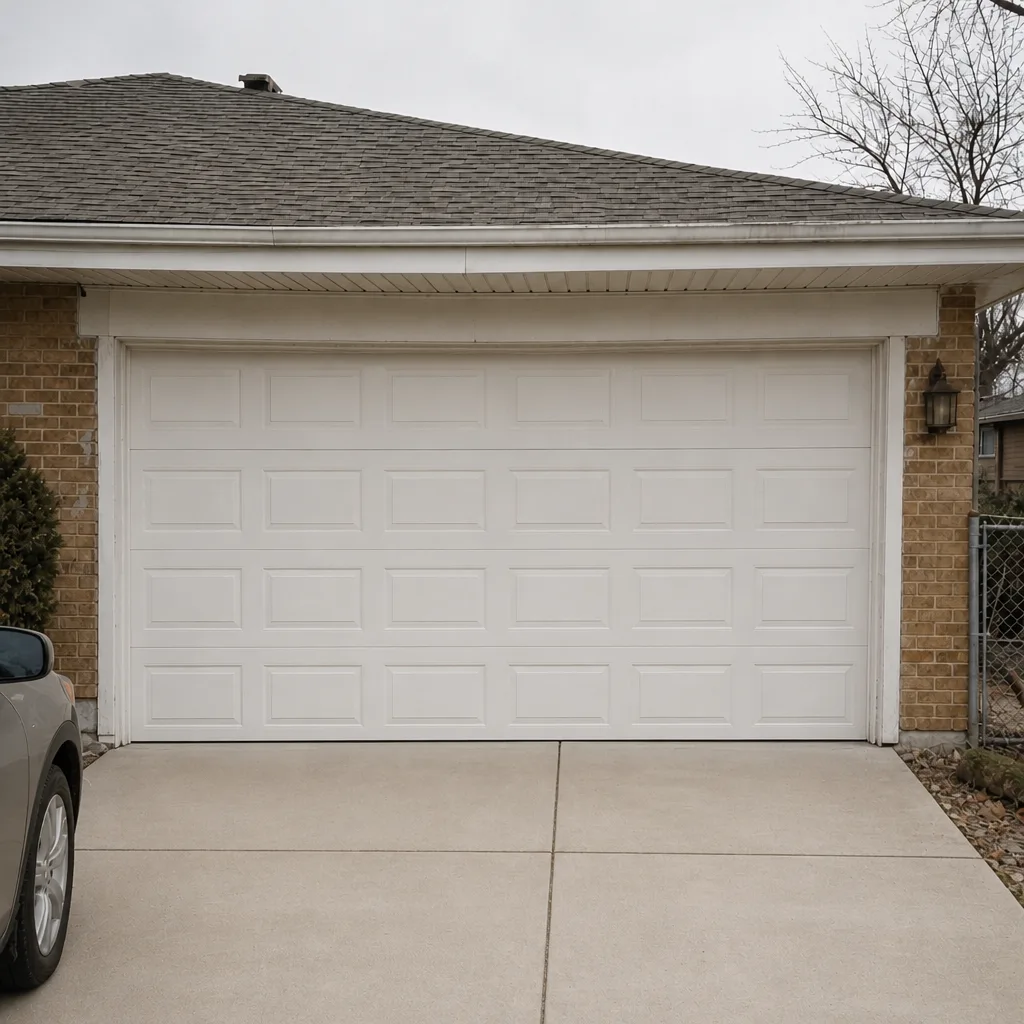 After
When to Call a Professional
Call a trained professional whenever a spring, cable, or track is involved – those jobs carry real injury risk and require proper tools and technique. Call us as well if the door is off-level, hanging, or has come off its tracks, or if the opener is cycling with grinding or banging noises it didn’t used to make. Opener logic board failures, remote pairing problems that don’t clear with a fresh battery, and any sound the door didn’t make last week are worth a diagnostic visit. Garage Door Repair Chicago Lawn offers free estimates in Chicago Lawn – call (855) 658-4150. We work on Genie, Clopay, Amarr, Wayne Dalton, LiftMaster, Chamberlain, Craftsman, and Raynor systems, so we know what your door is supposed to sound and feel like – and what it’s telling you when it doesn’t.
Frequently Asked Questions
A broken torsion spring shows a visible gap in the coil above the door; a broken extension spring is separated and the door hangs slack on one side. If the springs look intact but the door sits crooked, suspect a cable. If the springs and cables both look fine but the door is heavy and won’t stay up, do the balance test – a failing balance test confirms spring-system trouble even with no visible break. Call (855) 658-4150 for an exact diagnosis – estimates are free.
Freeze-thaw cycles are the answer. Water gets into the gaps around the door, refreezes overnight, and expands, which cracks the bottom seal, pushes tracks slightly out of plumb, and stiffens the grease in worn rollers. A door that hangs in January and works by April is telling you the seal, a roller, or a track alignment is the problem – not the opener. Fixing it in fall is worth more than fixing it in February.
The balance test checks whether the springs are still carrying the door’s weight. Pull the emergency release, lift the door to waist height, and release it gently. A door that stays put or drifts an inch or two passes. A door that slams down or feels dangerously heavy fails, which means the springs need attention and you shouldn’t use the door. Call us for an exact quote before any work starts – (855) 658-4150.
You can clean the tracks and lubricate the hinges and rollers, but don’t grease the tracks themselves. Grease on tracks collects grit and grinds the rollers flat. Use a proper garage door lubricant on hinges, rollers, and the spring coil – not WD-40. If the noise persists after that, a worn roller or a binding point is the cause, and that needs a technician’s eyes. Call (855) 658-4150 for an exact quote – estimates are free.
Typical estimates in the Chicago Lawn market run roughly $150-$350 for a single-spring repair, $60-$180 for a sensor or opener adjustment, and $100-$250 for a roller or track realignment. A matched pair of springs usually runs about twice a single spring. These are estimates only – your written quote is the price, and it’s agreed before any work starts. Call (855) 658-4150 for an exact quote – estimates are free.
Your quote is set before any work starts, and that written quote is the final price for the agreed scope. If we find something additional during the visit that would change the work, we tell you before we touch it and you decide whether to proceed. Nobody should be surprised by the invoice after the door is fixed, and that’s a fair standard for any Chicago Lawn garage door call.
The Bottom Line
Garage door troubleshooting comes down to reading the symptom before you reach for a part. Visual inspection plus the balance test will sort most failures into one of the five systems: spring, cable, track and roller, opener and sensors, or seal. Springs and cables are professional-only, and so is anything that leaves the door off-level. Rollers and sensors are often simpler. In Chicago Lawn specifically, watch the seal and rollers every winter – freeze-thaw will find those first. If your door is talking, call (855) 658-4150 and we’ll tell you what it’s saying. Free estimates, upfront pricing, and the work quoted before it starts.
Written by the team at Garage Door Repair Chicago Lawn.