Last updated November 21, 2026
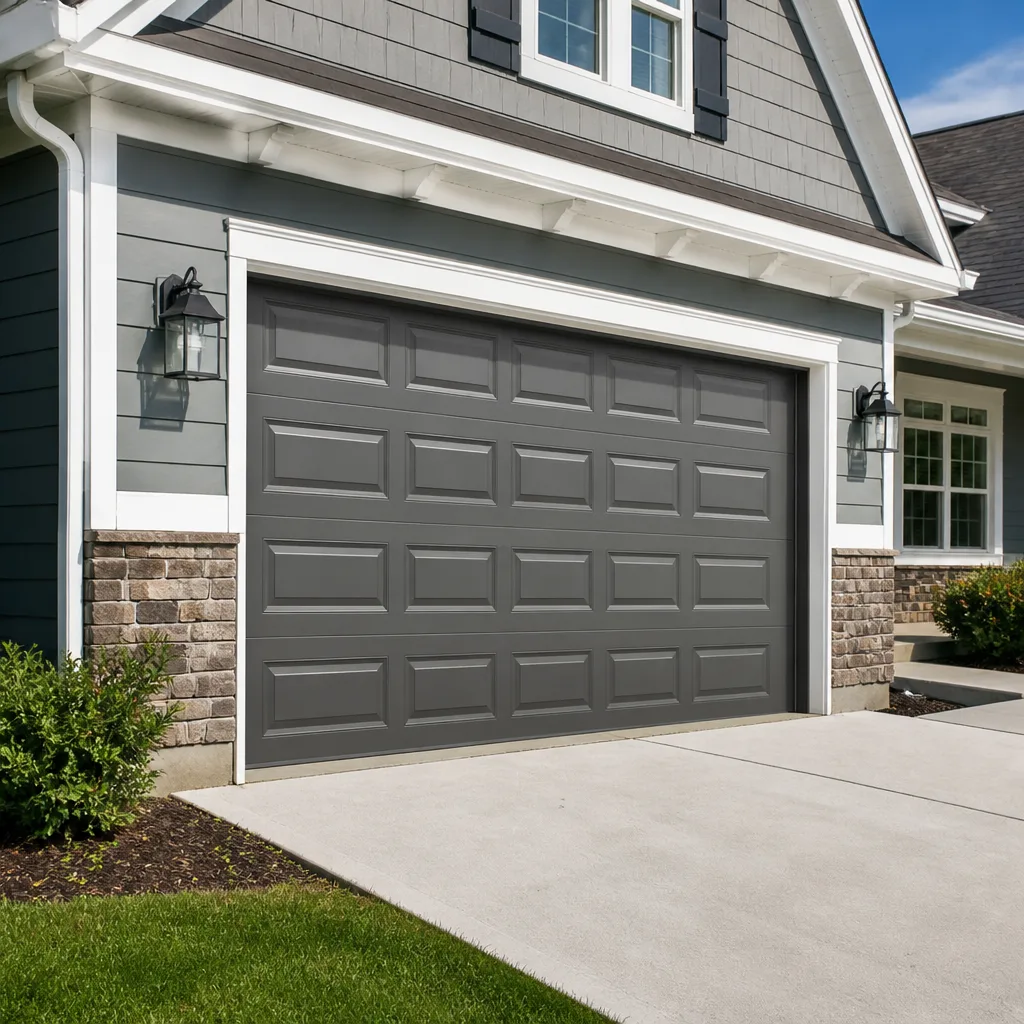 Raised-panel steel
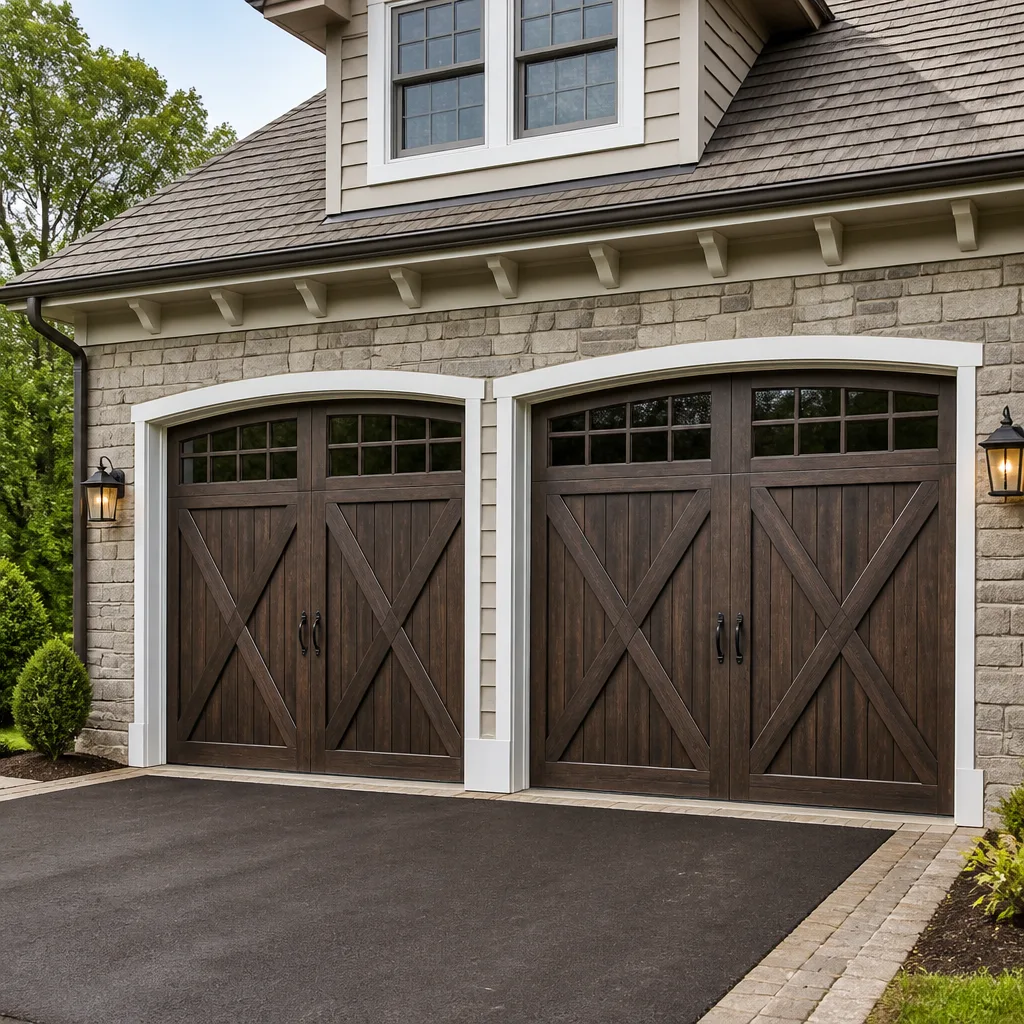 Carriage house
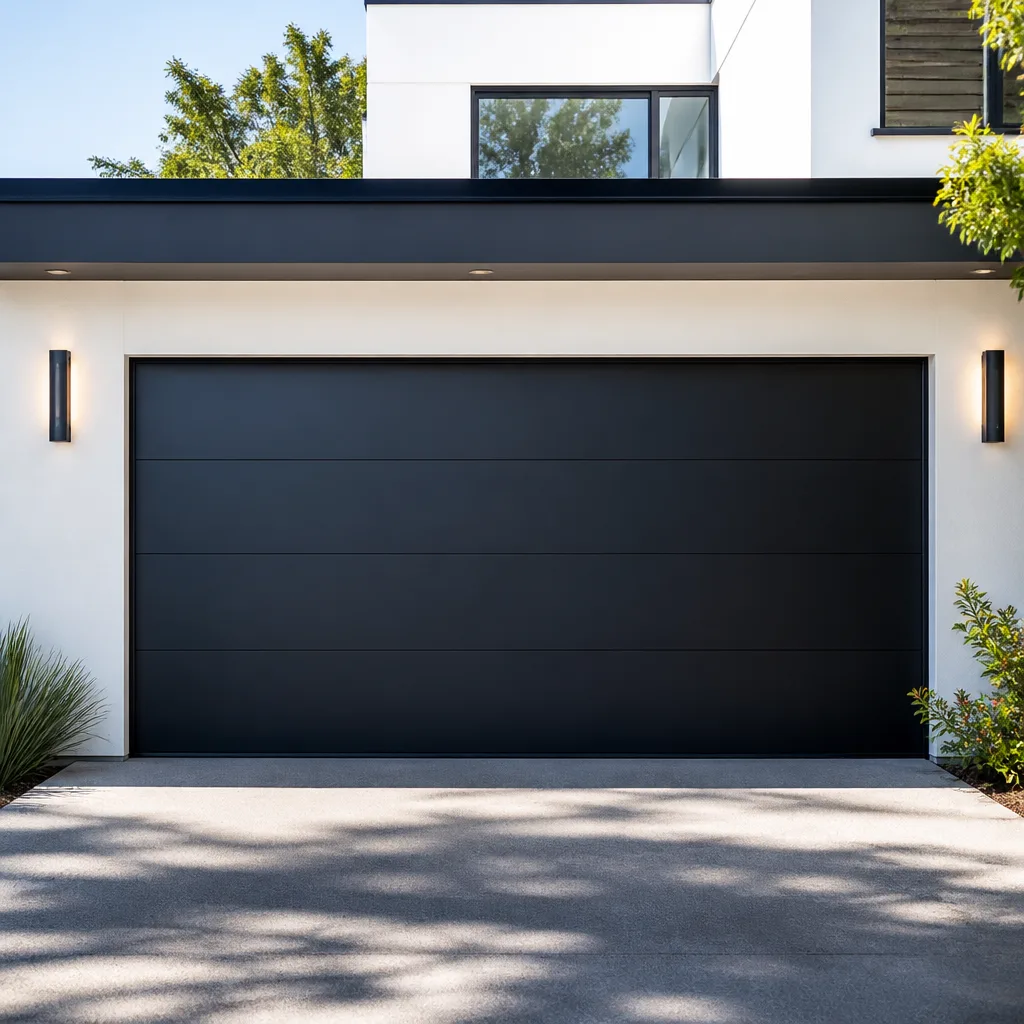 Modern flush
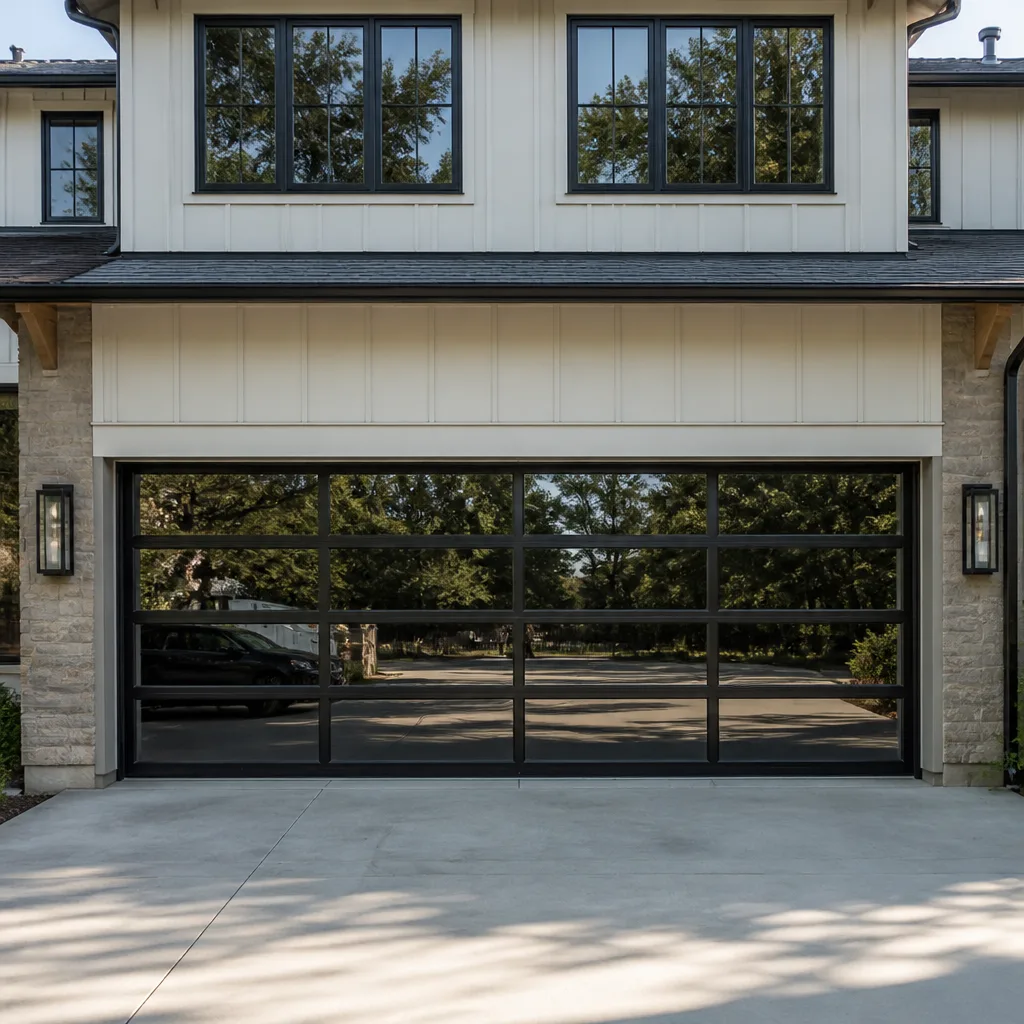 Full-view glass
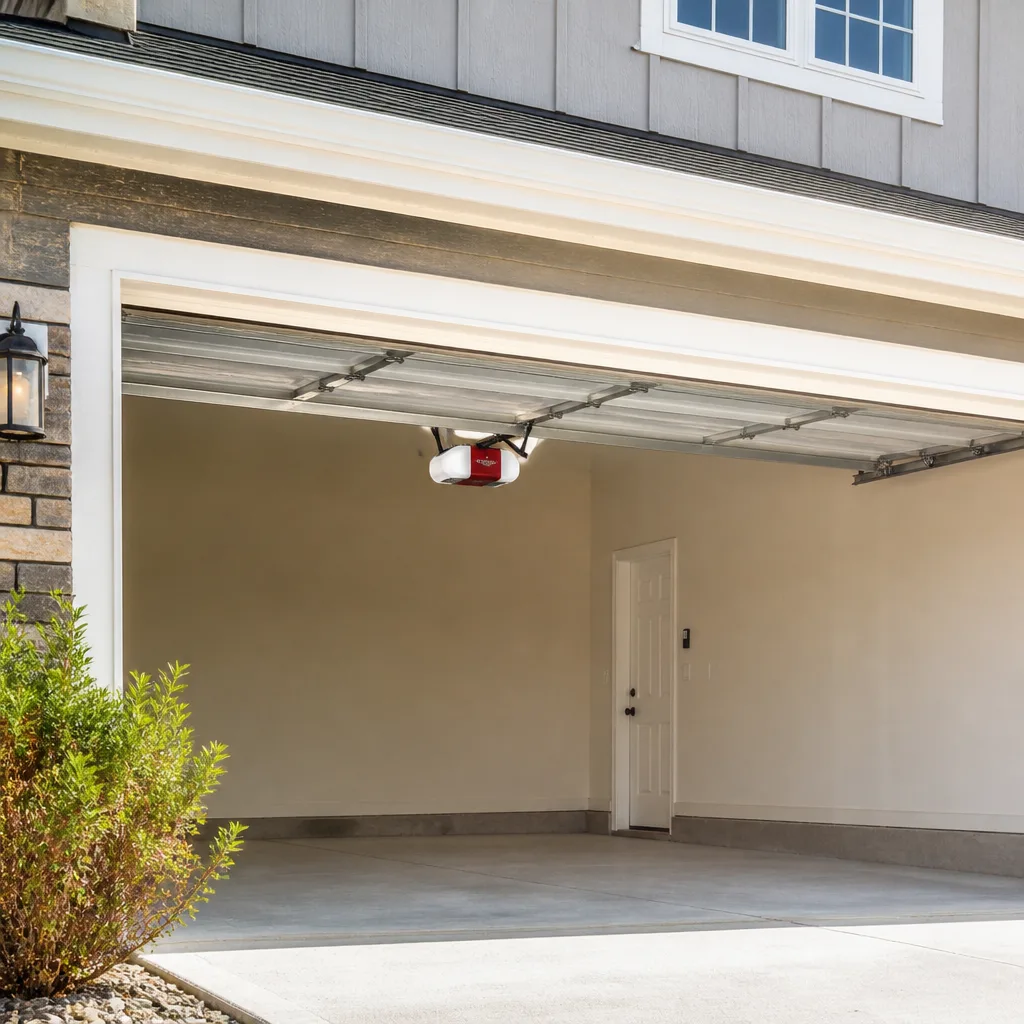 LiftMaster openers
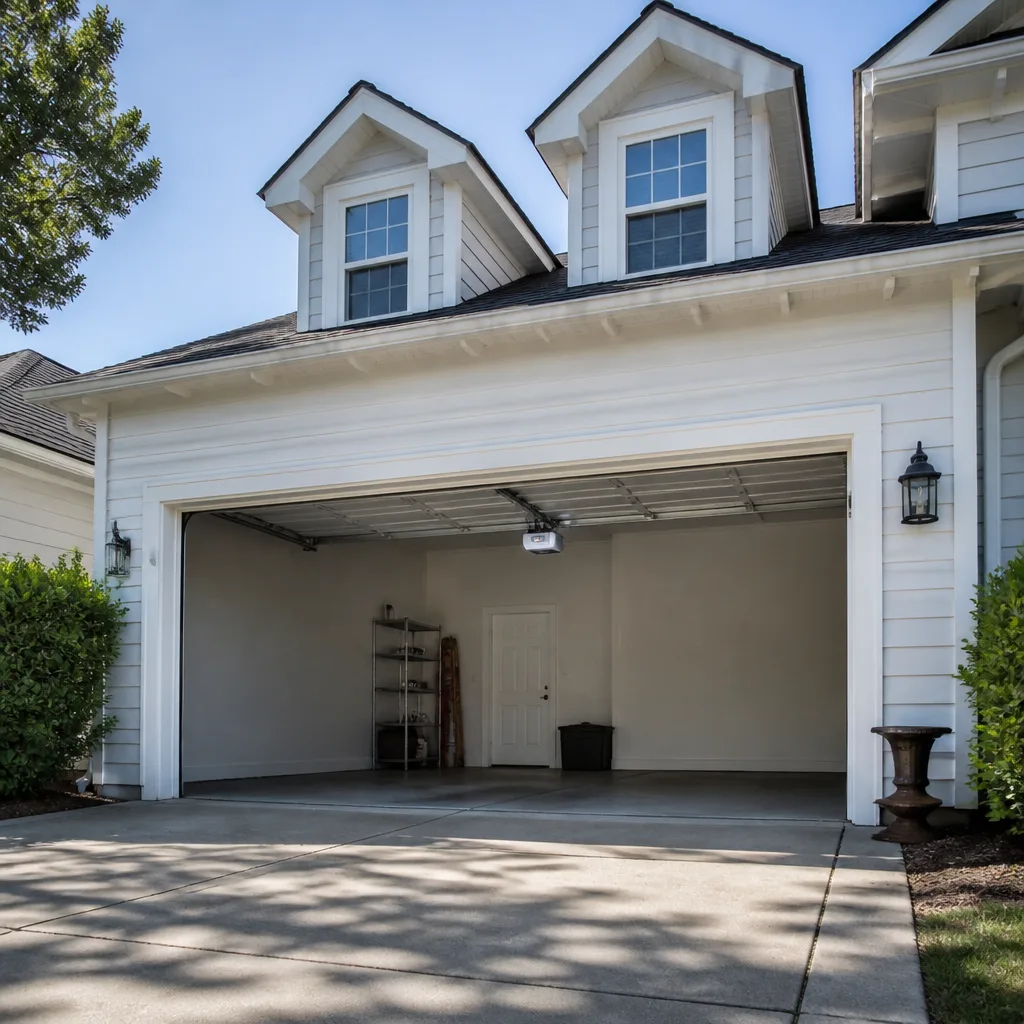 Chamberlain openers
Full 25-point door and opener safety check with every visit - springs, cables, rollers, tracks, and your LiftMaster or Chamberlain opener included
You get a price before we start. It does not change when the pro arrives.
Get your free estimateHow to Hire a Garage Door Contractor in Chicago Lawn: A Step-by-Step Guide
A contractor who installs a garage door or two a month will quote you a standard spring replacement and move on. A specialist walks up, looks at the same door, and notices the cable drum is wearing thin, the opener bracket is pulling away from a soft header, and the bottom bracket has started to separate from the panel. Same door, two very different answers. That gap between a generic handyman and a dedicated garage door professional is what this guide is about. Over the next few minutes we’ll walk through the exact questions to ask, the licensing you should verify in Illinois, how to read a real written estimate, and how Chicago Lawn’s alleys and old housing stock change what “familiar with the door” actually means. Fewer callbacks, no surprise invoices.
Quick Answer
To hire a garage door contractor in Chicago Lawn, confirm they specialize in garage doors rather than treating them as a side service, verify they’re licensed as Illinois requires, and get a written estimate that lists each component (springs, cable drums, bearings, brackets), the brand and part numbers, and separate line items for parts and labor. A genuine specialist can answer five technical questions in seconds, knows the major brands on sight, and knows how Chicago Lawn’s alley-facing and low-clearance garages change the job. Price matters, but a specialist avoids the callback that cheap bids create.
Styles & brands we work with
- Raised-panel steel
- Carriage house
- Modern flush
- Full-view glass
- LiftMaster openers
- Chamberlain openers
Table of Contents
- Specialist vs. Generalist: Why It Matters for Your Door
- The Five Technical Questions Every Contractor Should Answer
- Illinois Licensing: What to Verify Before Anyone Touches a Spring
- Red Flags in a Garage Door Quote
- Alley Garages and Chicago Lawn Configurations
- What a Legitimate Warranty Looks Like
- Parts, Brands, and Same-Visit Repairs
- How to Choose a Contractor: Step-by-Step
Specialist vs. Generalist: Why It Matters for Your Door
A garage door looks simple from the curb. It’s a torsion spring, a torsion bar, a set of cables, two or more drums, hinges, rollers, a bottom bracket, and a track system, all balanced to a door that might weigh anywhere from under a hundred pounds for a light single panel to several hundred for a double with insulation. Getting the balance wrong by a fraction of a turn can wear out a bearing in a season or leave a door that slams closed. Generalists can often handle an opener adjustment and a new set of rollers. But that same generalist is the one telling you the spring “needs replacing” without checking whether the cable stretched or the drum is shot.
That’s the diagnostic problem. A specialist is looking for the wear that surrounds the broken part, and a generalist is looking to swap one part and get to the next job. In Chicago Lawn, we see a lot of requests for a fast spring fix on doors that also need a bracket tightened or a drum replaced. Doing the spring only means the customer calls back within a few weeks for the next part in the chain. Full-cycle service is why we handle spring repair, cable and bracket work, opener repair, and installation under the same roof: it means diagnostics aren’t limited by what a generalist feels comfortable touching. When we send out a quote, it covers what the door actually needs, not just what’s visible first.
Our technicians have up to 12 years of experience, and most of that is spent on the same ten or twelve failure patterns on the same handful of brands. That’s a different kind of speed than an “all trades” handyman who reads the manual on the way over.
The Five Technical Questions Every Contractor Should Answer
Here’s a genuine test you can run over the phone in under two minutes. These aren’t gotcha questions. They’re the ones a person who works on doors all day answers without a pause, and the ones a generalist stumbles on or tries to talk their way around. Ask all five before you book an appointment.
- “What brand of spring is on my door, and is it a torsion or extension setup?” A specialist knows the difference on sight, and knows that torsion springs run above the door on a metal bar while extension springs run parallel to the track. A generalist will usually guess.
- “If the spring broke, what else would you inspect before quoting?” The right answer includes cable drums, cables, bearings, the center bracket, the bottom bracket, and the opener bracket. A generic answer of “just the spring” is the red flag.
- “Do you stock lift cables, drums, and bearings on the visit, or are they ordered?” A contractor with a stocked parts operation can turn a two-visit job into one visit. A contractor who orders everything means your door is out of service until the shipment lands.
- “What brand of opener do I have, and is the wall control wired or wireless?” Familiarity with LiftMaster, Chamberlain, and Genie systems matters, and a Raynor door with an older traveler opener is a different job than a modern belt-drive. If they can’t name the family, they don’t know the door.
- “Will you test the door’s balance and check the force settings before you leave?” This is the follow-up step. A specialist runs the door by hand to check balance and tests the safety reverse before packing up. A rush job skips both.
Notice these aren’t about price. They’re about whether the person you hire knows the equipment. If the answers feel rehearsed or vague, that’s your signal to make another call. The plumber who “also does garage doors” very often is the one who answers all five with the same shrug.
Illinois Licensing: What to Verify Before Anyone Touches a Spring
Illinois has no single statewide garage door contractor license, but that doesn’t mean anyone with a truck and a toolbox is legitimate. The state requires a home repair and remodeling contractor to be licensed by the Illinois Department of Financial and Professional Regulation (IDFPR) if they’re doing home repair work over a certain dollar threshold. That license, or a local registration, is the minimum. Ask for the license number and the name it’s registered to, and verify it on the IDFPR lookup before anyone is scheduled. If a contractor can’t produce it, you’re talking to someone uninsured or underinsured.
Cook County and the City of Chicago add their own layers. Chicago requires a city-issued general contractor license for a lot of residential work. Garage doors often fall into a home-repair classification, but the best way to know what applies to your specific address in Chicago Lawn is to call the city’s Department of Buildings or the 311 line before you sign anything. Permits are not always required for a spring swap, but a full door replacement commonly needs one. If a contractor says “we don’t need permits for that” without asking your address, ask them to explain which category they’re filing under. Anyone experienced on Chicago Lawn jobs will say “it depends on the scope” before they say “no permit needed.”
Then there’s insurance. Ask for a certificate of general liability insurance and a workers’ compensation certificate, and confirm both are active. This isn’t paranoia. A torsion spring under load carries serious stored energy, and the technician working on it should be covered. A spring that lets go under the wrong hands can break a wrist or worse. No written certificate, no appointment. That’s the rule we’d want any homeowner to follow.
Red Flags in a Garage Door Quote
Vague quotes are the single most common problem in this trade. Walk through a written estimate and look for these specific warning signs.
- “Parts and labor” as a single line item. A real quote lists springs, cable drums, brackets, bearings, and any opener parts separately, with brand and part number where it matters. If it says “spring replacement, $450,” ask which spring, which gauge, how many, and whether that includes a matched pair.
- One price for “a spring.” A torsion setup typically has two springs, and replacing both at once is usually the correct call even when only one has failed, since they’re installed together and wear at the same rate. A quote for one spring at a “pair” price is padding. A quote for a pair of springs should be roughly twice the single-spring cost, not the same number with a labor surcharge.
- No written estimate at all. A quote on a napkin or a text message isn’t a quote. Ask for a written estimate before any work begins. The price on that paper is the price you should pay. If it says “starting at,” ask them to nail down the ceiling.
- “We don’t need to see the door, we know the problem.” Spring work is diagnostic. If the contractor hasn’t inspected the drums, cables, and brackets, the quote is a guess. Guesses turn into change orders once the door is up on the ladder.
- No business address or license number on the estimate. A legitimate contractor puts their business name, license number, phone number, and written terms on the estimate. Someone who won’t give that is protecting themselves, not you.
- Pressure to decide on the spot. A real written estimate gives you time to read it and compare. If someone tries to close the job with a discount that expires before you’ve had a coffee, that’s not a contractor, that’s a closer.
- Cash only. Legitimate contractors take checks and cards. Cash-only is a strong signal you’re not getting any paper trail, which kills your warranty claim later.
None of these are rare. In our experience on Chicago Lawn jobs, the vague-quote contractor is the same person who calls an opener failure “the board,” replaces it, and misses the wall control that’s actually cutting the signal.
Alley Garages and Chicago Lawn Configurations
Chicago Lawn is a neighborhood built around alleys, and that has real consequences for a garage door. A standard suburban door opens onto a wide driveway with clearance on all sides. Plenty of Chicago Lawn garages sit at the end of a narrow alley with an angled approach, low clearance at the top of the opening, and an opener bracket anchored to a wall that was never meant to hold it. A contractor who works mostly suburban new-builds will quote a standard door and run into trouble on install day.
Here’s what a local specialist thinks about before quoting a Chicago Lawn job:
- Low-headroom setups. A lot of alley garages have a shallow header or a tight ceiling, which may need a low-clearance track or a different torsion mounting. Standard track installs can bottom out.
- Alley approach angles. A door that opens toward a narrow alley needs a bit more clearance for the opener’s travel. If the door’s bottom section swings into your neighbor’s airspace, that’s a design problem, not a spring problem.
- Older framing. Chicago Lawn’s housing stock spans a lot of eras, and some garages have walls that were never framed for a modern opener bracket. A specialist inspects the header and the anchor points before installing an opener. A generalist bolts to whatever’s there and leaves.
- Panel sizes. Alley garages are often single-car, and the door dimensions vary more than the standard suburban double. Measuring on-site matters, even if you’ve sent a photo.
- Weather and road exposure. Chicago’s seasonal freeze-thaw cycles work on steel panels and wood frames alike. Spring and cable wear tends to accelerate through a cold winter and a hot summer. A local tech knows to check the drums and bearings, not just the spring, on a door that’s seen ten Chicago winters.
When a contractor quotes your Chicago Lawn door, ask what’s different about the install compared to a suburban setup. The answer tells you whether they’ve actually worked on this kind of building.
What a Legitimate Warranty Looks Like
A spring that fails within the manufacturer’s stated life is a warranty claim. A spring installed in a way that fails early is a workmanship issue. Those are different problems with different warranties, and any real written estimate spells out both. If the warranty section is missing, or it just says “one year” with no further detail, that’s a sign the contractor hasn’t thought about it.
Look for the following on any written estimate:
- Separate manufacturer and labor warranty lines. The manufacturer typically warranties the part itself for a stated period – often one to several years on a quality spring, sometimes longer. The contractor warranties their labor – the install, alignment, and adjustment – for a shorter period, typically a matter of months. Both periods should be listed separately and in writing.
- What’s covered and what isn’t. A manufacturer warranty usually doesn’t cover labor to replace the part. A labor warranty usually doesn’t cover a second spring that fails months later on a different schedule. Ask the technician to explain the difference before work begins.
- Whether the warranty transfers. Some manufacturers transfer coverage to a new owner if the home sells. Some don’t. Ask if that matters to you.
- Whether the opener has a separate warranty. Opener manufacturers often offer warranties that are much longer than labor warranties on the install. Ask whether the factory warranty applies through a third-party installer or only through an authorized dealer.
- Whether the quote includes a warranty registration. A good contractor helps you register the product so the manufacturer knows it’s installed. Without registration, a warranty claim can get complicated.
The written estimate is the contract. Read the warranty line as carefully as you read the price.
Parts, Brands, and Same-Visit Repairs
One of the quiet frustrations of a garage door repair is the two-visit problem. The technician diagnoses the issue on day one, orders the part, and comes back a week or two later. Your car sits on the street, your opener beeps at your kids, and you’ve paid two diagnostic visits for one job. Contractors who stock parts get the job done in one visit. The difference between a one-visit repair and a two-visit repair comes down to whether the person you hired keeps common parts on hand or orders everything as they go.
Brand familiarity matters here too. A specialist recognizes the difference between a LiftMaster wall control issue, a Chamberlain myQ connectivity problem, a Genie safety sensor misalignment, and a Raynor opener with a dead traveler. They don’t open a manual and start guessing. Our techs are comfortable with the eight brands that dominate residential doors – LiftMaster, Chamberlain, Genie, Clopay, Amarr, Wayne Dalton, Craftsman, and Raynor – which means the moment they see your setup, they already know the quirks. Older Craftsman units from the nineties and modern myQ systems get different diagnostics, and knowing that saves you a second visit.
When you call a contractor, ask the brand question directly: “Do you recognize my door and opener brand, and do you keep the common parts for it?” If the answer is yes across the board, you’re talking to a specialist. For garage door opener repair in particular, brand familiarity is what separates a five-minute fix from an hour of head-scratching.
How to Choose a Contractor: Step-by-Step
Here’s the sequence we’d recommend to any Chicago Lawn homeowner, in order. It’s the same process a specialist runs through on their own door.
- Verify licensing and insurance first. Ask for the Illinois home repair contractor license number and both insurance certificates. Confirm them on the IDFPR website and by calling the insurer directly. No certificate, no appointment.
- Ask the five technical questions. Run through the list above over the phone. A specialist answers in seconds. A generalist stumbles or pivots to scheduling a visit before giving a straight answer.
- Request a free on-site estimate. A written estimate with component-level line items, brand names, part numbers, and separate parts and labor pricing. If they charge for estimates on spring or opener work, ask them to justify it. Expect written estimates to be free from a legitimate contractor.
- Confirm the price before work starts. The number on the written estimate is what you pay. If the technician finds something additional mid-job, they should stop and quote it in writing before proceeding, not mention it after the install is done. Ask what the process is if they find extra wear: do they re-quote or just add it?
- Check the warranty in writing. Manufacturer warranty (parts) and labor warranty as separate lines, with the coverage periods stated on the paper.
- Ask what parts are stocked on the visit. Springs, drums, cables, bearings, and the common opener parts for your brand should ideally be on hand so the visit isn’t a two-trip job.
- Compare quotes on the scope, not the price. A cheaper quote that lists “parts and labor” without specifics, or doesn’t separate parts and labor, is the quote to ignore. The higher quote with real line items is the one that survives a callback.
- Book and confirm. When you book, ask for a scheduled window and the name of the brand the technician will focus on. If they can’t tell you which brand they’d be inspecting, you’re back at step two.
For installation projects, expect the timeline to be measured – usually a scheduled visit after the measurement and the door order – not same-day. For garage door installation, ask for a written quote after an on-site measure, not a phone estimate based on a photo.
Common Mistakes to Avoid
- Choosing on price alone. A cheap quote often omits the parts that a real job needs (new bearings, a drum, a bracket). You pay the difference in a callback and a second diagnostic visit. Compare on scope.
- Hiring a generalist who “also does garage doors.” Diagnostics on a torsion door are a skill. A generalist will swap a spring and miss the drum. A specialist checks the chain of parts.
- Not verifying Illinois licensing. The state license is public record. Anyone operating legally has a number. Anyone without one isn’t on the hook for whatever goes wrong.
- Accepting a quote with no part numbers. “Standard spring” and “heavy-duty spring” are not specifications. Ask for the brand, gauge, and number of cycles, or walk.
- Skipping the balance and safety test. A door that runs up and down is not the same as a door that’s balanced and has a working safety reverse. Insist that both are tested before the technician leaves.
- Paying before the warranty paperwork is in hand. Don’t hand over a check on a spring job with no written warranty line. The document is your only leverage if the part fails early.
- Assuming “one spring” is one spring. On a torsion door, both springs wear together. Replacing only one is often penny-wise and pound-foolish. Ask for a matched pair quote and a single-spring quote side by side.
See the difference
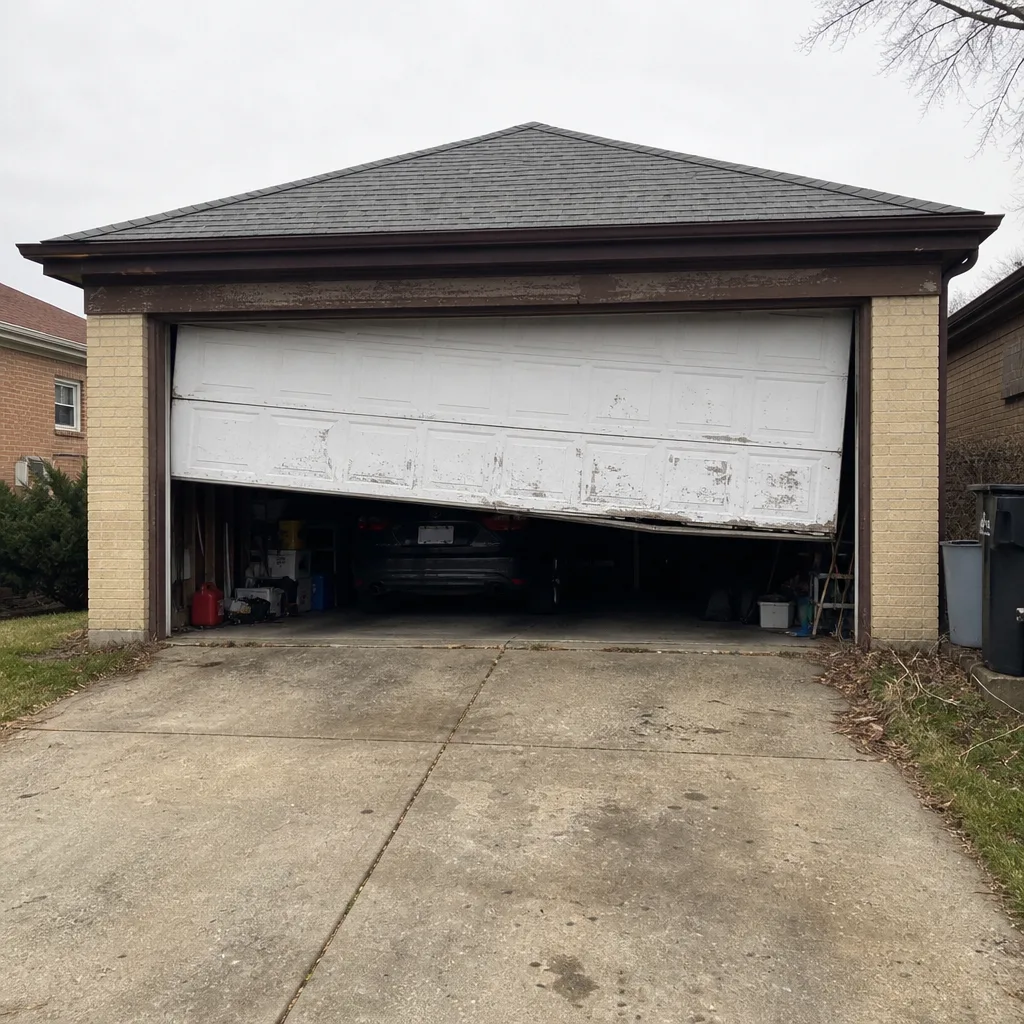 Before
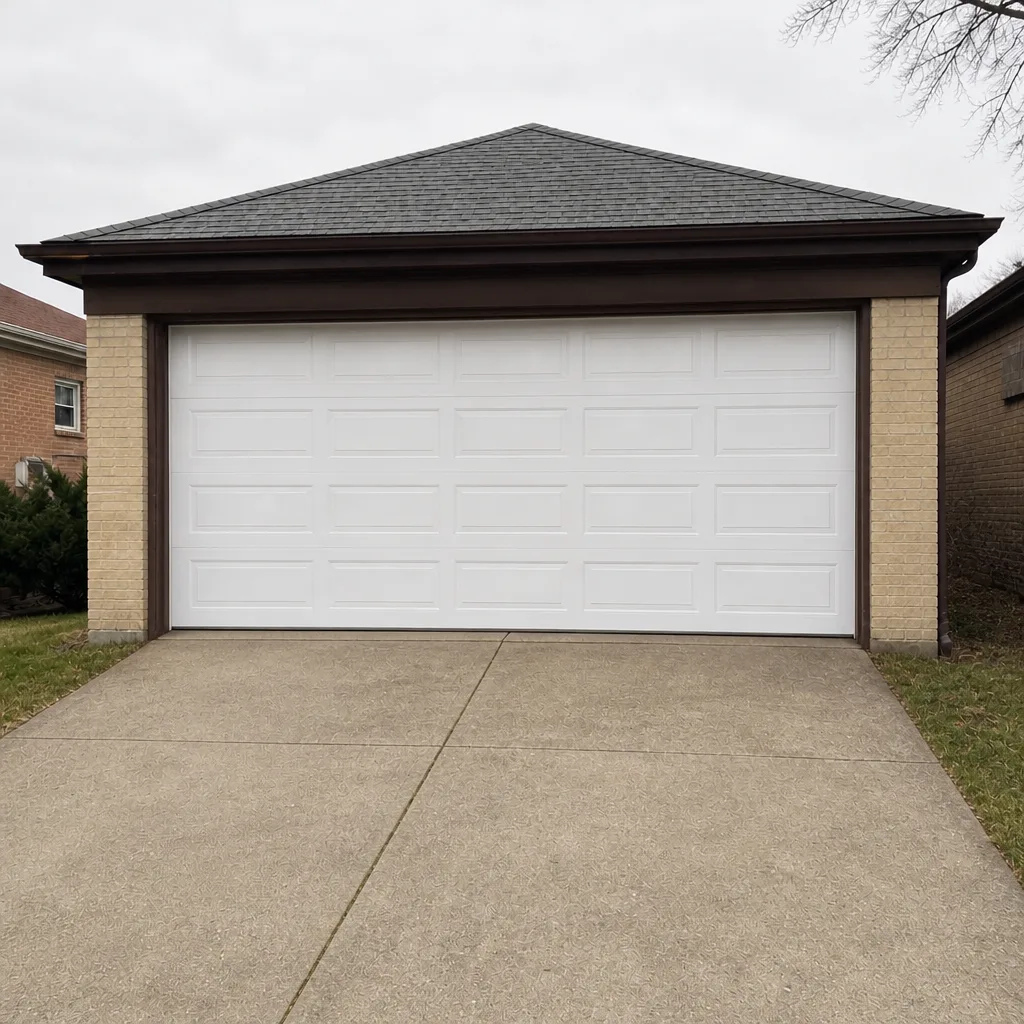 After
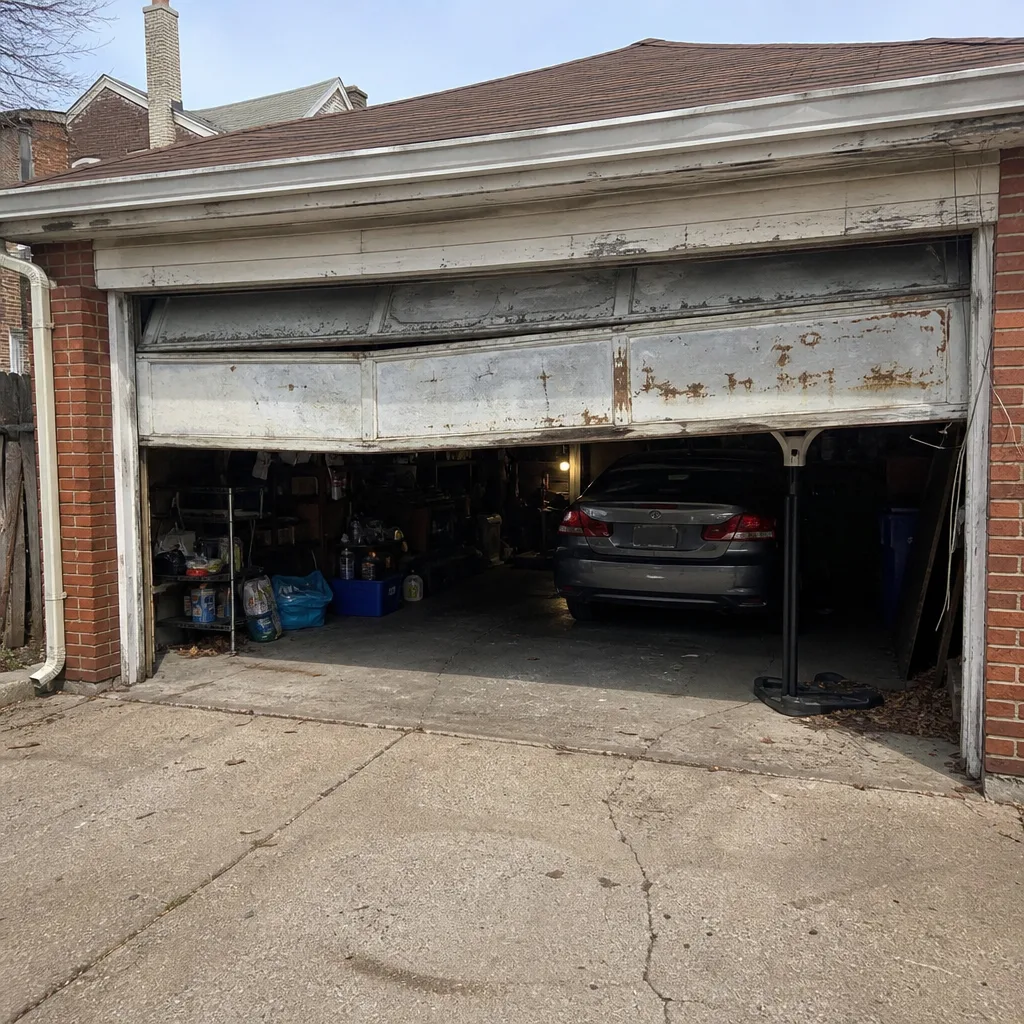 Before
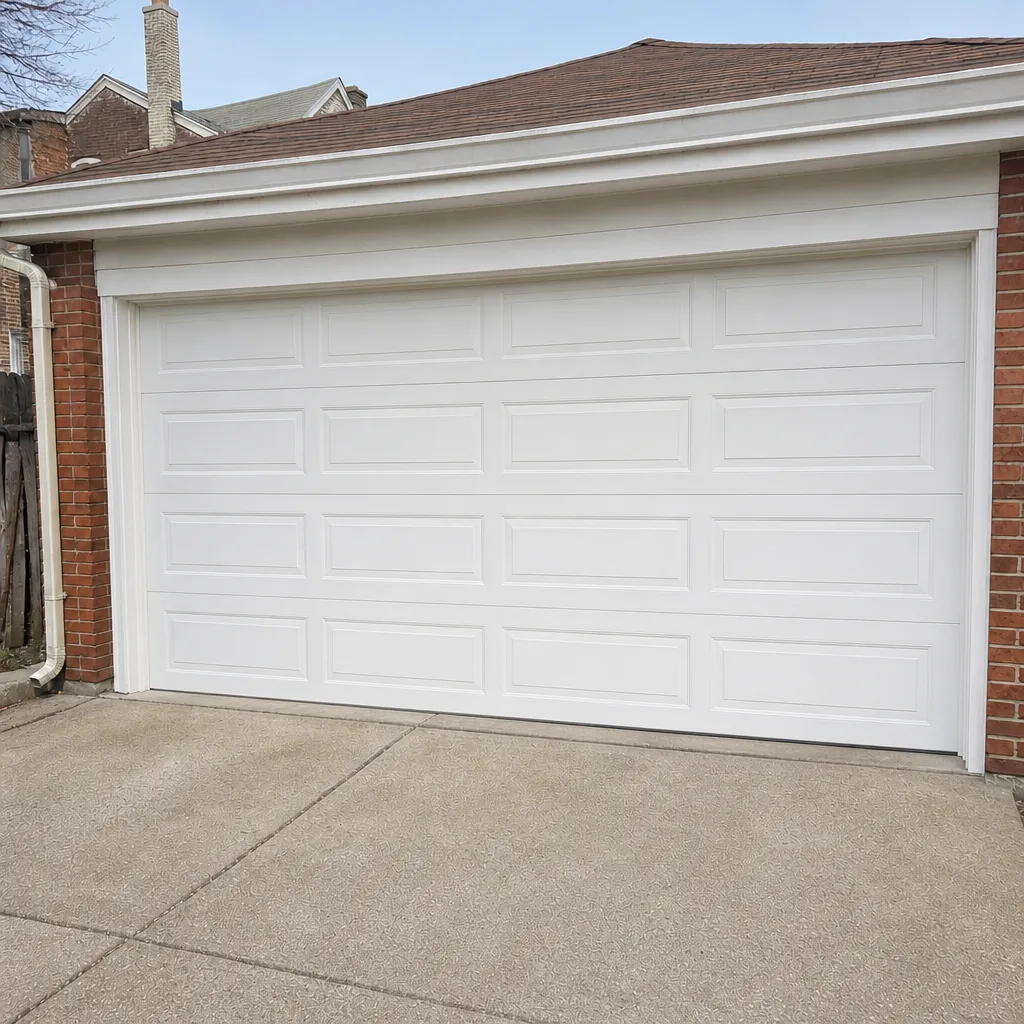 After
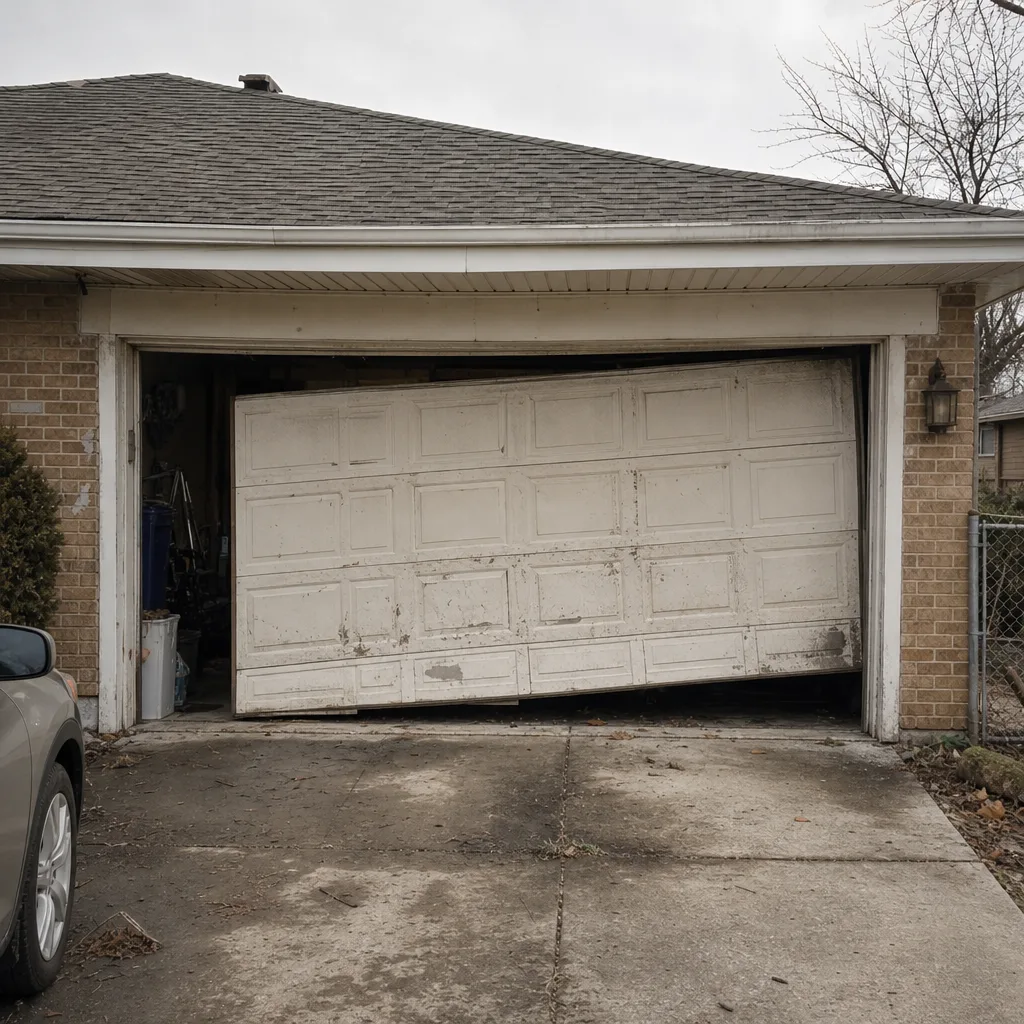 Before
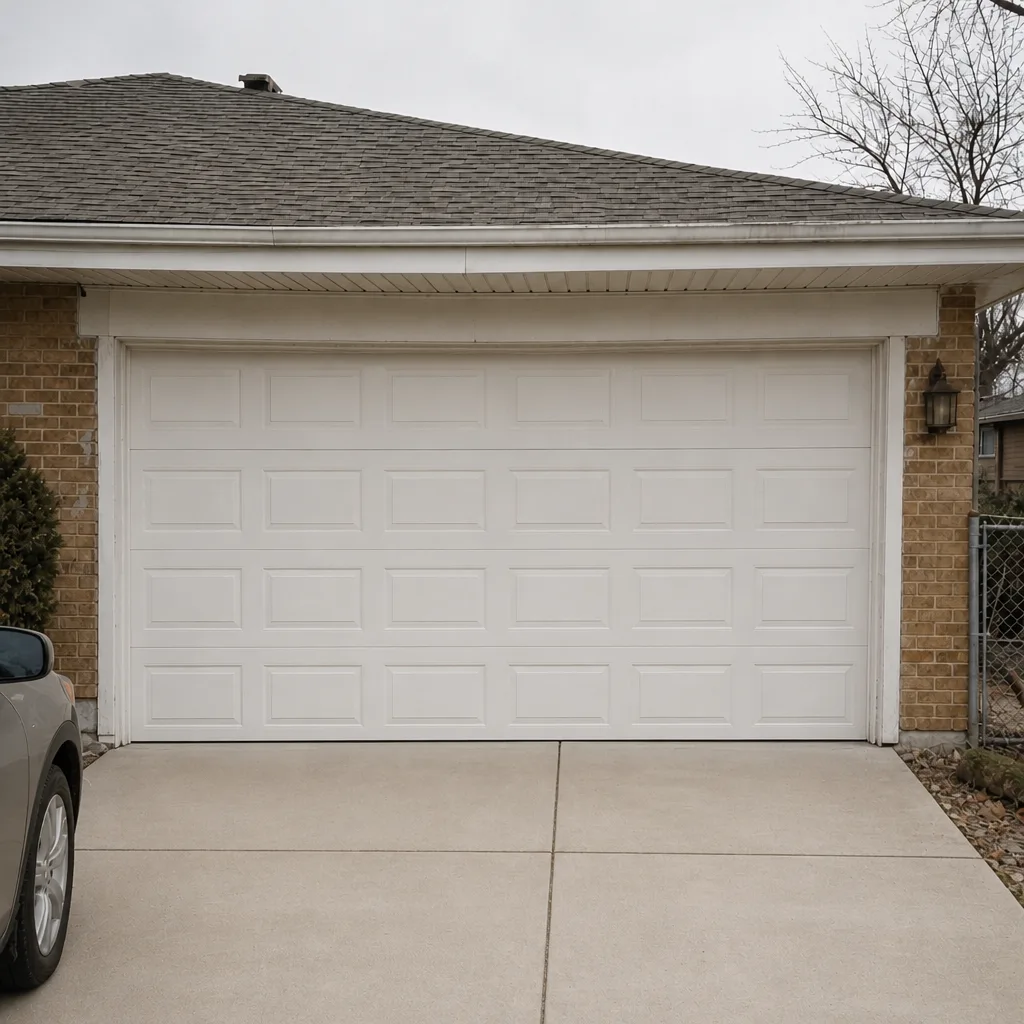 After
When to Call a Professional
Some things are safe to inspect on your own. Spring, cable, and bottom-bracket work is not. The stored energy in a wound torsion spring is enough to break a bone, and there’s no safe way for a homeowner to unload one without the right winding bars, a winding bar safety, and the training to know what “loaded” feels like. If the door comes off the track, the cables are kinked or slack on one side, a spring is visibly broken in two pieces, or the door slams down or pops up unevenly, that’s a callback to a pro. If the opener runs but the door doesn’t move, or if the safety reverse fails the two-inch test (place a two-by-four in the door’s path and close it – the door should reverse), that’s a professional job too. Garage Door Repair Chicago Lawn offers free estimates in Chicago Lawn – call (855) 658-4150. We handle everything from garage door repair and spring work to full installs, and we can walk you through the parts and the brand before we ever schedule a visit.
Frequently Asked Questions
Typical spring repair in Chicago Lawn runs somewhere in the range of a few hundred dollars for a single torsion spring, with a matched pair usually about twice that, since two springs and the matching labor are involved. The exact number depends on the door size, the spring gauge, the number of cycles rated, and whether the drums and cables need to be replaced at the same time. The written estimate sets the final price, and the price on the estimate is what you pay. Call (855) 658-4150 for an exact quote – estimates are free.
Ask for the license number and the registered business name, then confirm both on the Illinois Department of Financial and Professional Regulation website before anyone is scheduled. Illinois does not have a single statewide garage door contractor license, but home repair contractors need an IDFPR license, and Chicago and Cook County add their own registration requirements. Ask for a certificate of general liability insurance and workers’ compensation too, and confirm both directly with the insurer. Call (855) 658-4150 to talk through what to verify – we’re happy to walk you through it.
No. The written estimate is the price. If a technician finds something additional mid-job, the correct process is to stop, explain it, and quote the addition in writing before proceeding. You should never be surprised by a larger invoice than the estimate. If someone quotes you over the phone based on a photo and then tries to bump the price in person, that’s a red flag, not a normal step. Call (855) 658-4150 for a written estimate – the estimate is free.
Spring repair is one of the jobs we schedule quickly because it’s what leaves a car stuck on the street and the garage insecure. Same-day scheduling is often possible on spring and opener work, though timing depends on the day and the route. Installation work is measured, ordered, and scheduled – not same-day. Call (855) 658-4150 and we’ll let you know what’s available.
A specialist diagnoses the whole assembly – spring, drums, cables, bearings, brackets, and the opener – and quotes the chain of wear that caused the failure. A generalist usually quotes the visible broken part. The difference shows up in the callback: the specialist’s repair lasts, because they replaced the adjacent worn parts along with the one that actually failed. Our technicians have up to 12 years of experience working exclusively on garage doors. Call (855) 658-4150 – estimates are free.
Common parts – springs, drums, cables, bearings, and the frequent opener components for the brands we work with – are kept on hand so most repairs finish on the first visit instead of a two-week order cycle. Exotic or older parts may need to be ordered, and we’ll tell you that upfront. Call (855) 658-4150 to ask about your specific brand.
The Bottom Line
Hiring a garage door contractor in Chicago Lawn comes down to four things: verifying licensing and insurance, running the five technical questions, insisting on a written estimate with component-level line items, and confirming the warranty is in writing. A specialist answers fast, quotes the whole assembly, keeps the parts on hand, and puts the numbers on paper. A generalist quotes the visible part, misses the wear next to it, and comes back for a second visit. The price difference between the two is usually much smaller than the cost of a callback. For free estimates in Chicago Lawn and honest diagnostics on the brand you own, call Garage Door Repair Chicago Lawn at (855) 658-4150. Whether you’re chasing a spring repair, a full door replacement, or an opener that’s gone quiet, the first call is the cheapest part of the job.
Written by the team at Garage Door Repair Chicago Lawn.