Last updated November 21, 2026
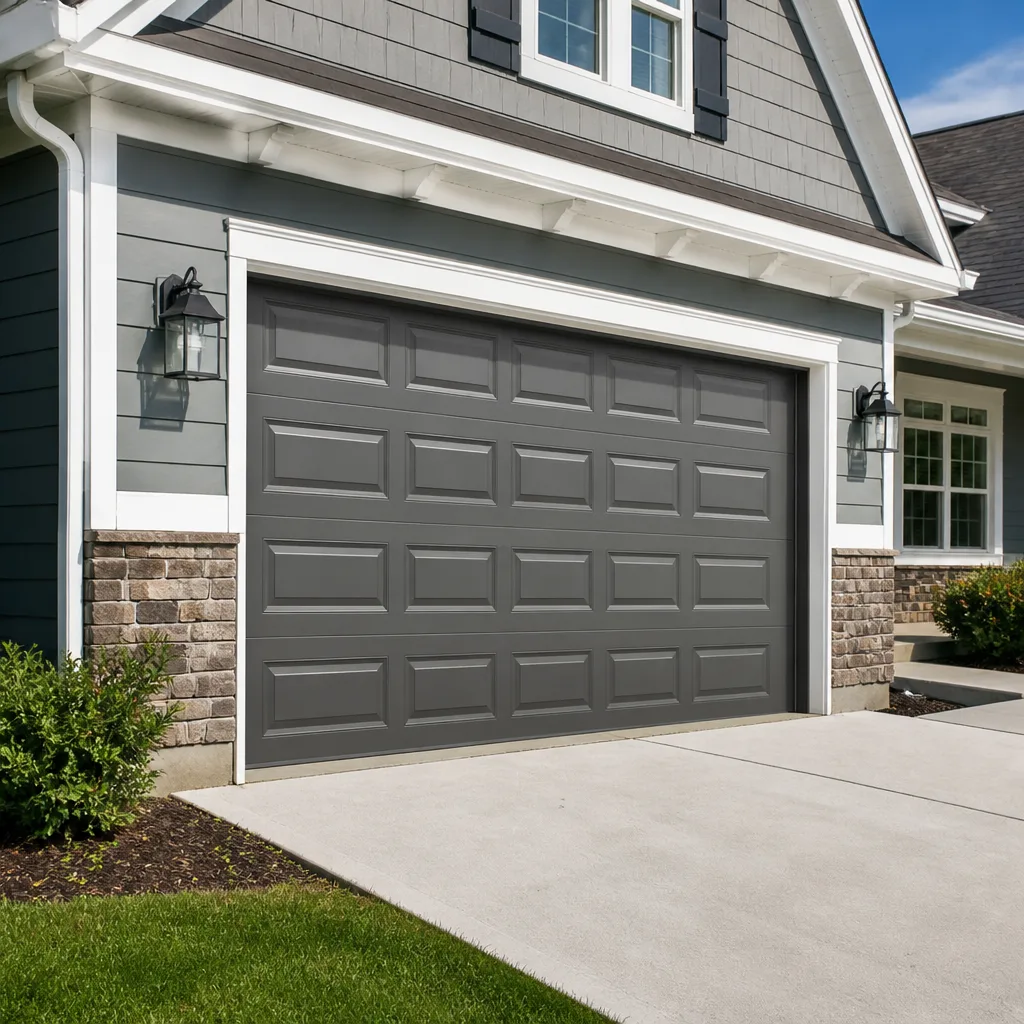 Raised-panel steel
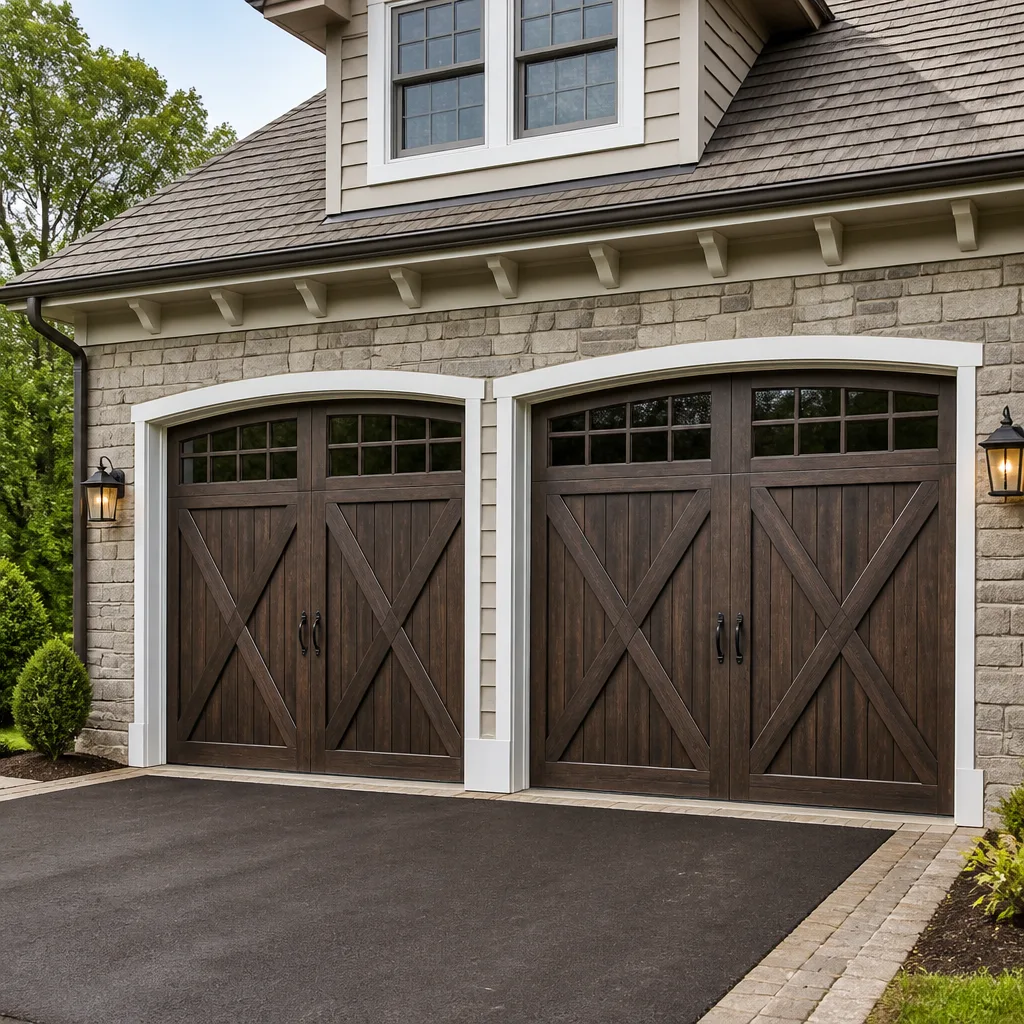 Carriage house
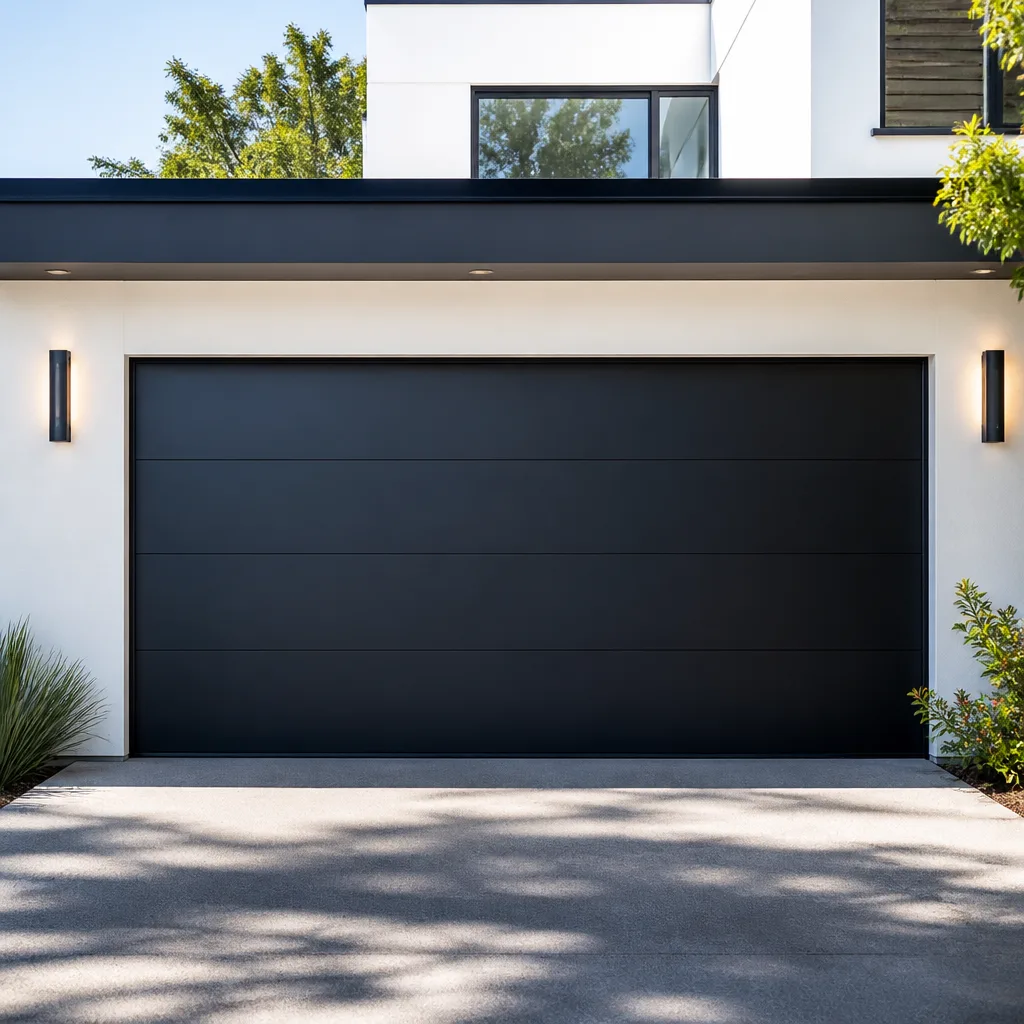 Modern flush
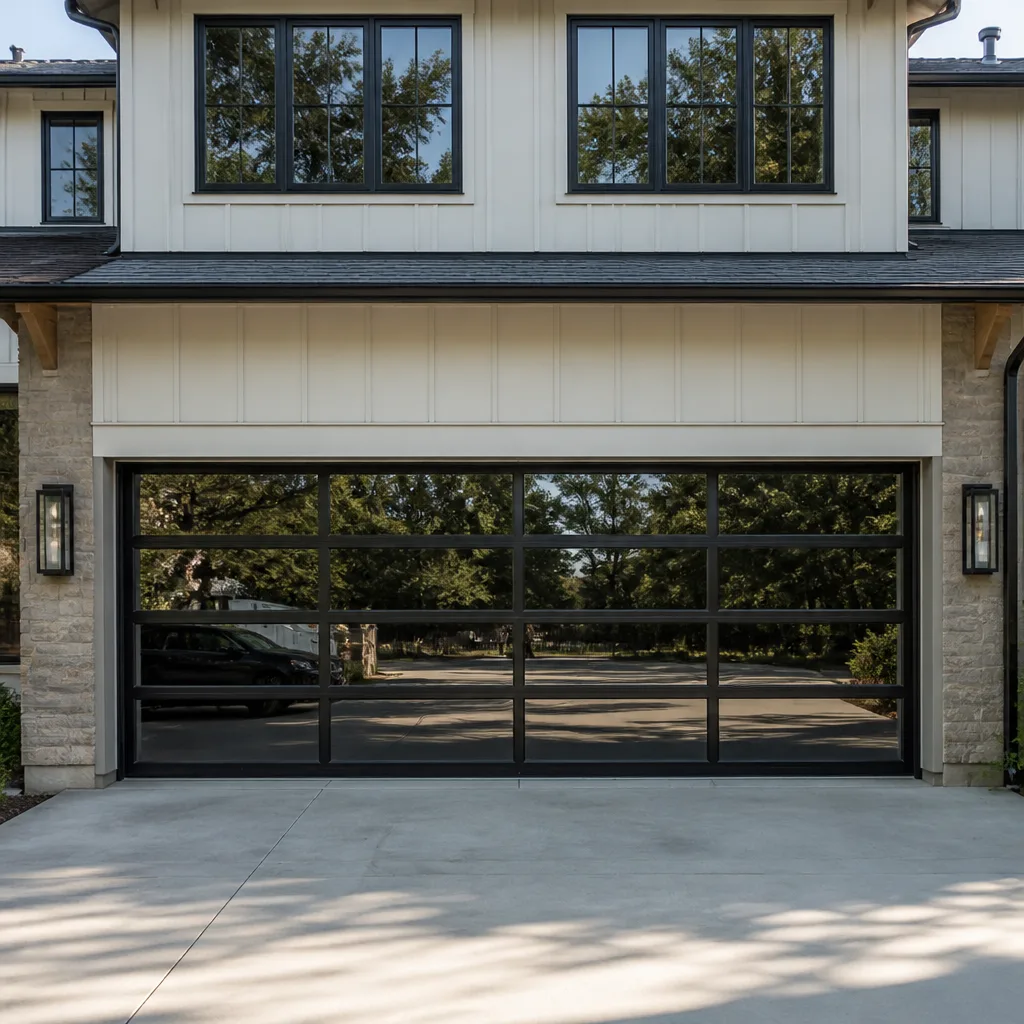 Full-view glass
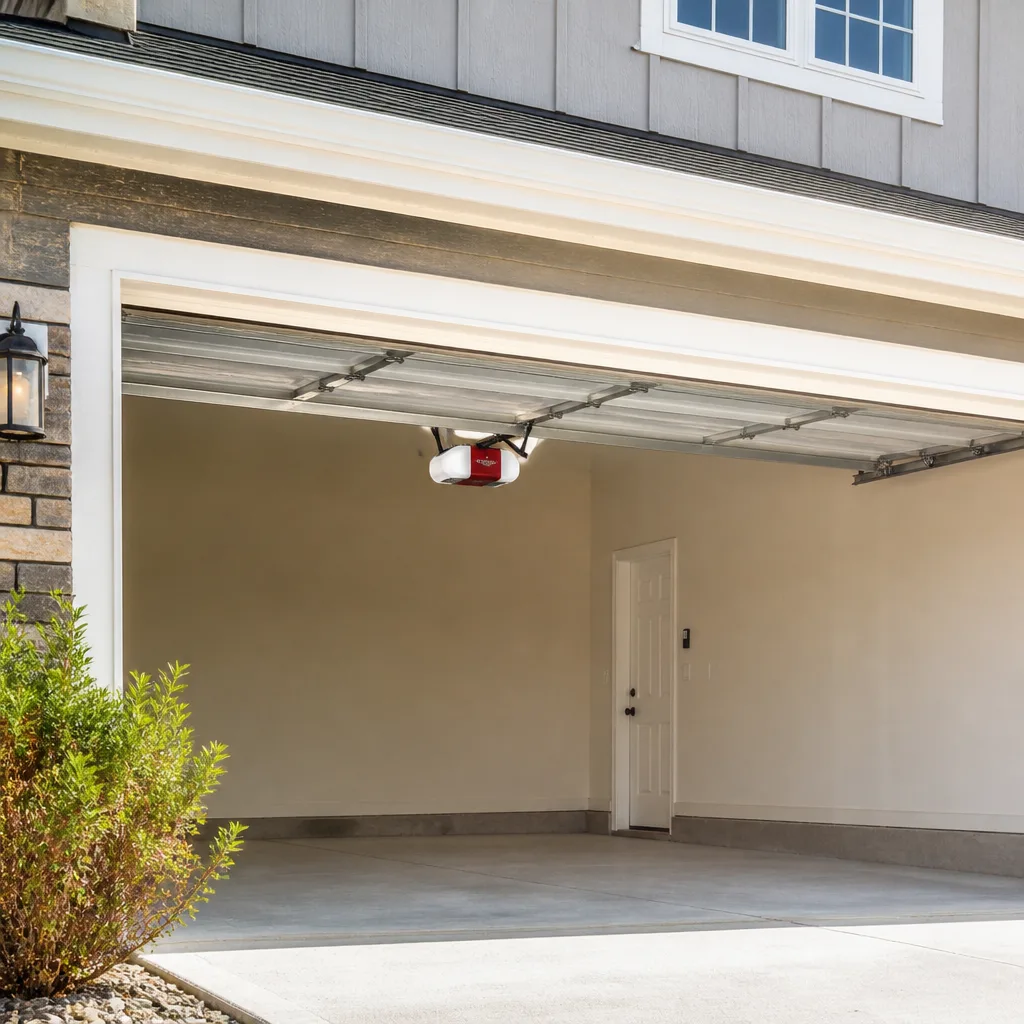 LiftMaster openers
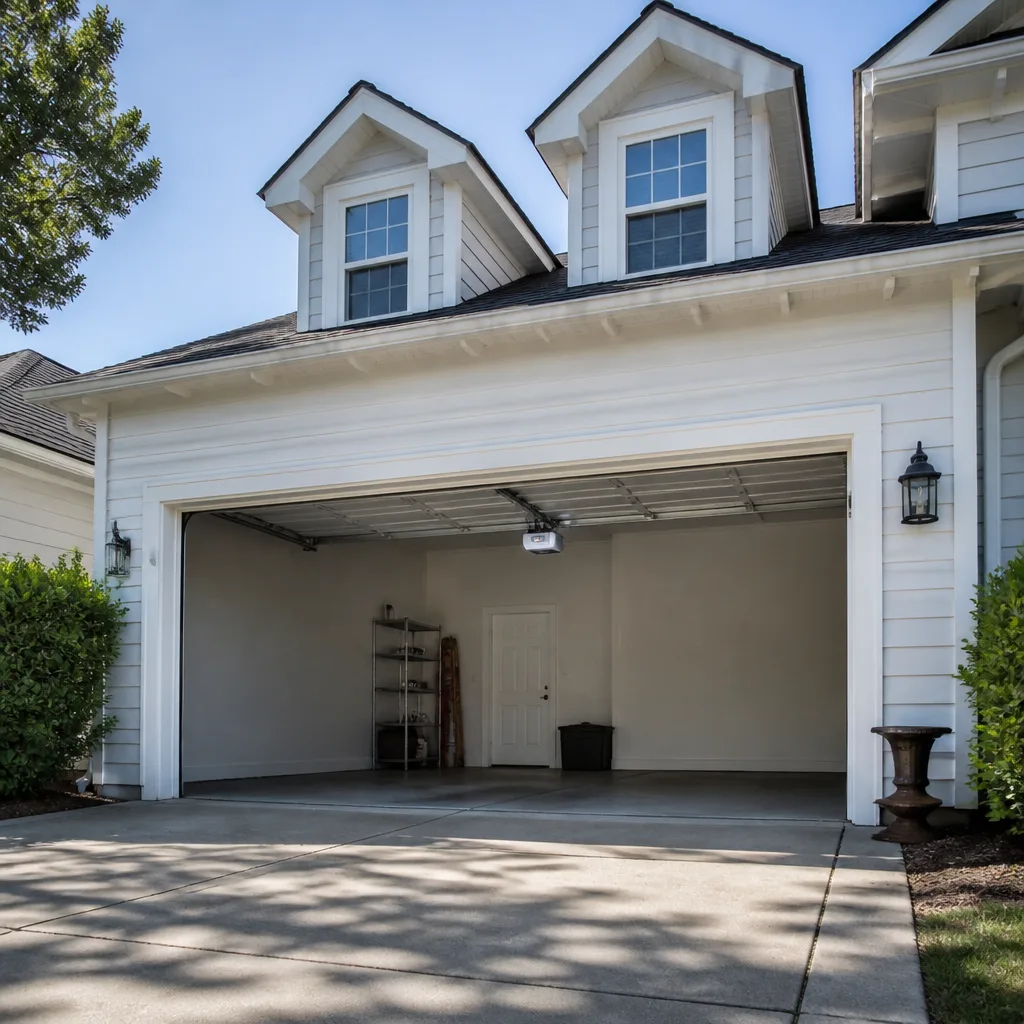 Chamberlain openers
Full 25-point door and opener safety check with every visit - springs, cables, rollers, tracks, and your LiftMaster or Chamberlain opener included
You get a price before we start. It does not change when the pro arrives.
Get your free estimateChoosing the Right Garage Door Brand: A Buyer’s Guide for Chicago Lawn
The garage door brand that tops the sales charts in Phoenix or Las Vegas is often a poor match for a Chicago Lawn bungalow. That surprises people. National advertising rewards brands that sell the most doors nationwide, not brands that hold up to a February freeze, a tight alley approach, and a century-old frame that was never square to begin with. Insulation ratings, steel gauge, bottom seal design, and low-headroom hardware all behave differently in Chicago’s climate than the Sun Belt specs most “best brand” lists are built around. This guide walks through what actually matters here: reading R-values for our climate zone, comparing steel gauge and dent resistance, matching hardware to bungalow framing, and weighing warranty coverage for rust and corrosion honestly. By the end you’ll know how to evaluate any brand on its merits for a Chicago Lawn garage, not on how loudly it advertises.
Quick Answer
For most Chicago Lawn homeowners, the right garage door brand is the one whose insulation is rated for a cold climate zone, whose steel gauge resists dents in tight alley clearances, whose hardware fits low-headroom bungalow framing, and whose parts are stocked locally rather than through a single metro distributor. National brand recognition matters far less than those four factors. Brands like Amarr, Wayne Dalton, Clopay, and Raynor each satisfy them to different degrees depending on the model line, which is why the model matters more than the logo on the box.
Styles & brands we work with
- Raised-panel steel
- Carriage house
- Modern flush
- Full-view glass
- LiftMaster openers
- Chamberlain openers
Table of Contents
- Why Chicago Lawn Climate Changes the Brand Question
- How to Read R-Value Ratings for Chicago’s Climate Zone
- Steel Gauge and Dent Resistance in Alley Conditions
- Low-Headroom Hardware and Chicago Bungalow Framing
- Warranty Terms: What’s Really Covered for Rust and Corrosion
- Parts Availability and the True Cost of Ownership
- Matching the Door Brand to Your Opener
- A Step-by-Step Way to Evaluate Any Brand
Why Chicago Lawn Climate Changes the Brand Question
A garage door is a large moving assembly of steel, insulation, springs, and seals, and every one of those materials responds to temperature. In Chicago Lawn, that means freeze-thaw cycles that work on bottom seals and weatherstripping all winter, summer humidity that finds every scratch in a painted panel, and winters cold enough that an uninsulated attached garage becomes a refrigerator pressed against the house. The same door that performs fine in a mild climate can develop seal gaps, panel condensation, and stiff operator travel here within a couple of seasons.
That’s why brand selection for a Chicago Lawn garage door installation should start with climate performance, not showroom finish. The three factors that separate brands in our market:
- Insulation and thermal break: Whether the door has an insulated core and a thermal break between the steel skins, which affects both heat loss and condensation on cold mornings.
- Bottom seal design: A flexible, deep bottom seal that can conform to an uneven concrete apron, which alley-facing garages in Chicago Lawn commonly have.
- Finish and corrosion protection: How the steel is galvanized and painted, because road salt tracked in from the alley sits against the bottom panel and hardware for months.
We work on doors from Amarr, Wayne Dalton, Clopay, Raynor, and a handful of others every week, and the pattern is consistent: the models built with cold climates in mind hold up, and the entry-level models built to a national price point don’t. The brand name is a starting filter. The model line is the real decision. If a branded system is already on your garage and you need it looked at, start with garage door repair and let a technician identify what you have before you shop.
How to Read R-Value Ratings for Chicago’s Climate Zone
R-value measures how well a door resists heat flow. Higher is better, and for an attached garage in Chicago Lawn the practical minimum is higher than most national brand marketing implies. A door sold as “insulated” at a low R-value may still leave an attached garage cold enough that the wall between garage and house does the real insulating work all winter.
Here’s how the ratings tend to break down across the market:
- No insulation (single-layer steel): Effectively no R-value. Fine for a detached, unheated garage where temperature doesn’t matter.
- Single-layer with a vinyl back: A modest rating, often marketed as “insulated” but mostly there to reduce noise and condensation.
- Two-layer steel with polystyrene core: A middle rating. Adequate for milder climates, thinner for a Chicago winter.
- Three-layer steel with polyurethane core: The highest ratings available in residential doors, and what we recommend for attached garages here.
Two cautions. First, R-values published by different brands are not always measured the same way, so compare within a brand’s lineup rather than across advertising claims. Second, a high R-value door installed with poor perimeter seals loses much of its benefit, because cold air moves around the door, not through it. In our experience the seal quality and the door’s fit in the opening matter as much as the number on the spec sheet for a Chicago Lawn garage. When a homeowner wants to compare specific model lines side by side, we’ll pull the specs and explain the difference in plain terms.
Steel Gauge and Dent Resistance in Alley Conditions
Steel gauge is the thickness of the door’s steel skin, and lower gauge numbers mean thicker steel. A 24-gauge door is thinner than a 27-gauge door, and in an alley environment that difference shows up fast. Chicago Lawn garages are typically approached from a narrow alley with limited turning room, and a door that gets bumped by a car, a garbage cart, or a bicycle takes the hit on the bottom panel. Thicker steel resists the dent; thinner steel deforms and stays deformed.
What to compare when you’re looking at gauge across brands:
- Skin gauge on the bottom section: The most-abused panel. Some brands use a heavier gauge on the bottom section specifically for this reason.
- Section construction: Steel thickness on the face versus the edges. A door can advertise a heavy face gauge and use thinner steel in the wrap.
- Panel stiffening: Whether the sections have full-width struts or embossed ribbing, which resists oil-canning and improves wind load performance.
Gauge isn’t everything. A heavy-gauge door with a poor hinge and roller setup will still wear out its tracks early because the hardware has to carry more weight. That’s why brand familiarity matters: technicians who’ve worked on a given model know where its hardware wears and what to check first. Brands like Wayne Dalton and Raynor each have their own hardware patterns, and knowing those patterns is the difference between a quick adjustment and a return visit. When a dented or damaged section needs replacing, prompt service keeps the door operating safely; that’s a job for Garage Door Repair Chicago Lawn rather than a general handyman.
Low-Headroom Hardware and Chicago Bungalow Framing
Chicago Lawn’s housing stock includes a lot of bungalows and older two-flats, and many of those garages were built with tighter headroom and shallower ceiling framing than a modern suburban garage. A standard torsion or extension spring setup and standard radius track sometimes won’t fit without modifying the structure above the door, which adds cost and complexity. This is one of the most common places brand choice matters, because not every manufacturer offers a low-headroom hardware configuration.
When you’re evaluating a brand for an older Chicago Lawn garage, ask these questions before ordering:
- Does the brand offer a low-headroom track and spring kit? Some do; some force a standard configuration that won’t clear your ceiling joists.
- What is the actual headroom and back-room requirement of the model? A few inches can decide whether a door fits your opening without structural changes.
- Are the track radius and drum options flexible? A brand with only one track configuration limits your installer’s ability to fit an existing opening.
- Does the hardware match the door’s weight? Low-headroom setups put different loads on springs and drums, and the brand’s hardware should be rated for it.
A proper fit is everything here. A door forced into a space it wasn’t designed for will run unevenly, wear its hardware prematurely, and never seal properly. If your garage was built to a bungalow’s dimensions, have the opening measured before you buy a door, not after. That’s part of every garage door installation we handle: the measurement comes first, and the brand and model follow from what actually fits.
Warranty Terms: What’s Really Covered for Rust and Corrosion
Garage door warranties are layered, and the rust and corrosion sections are where brands differ most. In a Chicago Lawn alley environment, salt tracked in from the street sits against the bottom panel, hinges, and fasteners for months each winter, so corrosion coverage is not a theoretical clause. Read the warranty before you buy, and read it line by line.
What to look for:
- Paint finish warranty vs. corrosion warranty: Some brands warrant the paint against peeling or fading but exclude rust-through, which are different failures.
- Section coverage vs. hardware coverage: Springs, hinges, rollers, and tracks often carry shorter terms than the panels.
- Pro-rated terms: A “limited lifetime” panel warranty may be full coverage for a short window and pro-rated after that, which changes its real value substantially.
- Exclusions for coastal or high-salt environments: Read carefully. Some brands exclude salt exposure entirely, and an urban alley is a high-salt environment in winter.
The honest answer is that most residential warranty claims are about hardware and finish, not rust-through panels, but the corrosion clause is still worth reading because it tells you what the manufacturer expects the door to survive. If a brand’s warranty effectively excludes winter road salt, treat that as a signal about the door’s finish quality. When a door is out of warranty or the claim doesn’t cover the failure, we can often source parts and get it working again; details are on the garage door parts page.
Parts Availability and the True Cost of Ownership
A garage door is a long-term purchase, and the biggest hidden cost is parts availability. A brand that’s only distributed through one supplier in the Chicago metro can leave you waiting days or longer for a hinge, a roller, or a spring when something breaks, while a brand stocked by multiple local suppliers gets fixed faster. For a Chicago Lawn household that uses the garage as a primary entry, that delay is the difference between a door that works and a car parked in the street.
How to evaluate parts availability before you commit to a brand:
- Ask who stocks the brand’s parts in the Chicago area. If the answer is “one distributor,” plan for delays on non-standard parts.
- Check whether the consumables are generic or proprietary. Rollers, cables, and some springs are standard sizes; drums, hinges, and specialty hardware are often brand-specific.
- Confirm the model has been in production long enough for parts to be widely stocked. A brand-new model line can have limited parts support for a year or two.
- Ask whether your installer keeps common parts on hand. A specialist who stocks parts can complete a same-visit repair instead of scheduling a return.
In our experience, this is where big national advertising and real-world ownership cost diverge. A brand that wins on showroom appeal but loses on parts availability costs more over ten years than a brand with a quieter reputation and stocked parts. We carry parts for the brands we service, and that’s a big part of why garage door opener repair and spring work often get resolved on the first visit rather than the second.
Matching the Door Brand to Your Opener
The opener is a separate purchase from the door, but the two have to work together, and brand choice on one affects the other. The two dominant smart-home ecosystems are LiftMaster and Chamberlain (the myQ platform), and older Craftsman units are still common on Chicago Lawn garages. If your door is being replaced with a heavier insulated model, the existing opener may not be rated to lift it, and the brand of opener you have affects the parts and remotes you can use afterward.
A few practical points:
- Door weight and opener capacity: Upgrading to a three-layer insulated door adds weight. Confirm the opener can lift it before you order.
- Safety reverse and photo-eye compatibility: Any opener installed today needs functioning safety reverse. Older units may need adjustment or replacement.
- Smart-home compatibility: If you want app control, stay within the LiftMaster or Chamberlain/myQ ecosystem or confirm the brand you choose supports your platform.
- Legacy Craftsman units: Still serviceable, and parts are available, but a very old opener paired with a new heavy door is worth evaluating as a pair.
We work on LiftMaster, Chamberlain, Genie, and Craftsman openers regularly, so we can tell you whether your existing unit will handle the new door or whether it’s time to replace both together. It usually makes sense to decide on the opener at the same time you choose the door, because the two decisions affect each other.
A Step-by-Step Way to Evaluate Any Brand
Bring this sequence to any showroom or quote conversation. It works for every brand on the market, and it keeps the conversation on performance factors rather than advertising.
- Measure the opening and headroom first. Before brand names enter the conversation, know your opening width and height, the headroom above the door, and the back-room distance behind it.
- Match the model to the climate, not to the sales chart. Look for three-layer construction with a polyurethane core for an attached garage in Chicago Lawn.
- Check steel gauge on the bottom section specifically. In an alley environment, that’s the panel that takes the hits.
- Confirm the hardware fits your framing. Ask specifically about low-headroom kits if your garage is a bungalow or older two-flat.
- Read the corrosion and hardware warranty lines. Not the headline “limited lifetime” claim, but the actual covered and excluded items.
- Ask who stocks parts for that brand in the Chicago metro. If the answer is one distributor, factor in the delay.
- Get a written estimate before work starts. The quoted price is the price; get it in writing and make sure it covers disposal of the old door and any hardware upgrades.
Run that sequence and the brand decision gets much simpler, because most brands fail at least one of those seven checks for a Chicago Lawn garage. The ones that pass are the ones worth a closer look.
Common Mistakes to Avoid
- Buying on national best-seller rankings alone. A brand can be the top seller nationwide and still be the wrong spec for a cold-climate attached garage. Rankings reflect sales, not fit for your opening.
- Assuming “insulated” means winter-ready. A single-layer door with a vinyl back is often marketed as insulated without meaningfully reducing heat loss. Compare R-values within the brand’s lineup, not across ad claims.
- Ignoring steel gauge on the bottom section. In a narrow Chicago Lawn alley, the bottom panel takes the impact from carts and bumpers. Thin steel there dents and stays dented.
- Ordering a standard track for a low-headroom garage. Older bungalow garages often can’t fit a standard configuration. Measure the headroom before you buy, not after.
- Reading the headline warranty and skipping the exclusions. The rust and corrosion clause is the one that matters in a salty urban environment, and many brands limit or exclude salt exposure.
- Choosing a brand only one distributor carries. The door may be fine, but a single-distributor brand can mean waiting days for a hinge or roller. Locally stocked brands get repaired faster.
- Replacing the door without checking the opener. A heavier insulated door can exceed an older opener’s rating. Decide on the opener and door together, especially when a legacy Craftsman unit is still in place.
See the difference
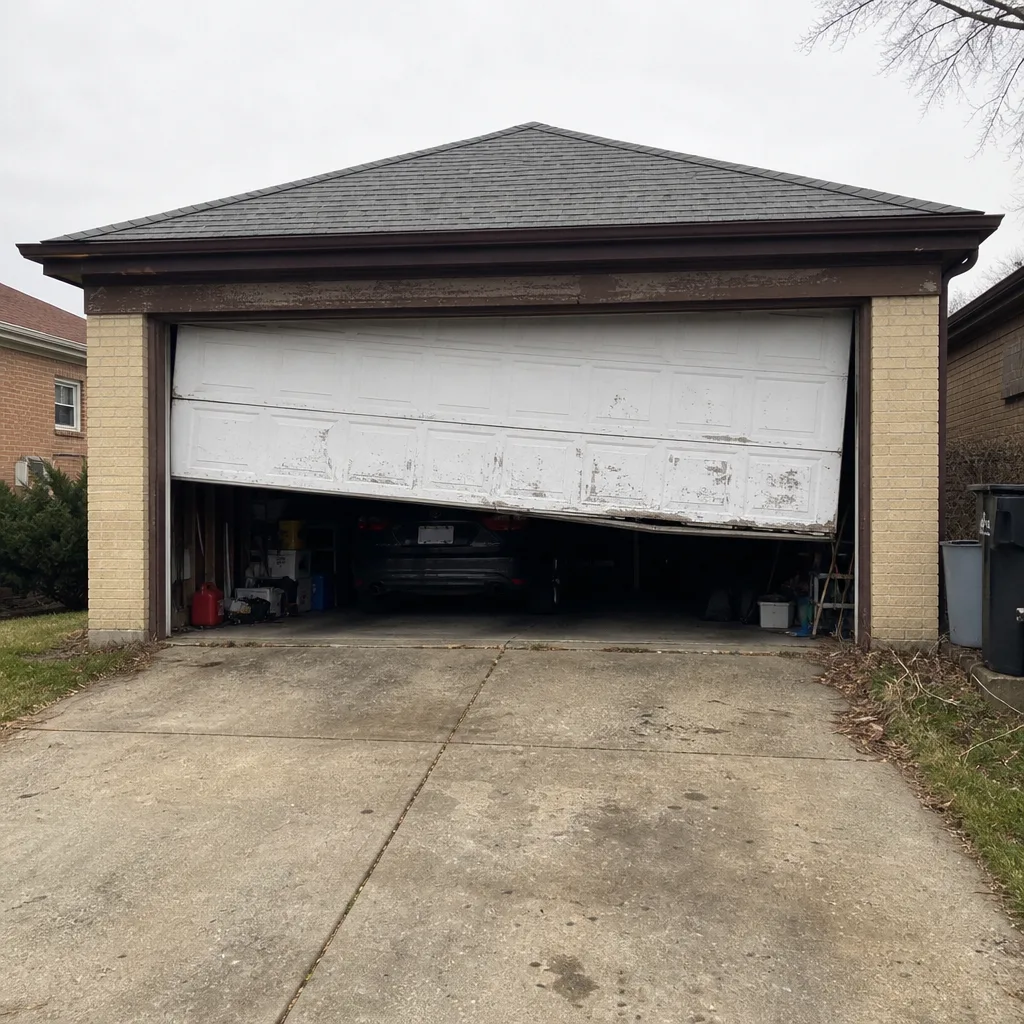 Before
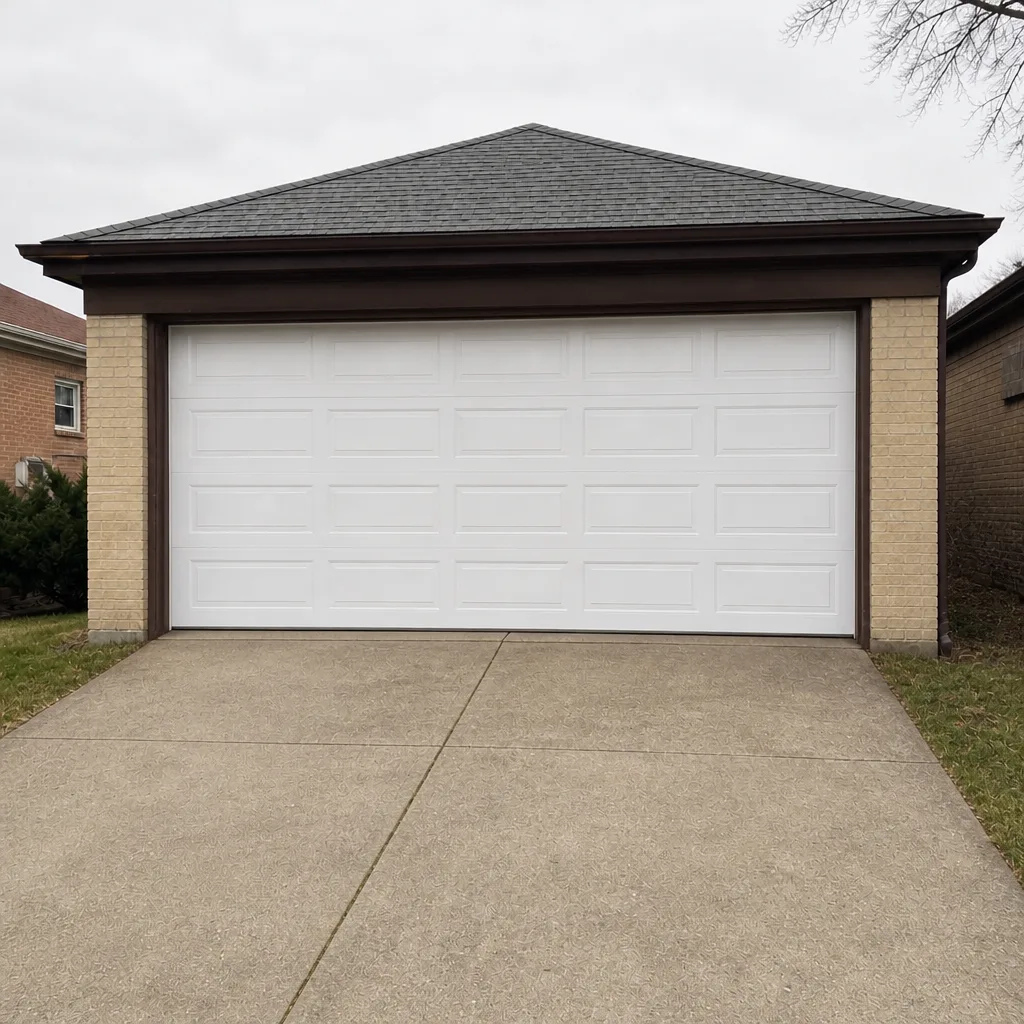 After
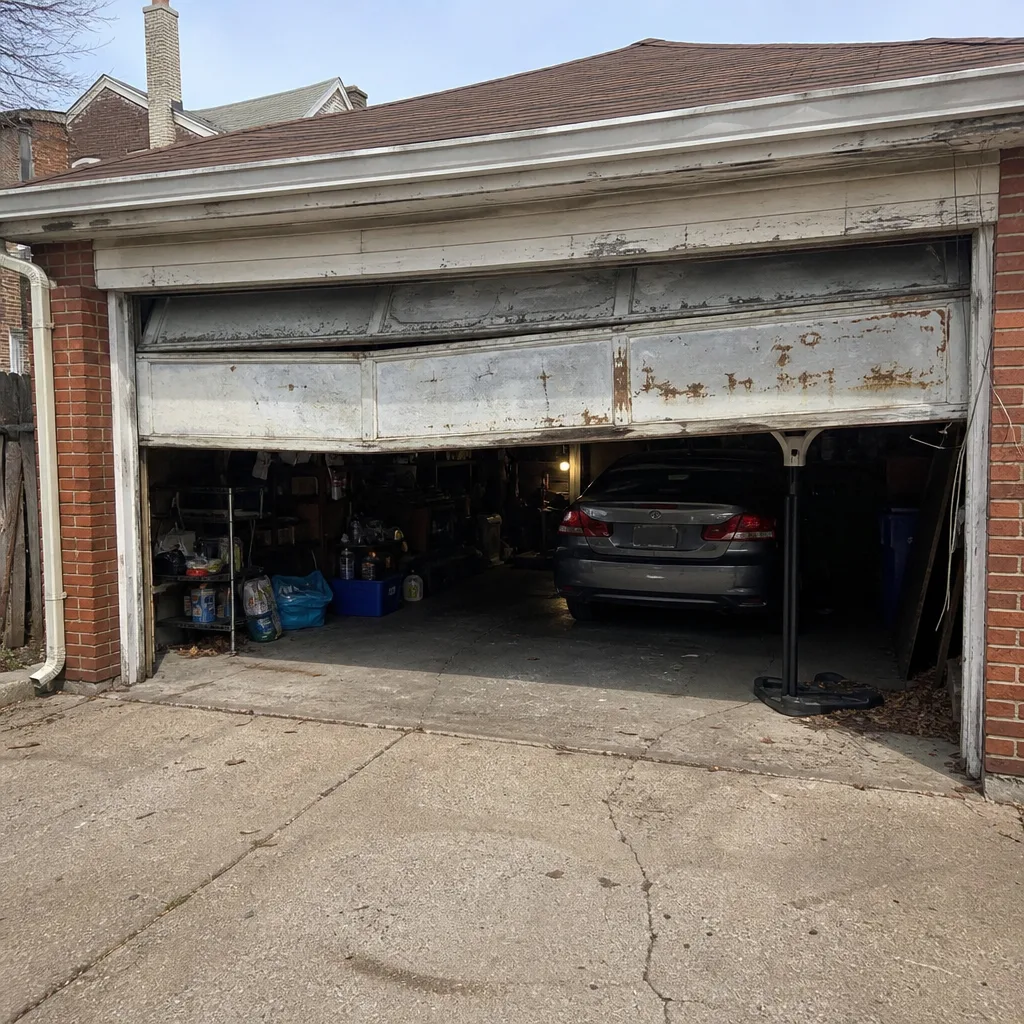 Before
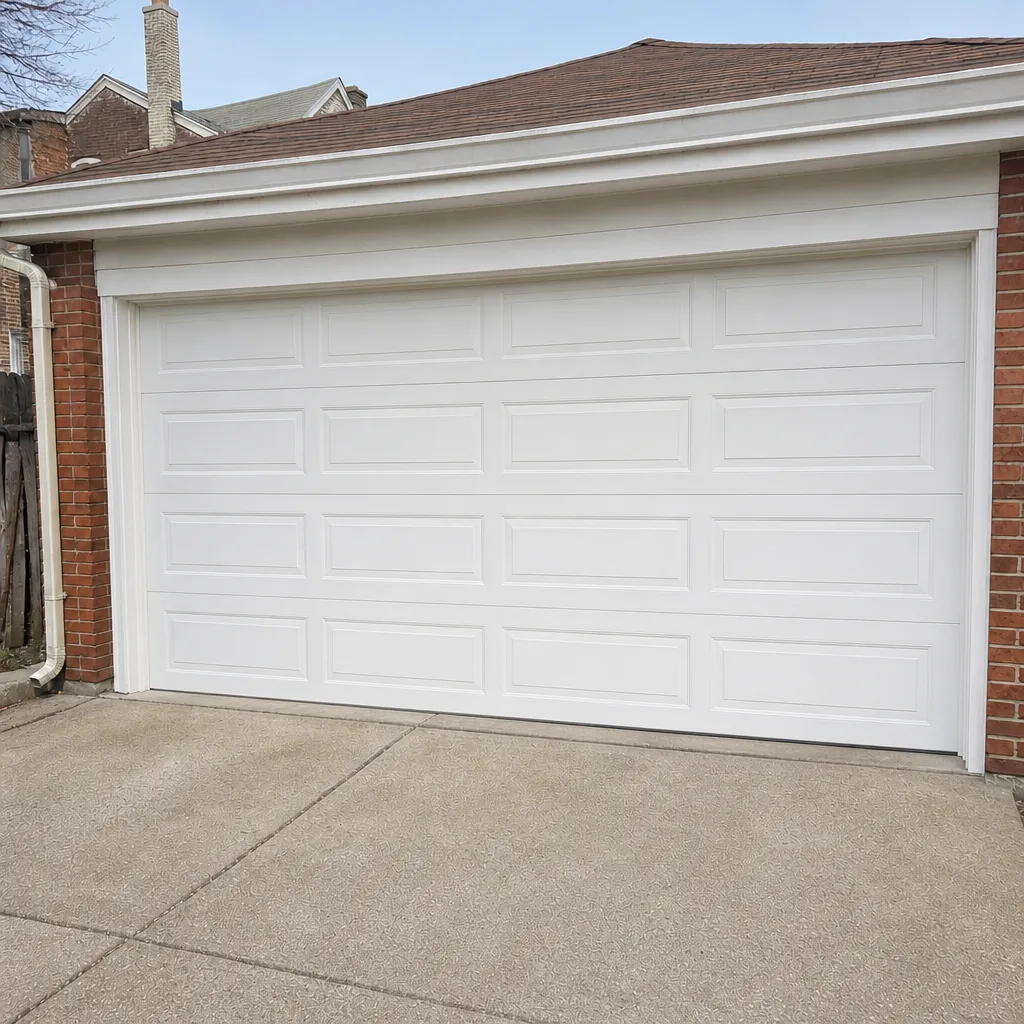 After
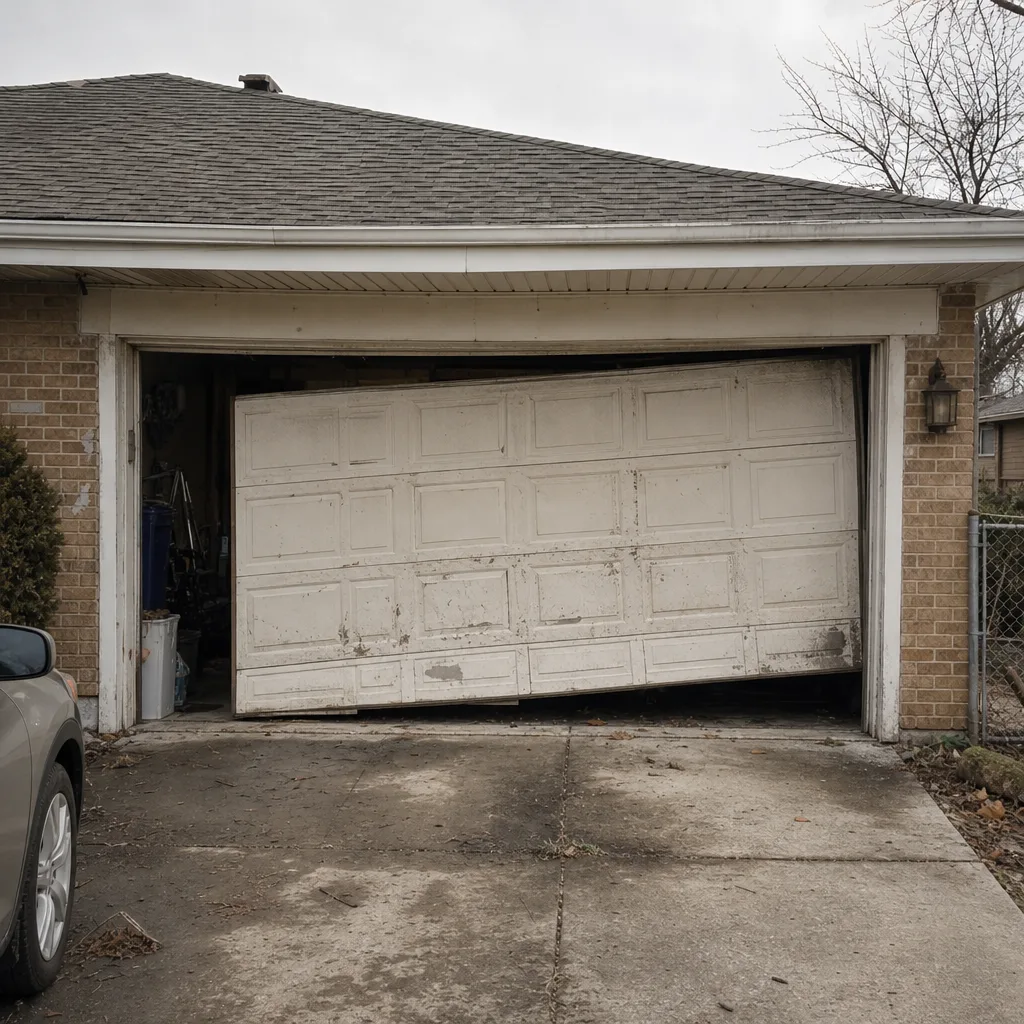 Before
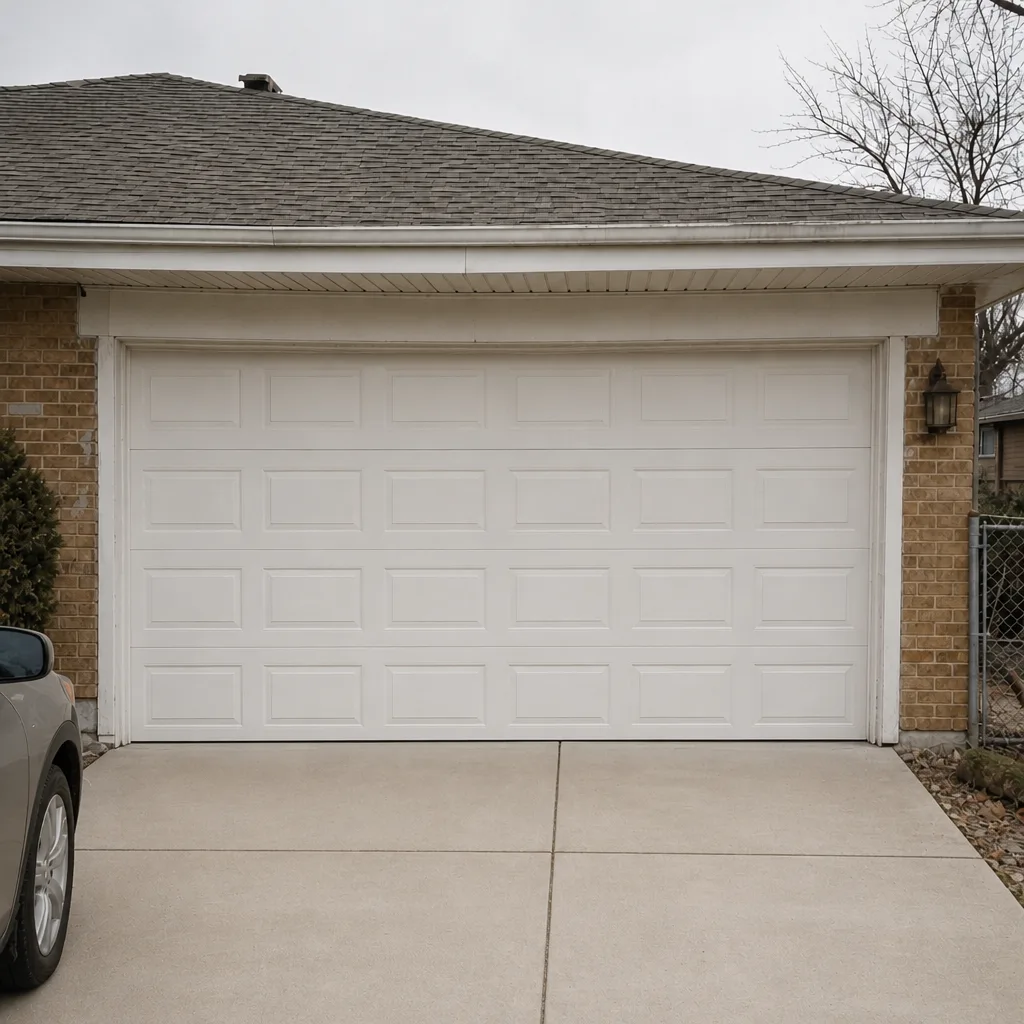 After
When to Call a Professional
Some brand decisions are safe to make on your own; others need an expert eye on the actual opening and hardware. Call a professional when your garage has unusual headroom or framing, when you’re moving from an uninsulated to a heavy insulated door, when your existing opener may not handle the new door, or when a spring has failed and the door won’t lift. Springs, cables, and anything under high tension are genuinely dangerous to work on without training, and no brand guide changes that. We also see homeowners who bought a door online before measuring and now need it fitted; that’s a job worth getting right the first time. Garage Door Repair Chicago Lawn offers free estimates in Chicago Lawn, so call (855) 658-4150 and we’ll measure the opening, confirm which brands and models fit, and give you a written price before anything is ordered or installed.
Frequently Asked Questions
The best brand for a Chicago Lawn garage is the one that meets cold-climate insulation needs, uses heavier steel on the bottom section, offers low-headroom hardware, and has parts stocked locally in the Chicago metro. Amarr, Wayne Dalton, Clopay, and Raynor all have model lines that meet those criteria, but the specific model matters more than the brand name. Call (855) 658-4150 for a free estimate and we’ll match a model to your opening.
An attached garage in Chicago Lawn needs a higher R-value than a national average suggests, which in practice means choosing a three-layer steel door with a polyurethane core rather than a single-layer “insulated” model. The exact number matters less than the construction type, and the perimeter seals matter as much as the spec sheet. A free measure lets us recommend a model that fits your opening and your climate.
Permit requirements vary by municipality and job type, so check with the City of Chicago’s building department before scheduling work. A like-for-like door replacement sometimes doesn’t require a permit while structural changes often do, and the rules can shift. We’ll tell you what we know about your specific job during the estimate; the final word comes from the city.
Garage door installation costs vary by door size, insulation level, hardware configuration, and whether the opener is being replaced, so any estimate is built per job. We give a written quote before any work begins, and the quoted price is the price. Call (855) 658-4150 for a free estimate on your specific opening.
Sometimes, but not always. A heavier three-layer insulated door can exceed the lifting capacity of an older opener, especially a legacy Craftsman unit. We check the opener’s rating against the new door’s weight before ordering, and if it doesn’t match, we’ll explain the options. That way you only replace what needs replacing.
Ask who stocks that brand’s parts in the Chicago metro before you buy. If the answer is a single distributor, expect delays on proprietary parts like drums and hinges. Locally stocked brands get repaired faster, and a specialist who keeps common parts on hand can often finish the repair on the first visit.
The Bottom Line
For a Chicago Lawn garage, brand selection should start with four questions: does the insulation fit a cold climate, is the bottom-section steel thick enough to resist alley impacts, does the hardware fit bungalow headroom, and are parts stocked locally in the Chicago metro? A brand that passes all four is worth considering regardless of how loudly it advertises; one that fails any of them will cost more over the life of the door. Read the R-value carefully, check the gauge on the panel that takes the hits, read the corrosion warranty line by line, and measure your opening before you shop. Do that, and the brand decision becomes straightforward. When you’re ready to compare real models against your garage, call (855) 658-4150 for a free estimate.
Written by the team at Garage Door Repair Chicago Lawn.