Last updated November 21, 2026
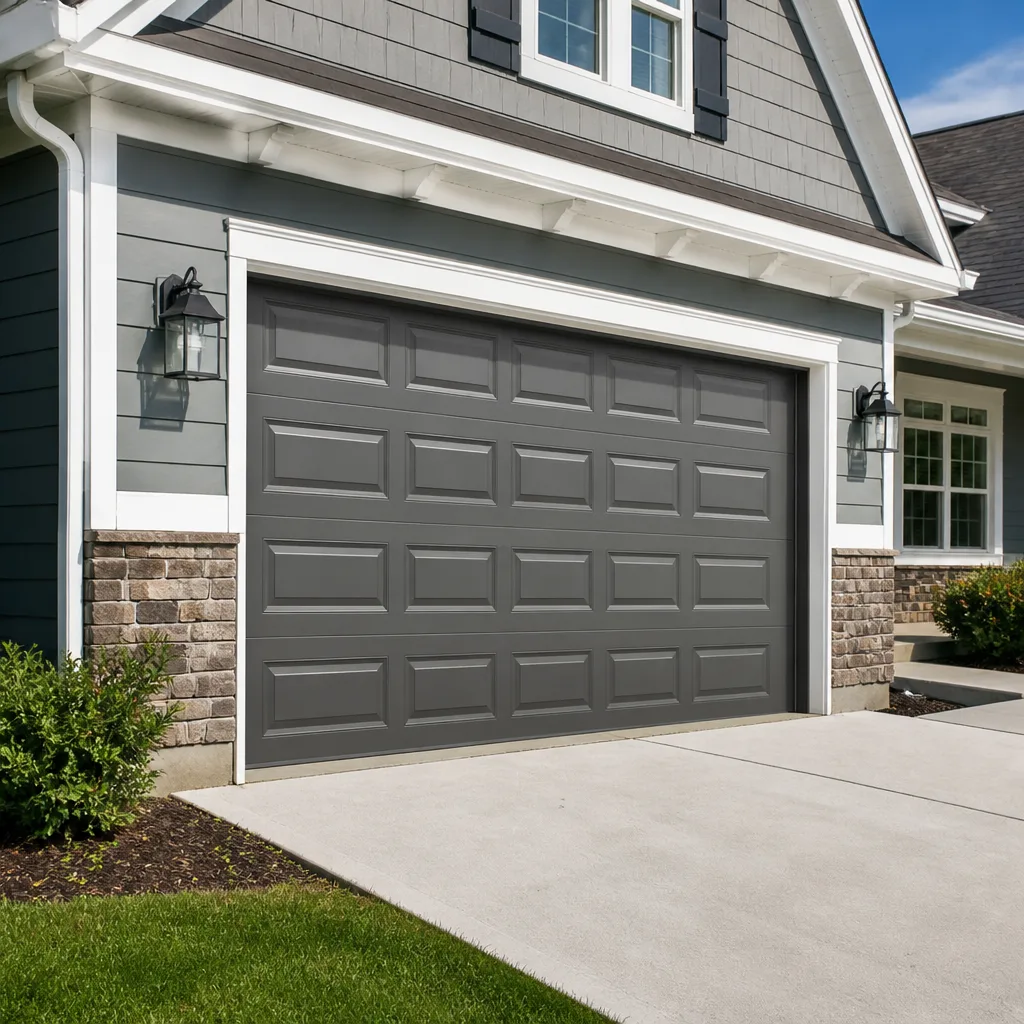 Raised-panel steel
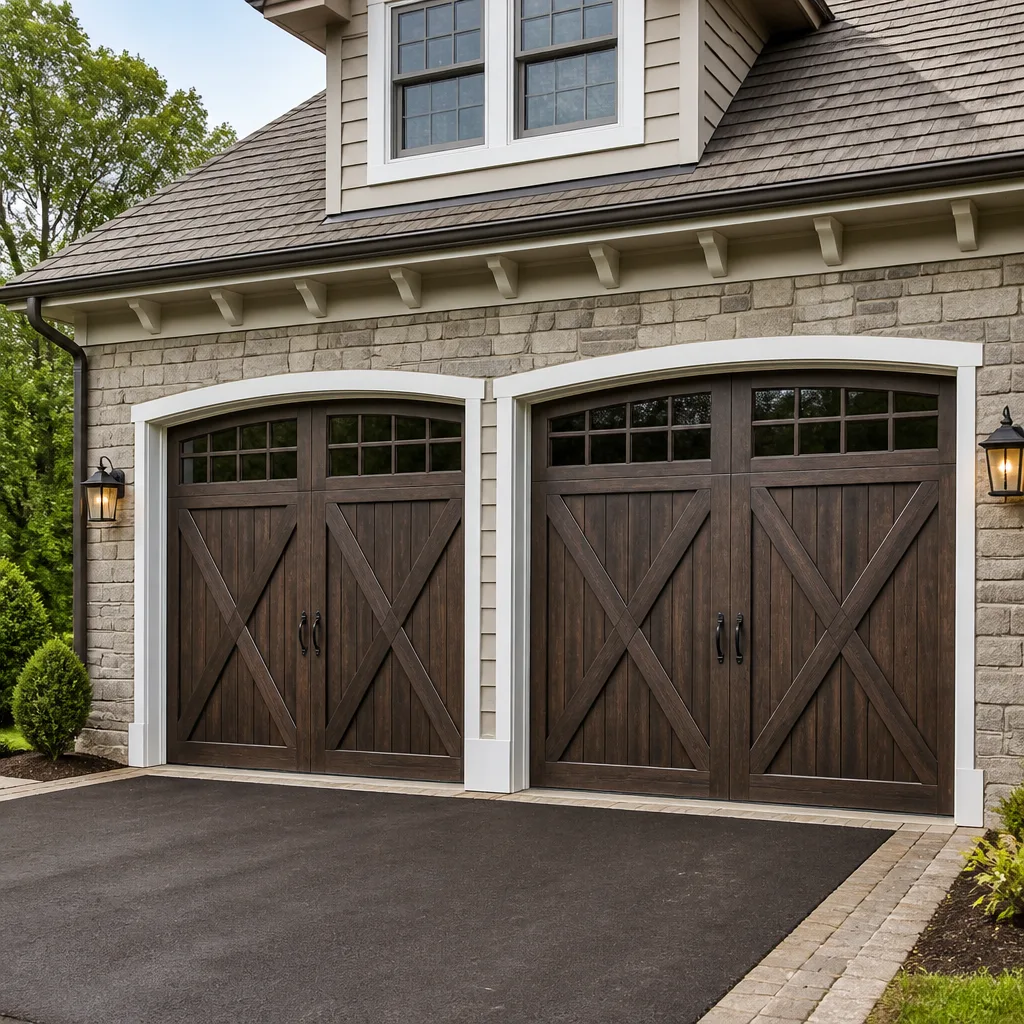 Carriage house
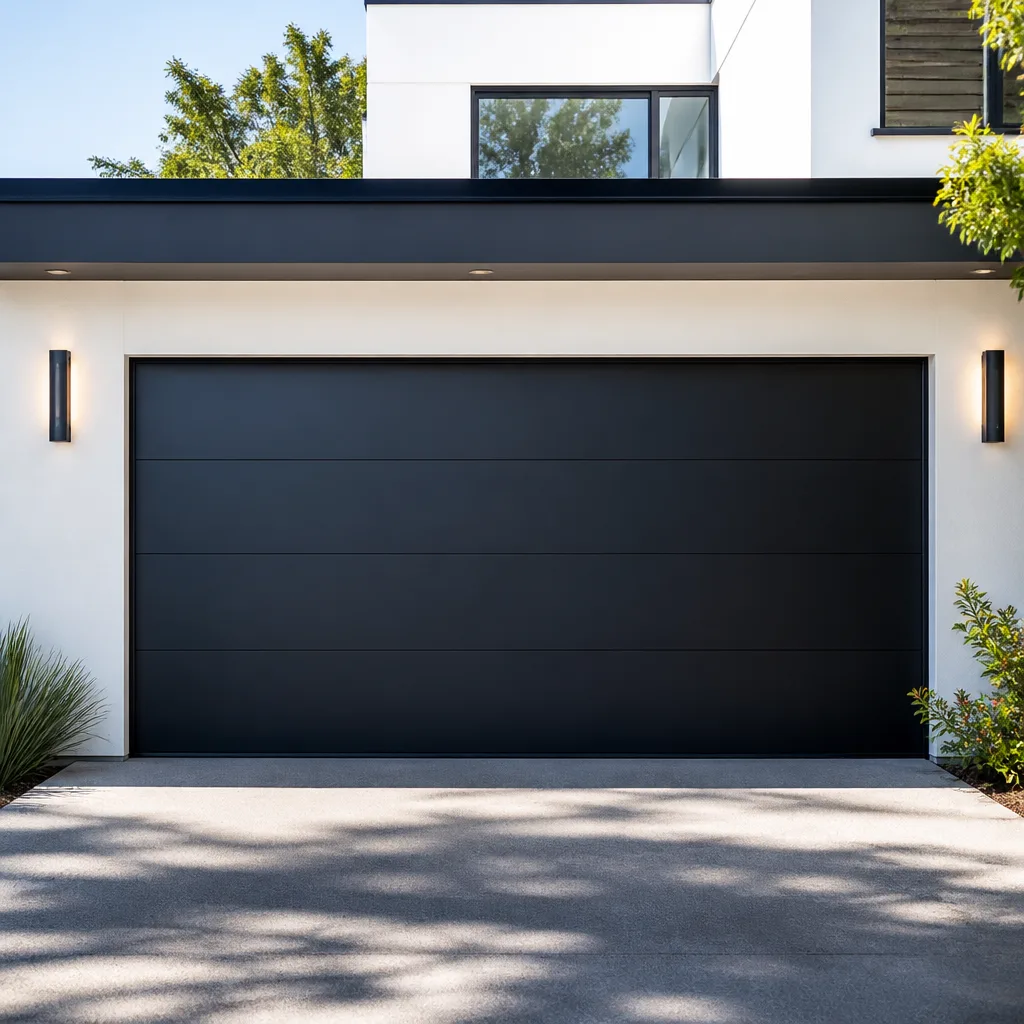 Modern flush
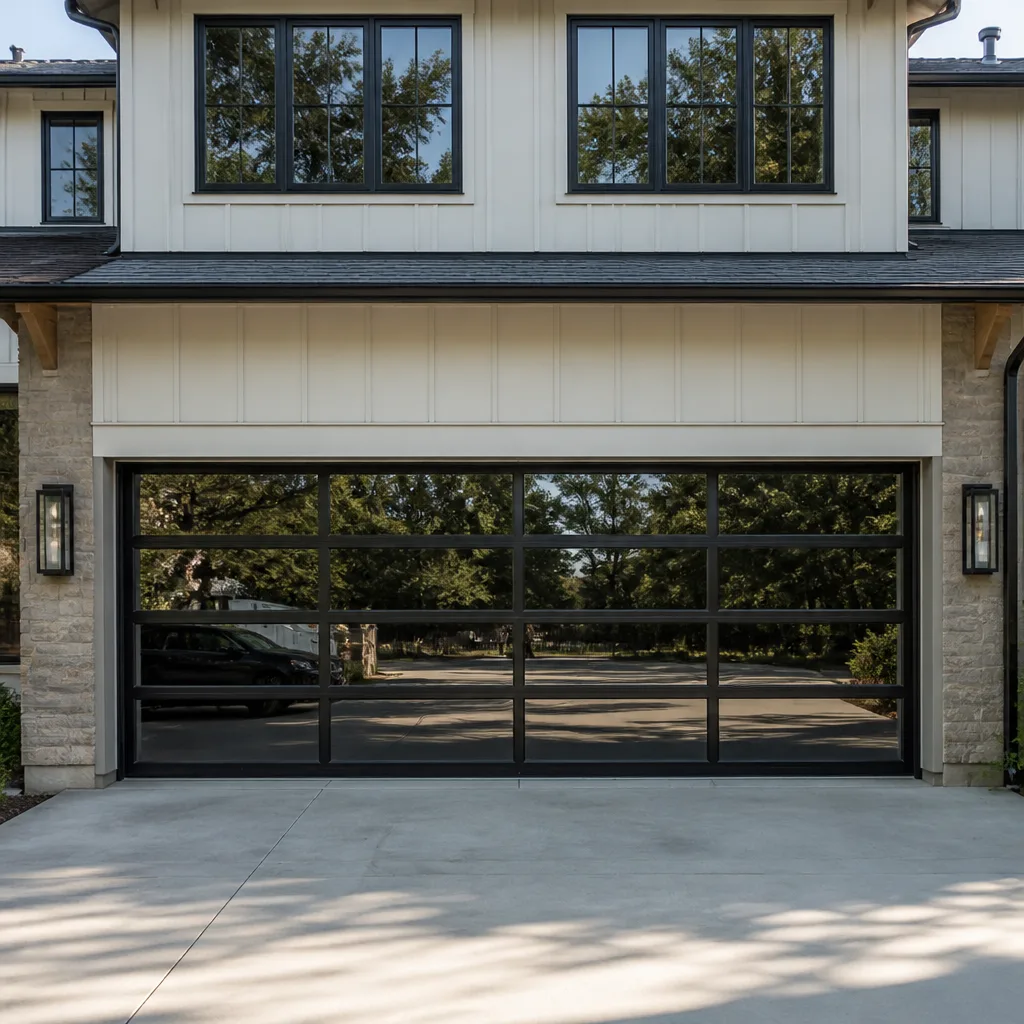 Full-view glass
 LiftMaster openers
 Chamberlain openers
Full 25-point door and opener safety check with every visit - springs, cables, rollers, tracks, and your LiftMaster or Chamberlain opener included
You get a price before we start. It does not change when the pro arrives.
Get your free estimateDIY vs Professional Garage Door: The Chicago Lawn Homeowner’s Decision Guide
Most homeowners asking the DIY-versus-pro question are really asking the wrong one. They want to know whether they’re skilled enough, handy enough, brave enough. But a garage door doesn’t care much about skill. It cares about stored energy. A fully wound torsion spring holds enough force to cause fatal injury when it releases without the right tools and sequence, and that’s not a warning we invented for this page. It’s physics. The real decision isn’t about confidence. It’s about sorting the job into tasks that carry genuine injury or liability risk and tasks a careful homeowner can legitimately do. This guide does that sorting for you, with the specific wrinkles that come with Chicago Lawn’s older garages.
Quick Answer
DIY is a reasonable choice for lubrication, safety sensor alignment, manual release practice, and visual inspection. Professional help is the only rational choice for torsion spring replacement, cable and drum work, track straightening, and any repair that involves framing the door depends on. In Chicago Lawn’s older garages, non-standard spring setups and years of settled framing make the risky tasks riskier. If you’re unsure which side a job falls on, that uncertainty is your answer.
Styles & brands we work with
- Raised-panel steel
- Carriage house
- Modern flush
- Full-view glass
- LiftMaster openers
- Chamberlain openers
Table of Contents
- The Task-by-Task Breakdown: What’s Safe for Homeowners and What Isn’t
- Why Garage Door Springs Are Different From Every Other Home Repair
- Why Chicago Lawn’s Older Garages Raise the DIY Risk Profile
- What a DIY Mistake Actually Costs You
- Opener Adjustments: Which You Can Touch and Which Void the Warranty
- Structural Framing and Track Work: The Hidden Line
- Illinois Liability When DIY Work Gets Discovered Later
- Matching the Fix to Your Equipment Brand
The Task-by-Task Breakdown: What’s Safe for Homeowners and What Isn’t
This is the section most DIY guides skip. They either tell you to call a pro for everything or hand you a wrench and say go. Neither is useful. Here’s how the work actually sorts out, based on what we’ve seen go wrong and what we’ve seen homeowners handle fine.
Safe for a careful homeowner
- Lubrication. Hinges, rollers, and the torsion bar bearings take a garage door lubricant, not WD-40. Once or twice a year keeps things quiet and slows wear.
- Safety sensor alignment. If the door reverses for no reason, the two sensors at the bottom of the tracks usually just need to be pointed at each other again. Wipe the lenses clean while you’re there.
- Manual release practice. Pulling the red cord to disengage the opener is something every adult in the house should know how to do. Practice it with the door down and the opener off.
- Visual inspection. Look at springs for visible gaps or a stretched coil, check cables for fraying, watch the door travel to spot wobble or binding.
- Weather seal replacement. The rubber or vinyl strip along the bottom edge is a cut-to-length, push-on job.
Professional work, full stop
- Torsion spring replacement. Both the winding and the removal. This is the one that kills people.
- Extension spring replacement. Less energy than torsion, but still loaded, still capable of serious injury if the door is down and the spring is under tension.
- Cable replacement and drum work. Cables are under hundreds of pounds of tension. There’s no safe homeowner version of this job.
- Track straightening and realignment. A door that’s jumped a track can come down in ways that injure whoever is standing under it.
- Bottom bracket work. The bracket the cable connects to is under constant tension and holds the cable in place. It’s one of the most dangerous parts of the whole assembly.
- Framing repair and reinforcement. Covered below, but the short version: if the wood the door depends on is soft or out of square, the door needs re-engineering, not re-hanging.
- Opener replacement where wiring codes apply. New high-voltage circuits in a garage usually need a permit. Ask the city’s building department before assuming otherwise.
If you’re reading that second list and trying to figure out whether “careful” gets you a pass on any of it, the answer is no. There is no careful version of a wound torsion spring.
Why Garage Door Springs Are Different From Every Other Home Repair
Garage door springs aren’t like a leaky faucet or a sticking window. They’re a stored-energy device that holds your door balanced against gravity, and they hold that energy every second of every day, whether you’re working on them or not. A torsion spring is wound tight to counteract the weight of the door. The winding bar is the only thing keeping that charge in place while you work.
What homeowners get wrong from watching videos is the sequence. Real work involves:
- Confirming the door is fully down and the opener is disengaged.
- Locking the door in place so it can’t rise if a cable slips.
- Using the correct-diameter winding bars (not screwdrivers, not punches, not the wrong size).
- Counting turns to the exact quarter-turn for the door’s specific spring configuration.
- Removing the old spring and confirming the new one matches both wire size and inside diameter.
- Winding to the correct number of turns for the door height and drum size.
- Testing balance, opener force settings, and reverse function before anyone uses the door.
A YouTube tutorial doesn’t know your spring size or your drum. It can’t. And a wound spring that releases when your hand is on the wrong end of a winding bar doesn’t stop at “ouch.” This is why spring repair belongs on the professional side of the line, not because it’s hard, but because the failure mode is catastrophic.
For spring work specifically, we treat it as a core service rather than a reluctant add-on. It signals whether the shop you’re calling actually specializes in garage doors or just happens to have the tools. If you want that work done right the first time, Garage Door Repair Chicago Lawn handles torsion and extension springs day in and day out.
Why Chicago Lawn’s Older Garages Raise the DIY Risk Profile
Chicago Lawn’s housing stock skews older, and that changes the calculation for homeowner DIY. A tutorial filmed in a newer subdivision will not account for what we routinely see in this neighborhood.
- Non-standard spring configurations. Older doors were often custom-engineered to the door weight. A current-spec replacement spring from a big-box store may not match the wire size or turns the original was built around, and that mismatch is dangerous rather than inconvenient.
- Deteriorated framing. The wood the door depends on was probably fine when it was installed. Decades later, in a climate that swings between humid summers and hard freezes, that wood can be soft, out of square, or pulling away from the structure. A spring installed into that framing can tear out.
- Multiple re-roofs and re-dos. A door that’s been re-hung, re-wired, or had its opener swapped by a prior owner often has mismatched tracks, brackets, or a torsion bar that isn’t level. Two problems compound.
- Freeze-thaw on the tracks. Cold weather contracts the track, and any bend that was manageable in July can become a jam in January. Homeowners tightening things down mid-winter often make the tracking worse.
A Chicago Lawn garage door that’s been standing since mid-century is not the same situation as a garage door installed recently. The risk profile is higher, and a DIY repair that assumes the framing is pristine is one of the reasons we get called in to fix a bigger problem than the homeowner started with.
If you’re not sure what you’re looking at behind the springs, a professional inspection tells you faster than you can diagnose it yourself. Reach out for garage door repair before any of the dangerous list becomes a weekend project.
What a DIY Mistake Actually Costs You
The honest answer is that it depends on the mistake, but the pattern is consistent. A homeowner saves the service call and then pays to fix what the service call would have covered, plus the damage from the attempt. Here’s a rough sketch of the trade-offs, with all numbers as typical estimates only. Your written quote after a visit is the final price.
- DIY torsion spring attempt. A direct spring purchase is usually $60 – $120 for one spring. The cost when the attempt releases or comes off wrong is a same-day emergency call plus whatever else the release damaged. Emergency rates are higher than scheduled work, and the door is unusable until the visit.
- Wrong tension or turns. The opener struggles, the door slams or fails to close, or the opener force gets cranked up by the homeowner to compensate. That wears out the opener motor far faster than the spring issue itself.
- Cable housing or drum damage during a “careful” removal. Cables and drums are not a homeowner job. Damage here often means new hardware across the door, not just a rewind.
- Opener forced adjustment. A comfort adjustment that runs out of range usually means the opener’s travel limit switch or force setting got driven past spec. Sometimes that’s a reset. Sometimes it’s a replacement.
- Framing repair after a failed installation. A spring that pulls out of soft wood takes framing with it. Framing work is a different trade and a different price.
Professional spring work in Chicago Lawn typically runs $180 – $340 for one torsion spring, sometimes higher on heavier doors. A matched pair is usually replaced together because a fresh spring next to a tired one puts uneven load on the whole system, so a pair costs about twice a single spring. That’s a range for one spring, not a promise. The number that matters is the one on the written estimate, agreed before any work starts, so you don’t get an invoice that doesn’t match the quote.
Opener Adjustments: Which You Can Touch and Which Void the Warranty
Openers have a real line between homeowner-maintainable and off-limits. The line isn’t about difficulty, it’s about what the manufacturer considers an authorized adjustment and whether the unit was installed correctly in the first place. Modern units from Chamberlain and Genie in particular use calibration steps that assume specific conditions.
Homeowner tasks that are fine
- Battery changes on remotes and keypads, and re-pairing a lost remote using the unit’s learning button.
- Photo-eye sensor cleaning and alignment. If the door reverses as soon as it comes down, sensors usually take the blame and usually deserve it.
- Manual release practice. Not an adjustment, but a fact every household member should know.
- Light bulb replacement in the opener housing.
Tasks that belong to a pro
- Force and travel limit adjustment. If the door needs the force cranked to work, the door has a balance problem or a spring problem, not an opener problem. Chasing the force setting masks the actual fault and is hard on the motor.
- Reversing test verification after any work. Every opener should be tested with a 2×4 laid flat so the door reverses on contact. If it doesn’t, the force or travel settings are wrong and the door isn’t safe to operate.
- Wiring changes. New circuits or repaired low-voltage wiring in a garage typically involves code requirements. Ask your city’s building department before touching anything wired to line voltage.
- Rail and travel limit adjustments on a new install. The opener should track the door, not the reverse.
One more note: on modern safety-reversing openers, even an unapproved adjustment can complicate a warranty claim if the manufacturer can trace the fault to it. If you’re unsure, call before you touch it. Our garage door opener repair covers the units we know best, and that includes knowing which adjustments shouldn’t be made in the field.
Structural Framing and Track Work: The Hidden Line
Framing is where the decision stops being about the garage door and starts being about the house. The door hangs from jambs, tracks, and a header that were engineered for the weight of the door plus the tension of the spring system. If any of that is soft, out of square, or was never adequate for the door that’s attached to it, the door can come down.
Homeowners rarely check the framing when they’re inspecting a garage door. It’s behind the drywall or up under the header, and it looks like part of the building. But a Chicago Lawn garage that’s been through years of seasonal movement can have framing that no longer matches the door.
The signs that something is off are usually:
- Springs or brackets that appear to be leaning or pulling away from the wall.
- A door that travels unevenly no matter how many times the track is straightened.
- Tracks that come loose from the ceiling after minor use.
- A visible gap between the door’s top edge and the header when closed.
If any of those sound familiar, stop adjusting and call for a look. A door hanging on tired framing isn’t a job to solve with more screws. It’s a job to inspect, plan, and fix as a system. On larger scope work, the answer is often a new installation rather than piecemeal repairs, since garage door installation starts from a fresh measurement of the opening and the framing rather than inheriting whatever was there before.
Illinois Liability When DIY Work Gets Discovered Later
A word to the homeowner planning to eventually sell: unpermitted garage door opener electrical work and structural modifications to the door’s framing can surface during a home inspection, an insurance claim, or a property sale. That doesn’t necessarily mean a problem, but it does mean a delay, a re-inspection, and sometimes a fix done on the buyer’s timeline rather than yours.
The categories that most often draw attention are:
- Electrical changes to the opener circuit. If a permit was required where you are and wasn’t pulled, disclosure or remediation is common at sale time.
- Framing modifications. Any change to the door’s structural supports should be documented. Buyers’ inspectors check for it.
- Non-spec spring replacements. A mismatched spring setup can be flagged. It also warns the next owner that the system may not hold up.
A permit is worth checking on with your city’s building department before the job, not after. Our garage door repair process follows that guidance, and we stop work when a job needs a licensed trade we don’t cover, rather than quietly pushing through it.
Matching the Fix to Your Equipment Brand
Brand familiarity changes what a repair actually looks like. It’s one thing to know a door is broken and another to know the specific spring configuration a Clopay door uses, the rail system an Amarr install depends on, or how a Chamberlain opener expects to be paired with a keypad. The garage door industry has its quirks, and a fit that works for one brand may not for another.
We service equipment from LiftMaster, Chamberlain, Genie, Clopay, Amarr, Wayne Dalton, Craftsman, and Raynor. That’s eight major brands, and it matters because the line between a homeowner-maintainable fix and a pro task runs differently depending on what’s installed. A homeowner with a Genie opener on a 1990s Clopay door needs a different sequence for testing than someone with a newer Chamberlain on an Amarr install. If you know your brand, tell us when you call, because it changes what parts we bring and how we plan the visit.
A brand mismatch between a repair and the equipment is one of the most common causes of repeat visits, whether the original work was professional or DIY. Getting the brand right the first time saves a second call, whether the second call is to us or back to the hardware store.
Common Mistakes to Avoid
- Assuming your garage door matches a video. Older Chicago Lawn doors are often custom-engineered; a current-spec spring can look identical and behave wrong. Match by wire size and turns, not by look.
- Winding a torsion spring without the door locked. The opener disengaged is not the same as the door locked. A door that rises while you’re working on the spring is a serious hazard.
- Using a screwdriver as a winding bar. The correct tool fits the winding cone exactly. Anything else can slip out under load.
- Cranking up the opener force to make the door move. A door that needs the force raised usually has a spring or balance problem. The opener isn’t the fault, and forcing it wears the unit out.
- Straightening a track without checking the framing. A track that keeps coming loose may be trying to tell you the framing behind it is soft.
- Replacing one spring of a pair. The new spring does more work than the tired one and both wear faster. Replace the pair.
- Ignoring a permit requirement and finding out during a sale. Electrical changes to an opener circuit are commonly permitted work. Ask the city, then decide.
See the difference
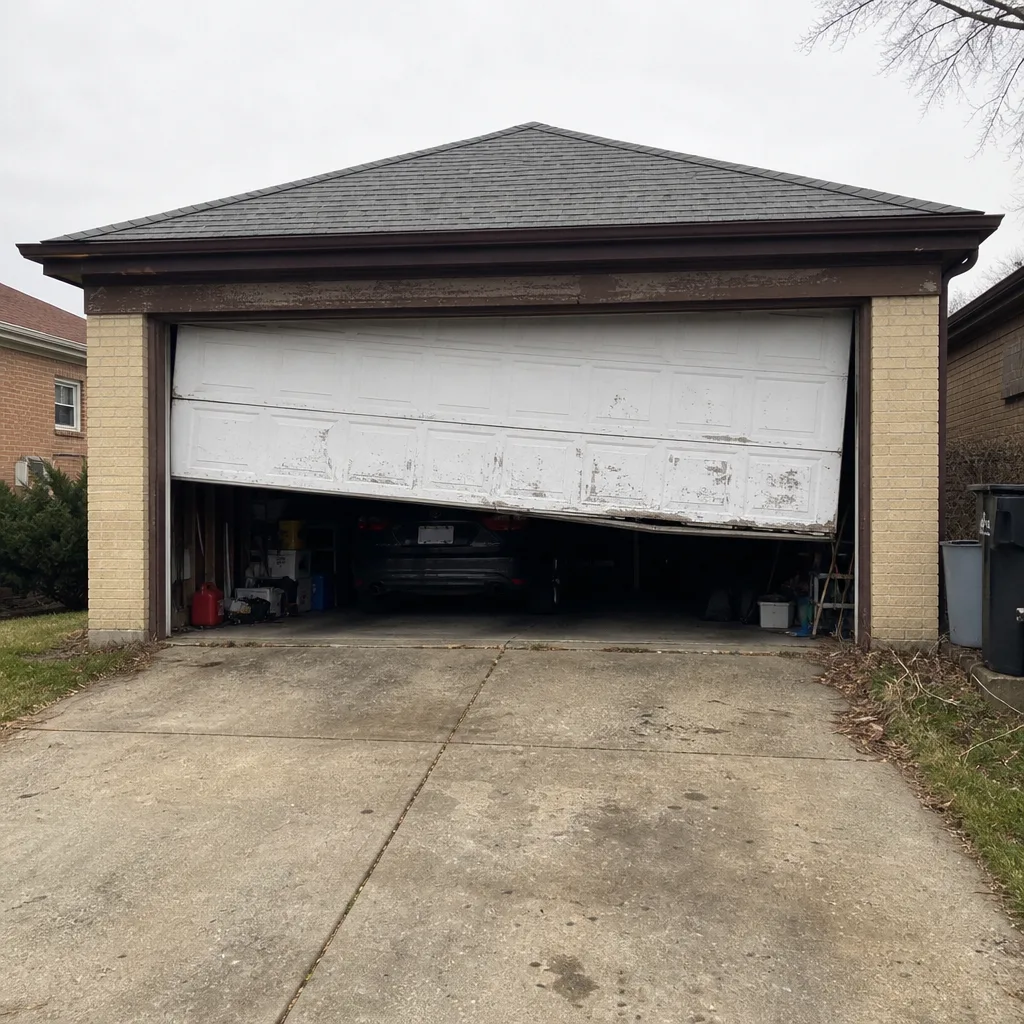 Before
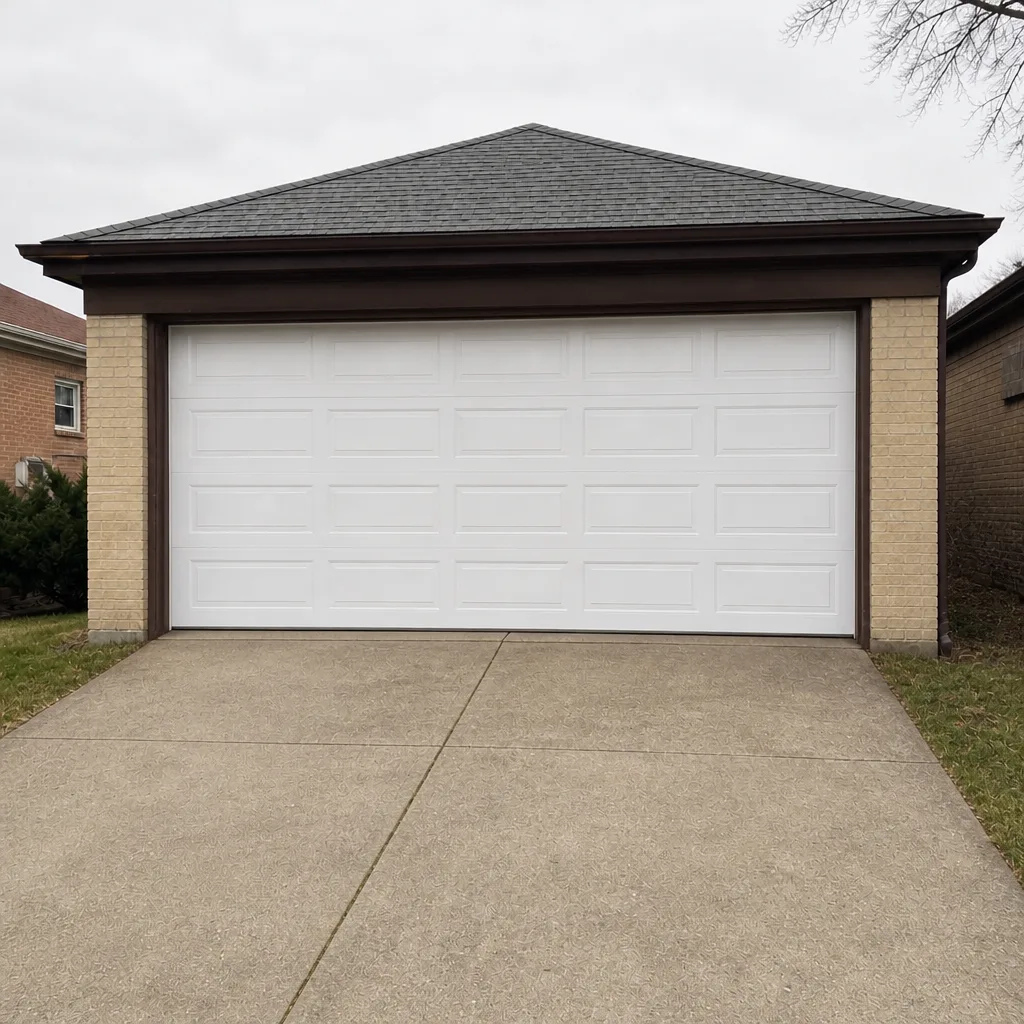 After
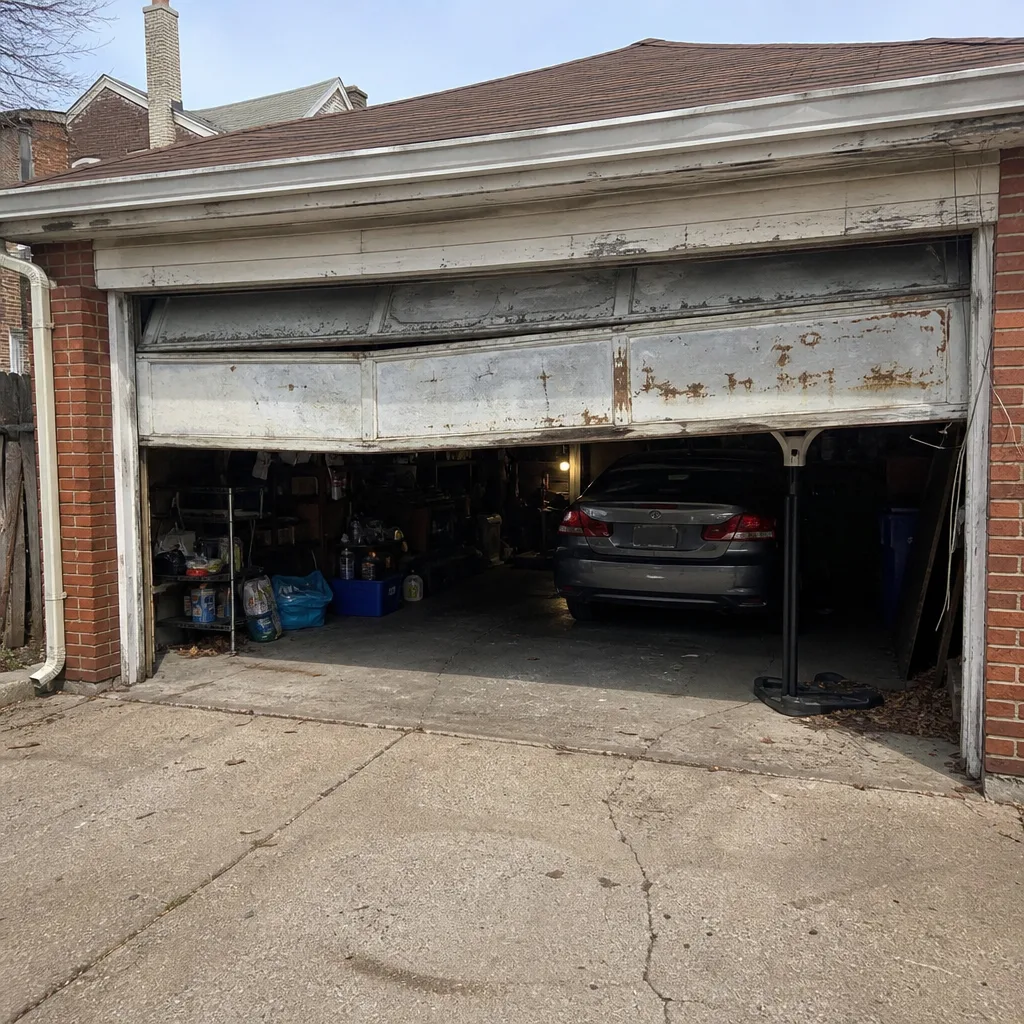 Before
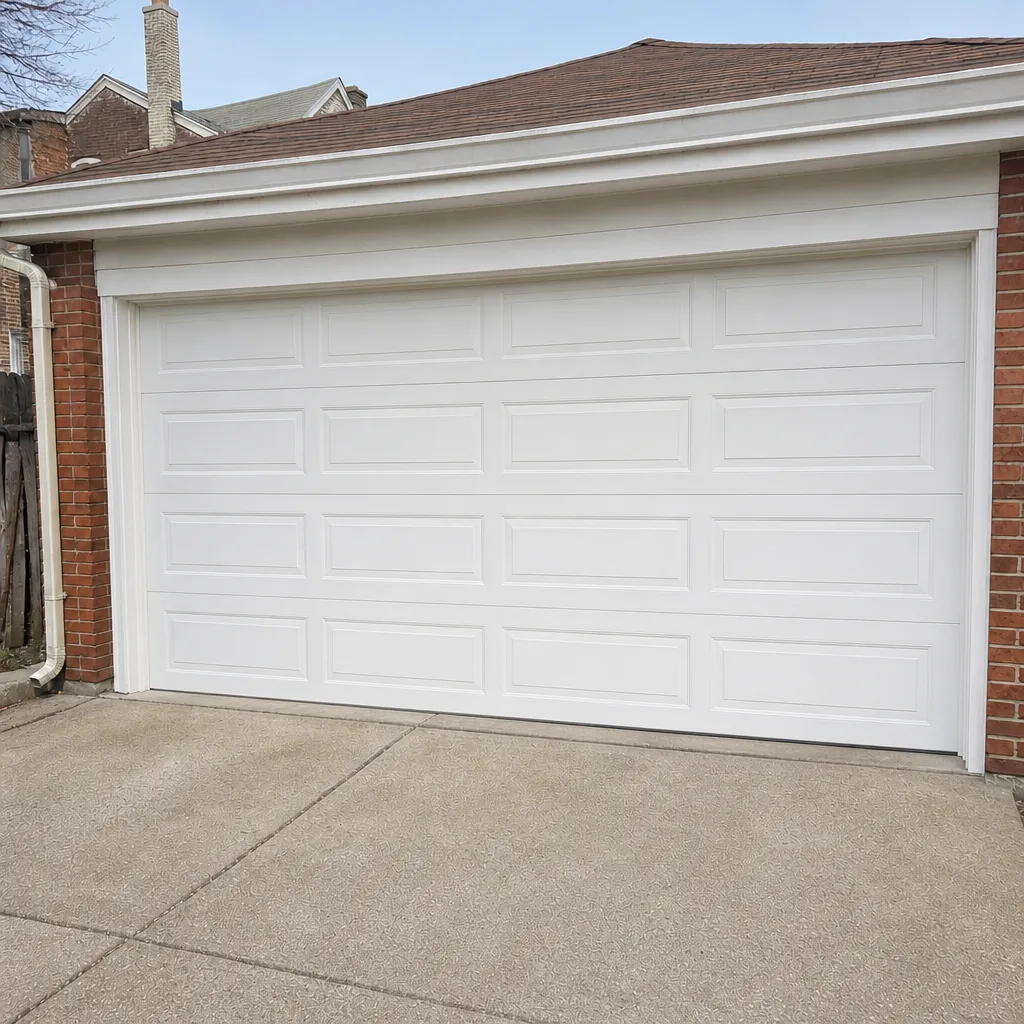 After
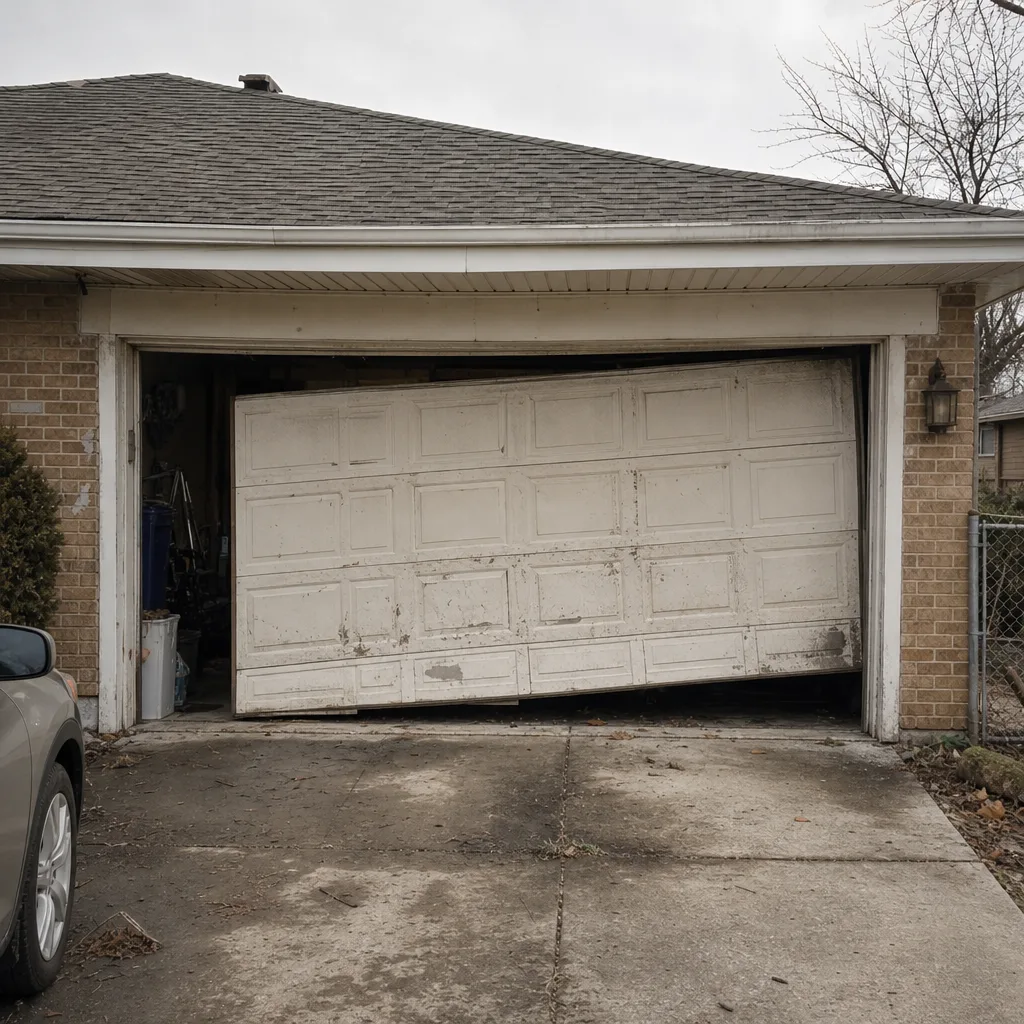 Before
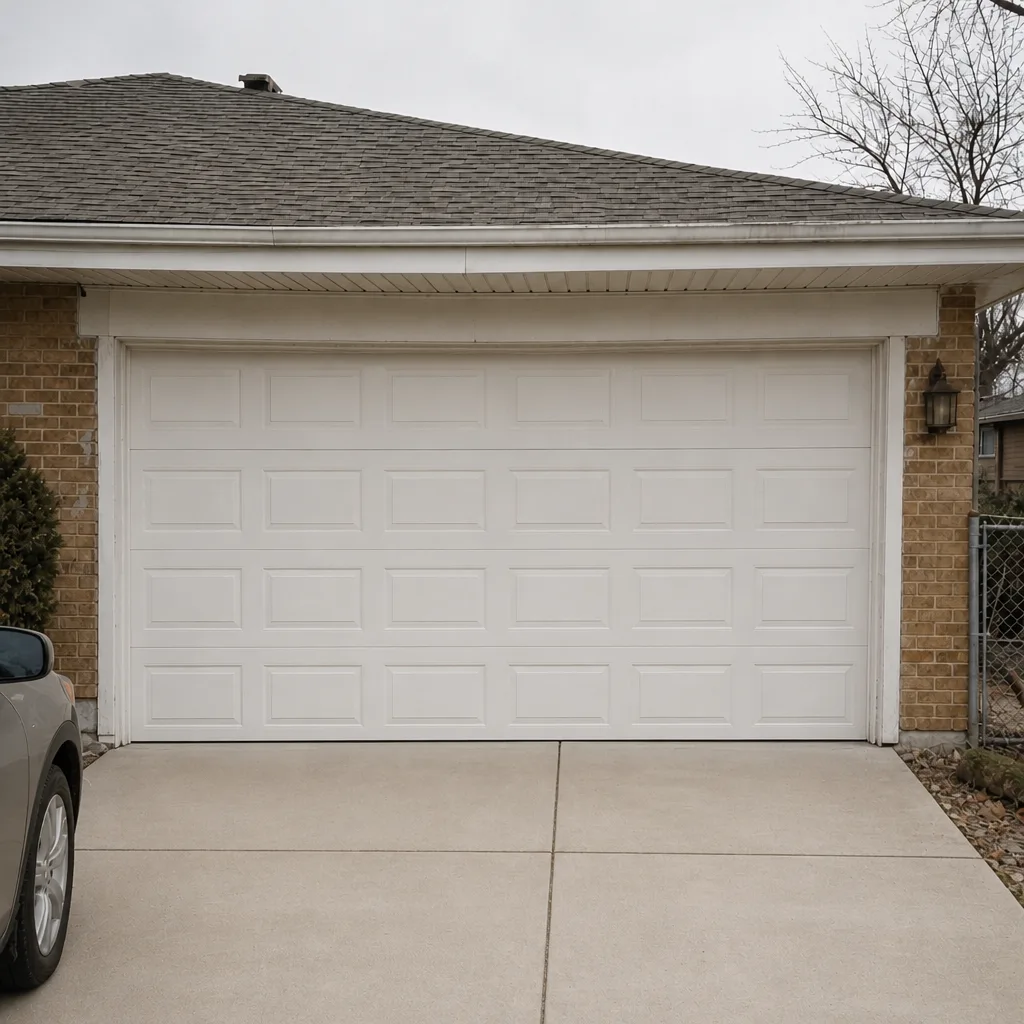 After
When to Call a Professional
Call a professional the moment the work involves a spring, a cable, a drum, a bottom bracket, or a track that has jumped or should be straightened. Call when the framing the door depends on looks soft, leaning, or out of square, and call when the opener keeps needing more force to close. Call when a repair was attempted and didn’t resolve, and call when you can’t confidently name which side of the DIY/pro line you’re on. That last one counts. If you’re trying to figure out whether it’s safe, that’s already the answer.
Garage Door Repair Chicago Lawn offers free estimates in Chicago Lawn – call (855) 658-4150. Our technicians have up to 12 years of experience and know the older garage configurations this neighborhood actually has. You’ll get a price quoted and agreed before any work starts, so there’s no surprise invoice after the door is fixed.
Frequently Asked Questions
No. Torsion spring replacement requires the correct winding bars, door lock, and sequence, and the failure mode when something slips is serious injury. In Chicago Lawn’s older garages, non-standard spring sizes and settled framing make an already dangerous job riskier. Call (855) 658-4150 for a free estimate.
Lubrication, safety sensor cleanup and alignment, manual release practice, weather seal replacement, and visual inspection are all reasonable homeowner tasks. Anything involving springs, cables, drums, bottom brackets, track straightening, or structural framing belongs to a professional. Call us to sanity-check a task before you start.
Because the springs on older doors were often engineered to a specific door weight and don’t match current off-the-shelf sizes, and because the wood framing the door depends on is decades old and often soft, out of square, or pulling away. A spring installed into tired framing can tear out. Call (855) 658-4150 and we’ll look at both the spring and the framing.
The written estimate we give you after the visit is the price you pay. Typical spring work in Chicago Lawn starts around $180 – $340 for one torsion spring, with higher costs for heavier doors, and a matched pair runs about twice a single spring. If something is different from what we expected, we’ll tell you before we touch the door, not after.
The local professionals we connect you with are licensed and insured as their state and local requirements demand. Our technicians have up to 12 years of experience, we service eight major garage door brands, and we don’t offer any trade outside garage doors. Call (855) 658-4150 for a free estimate.
It can if the work involved electrical changes to the opener circuit or structural changes to the door’s framing. Inspectors commonly flag both, and unpermitted work can delay a sale or an insurance claim. Ask your city’s building department before doing electrical or framing work, or call us for guidance on what falls under a permit in Chicago Lawn.
The Bottom Line
The DIY-versus-pro question for garage doors comes down to one line: what has stored energy and what doesn’t. Lubrication, sensor alignment, and visual inspection are genuinely yours to do. Springs, cables, drums, brackets, tracks, and framing are not, and the failure mode isn’t a mess to clean up. It’s an injury. Chicago Lawn’s older garages raise the stakes because non-standard spring setups and settled framing don’t behave the way tutorials assume, and the cost of a DIY mistake usually outweighs the service call you were trying to save. If you’re unsure which side of the line you’re on, call us and we’ll tell you straight.
Ready for a real answer on your door? Call Garage Door Repair Chicago Lawn at (855) 658-4150 for a free estimate, and we’ll quote the job before any work starts. Estimates are free, and you’ll know the price before the door moves.
Written by the team at Garage Door Repair Chicago Lawn.