Last updated November 21, 2026
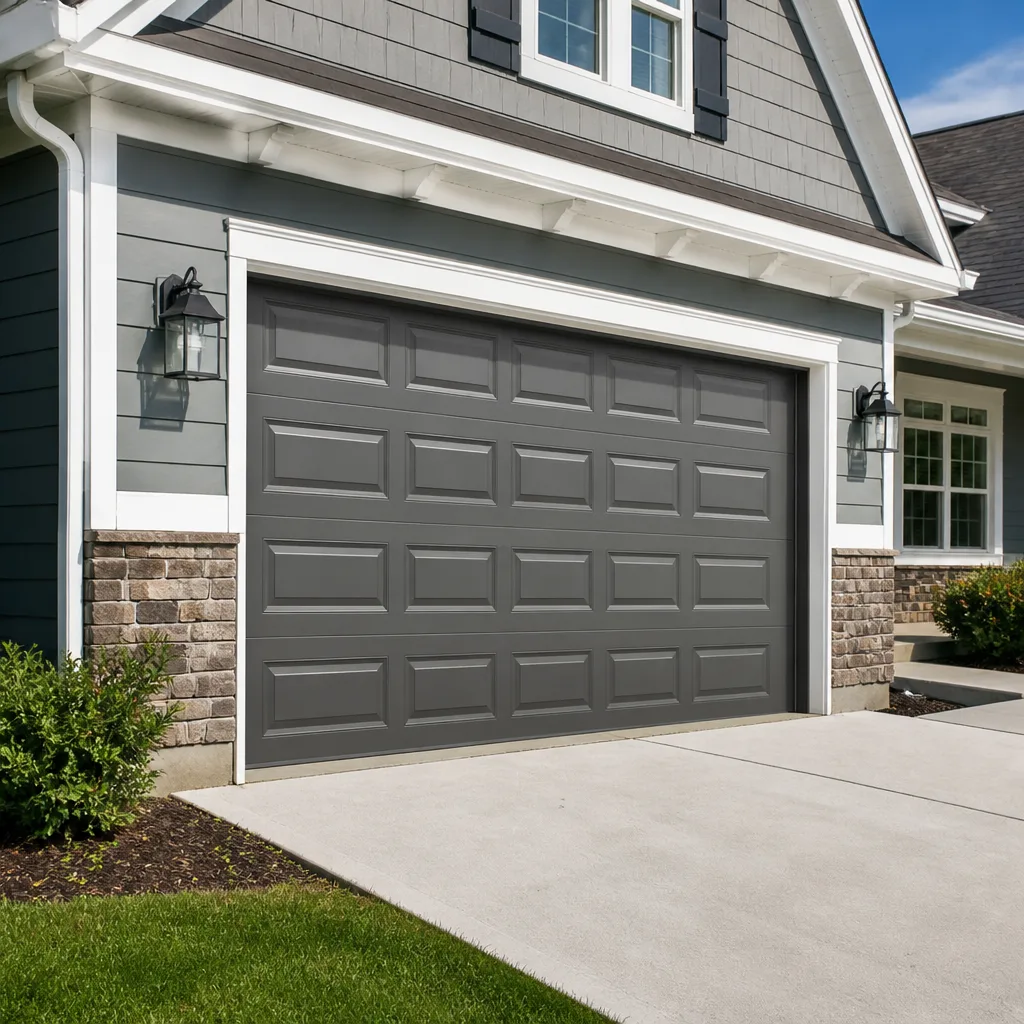 Raised-panel steel
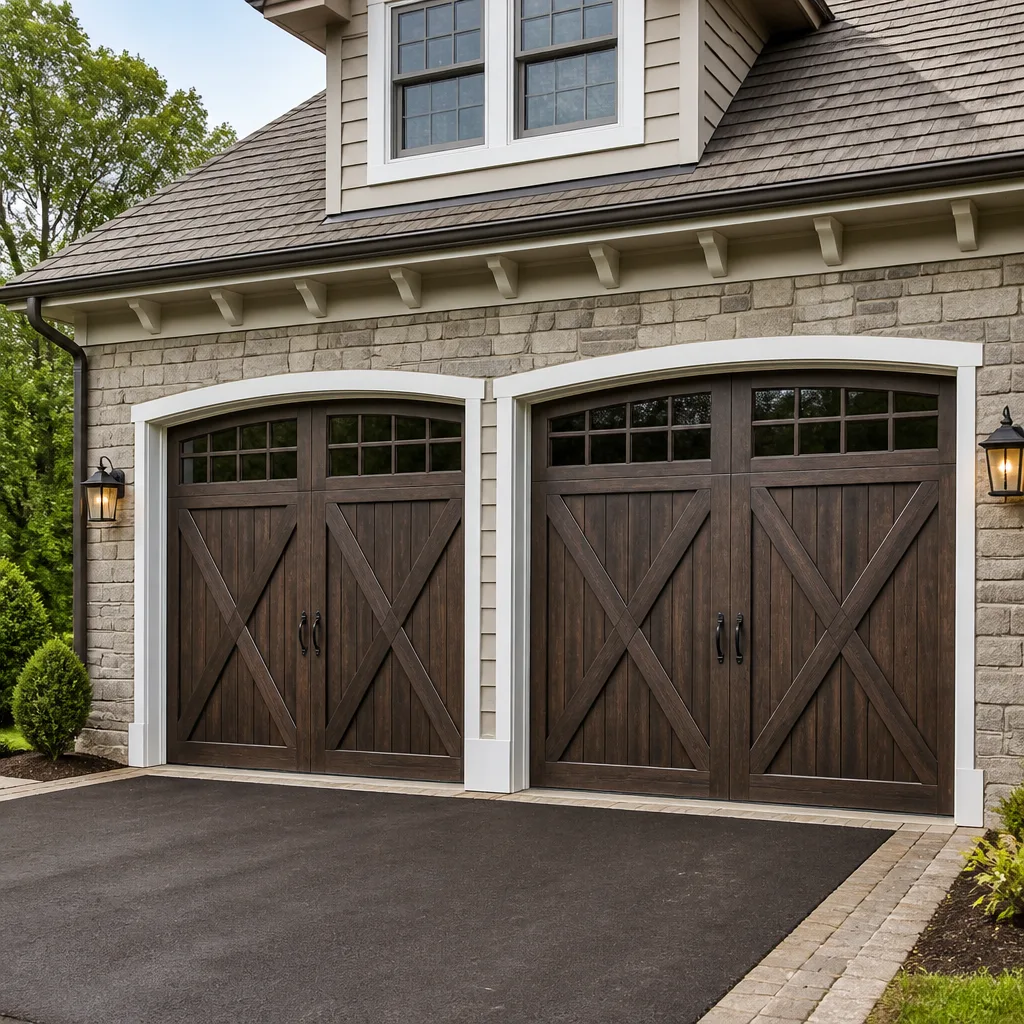 Carriage house
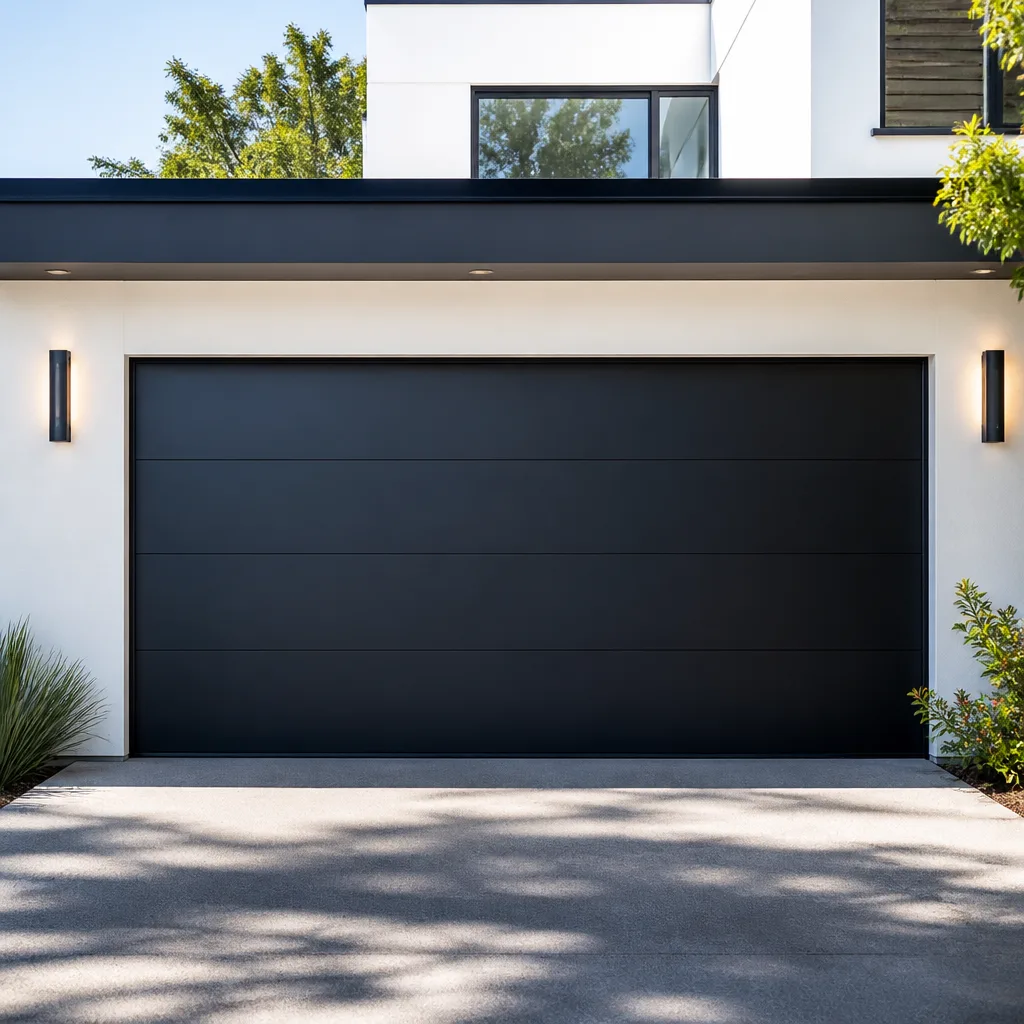 Modern flush
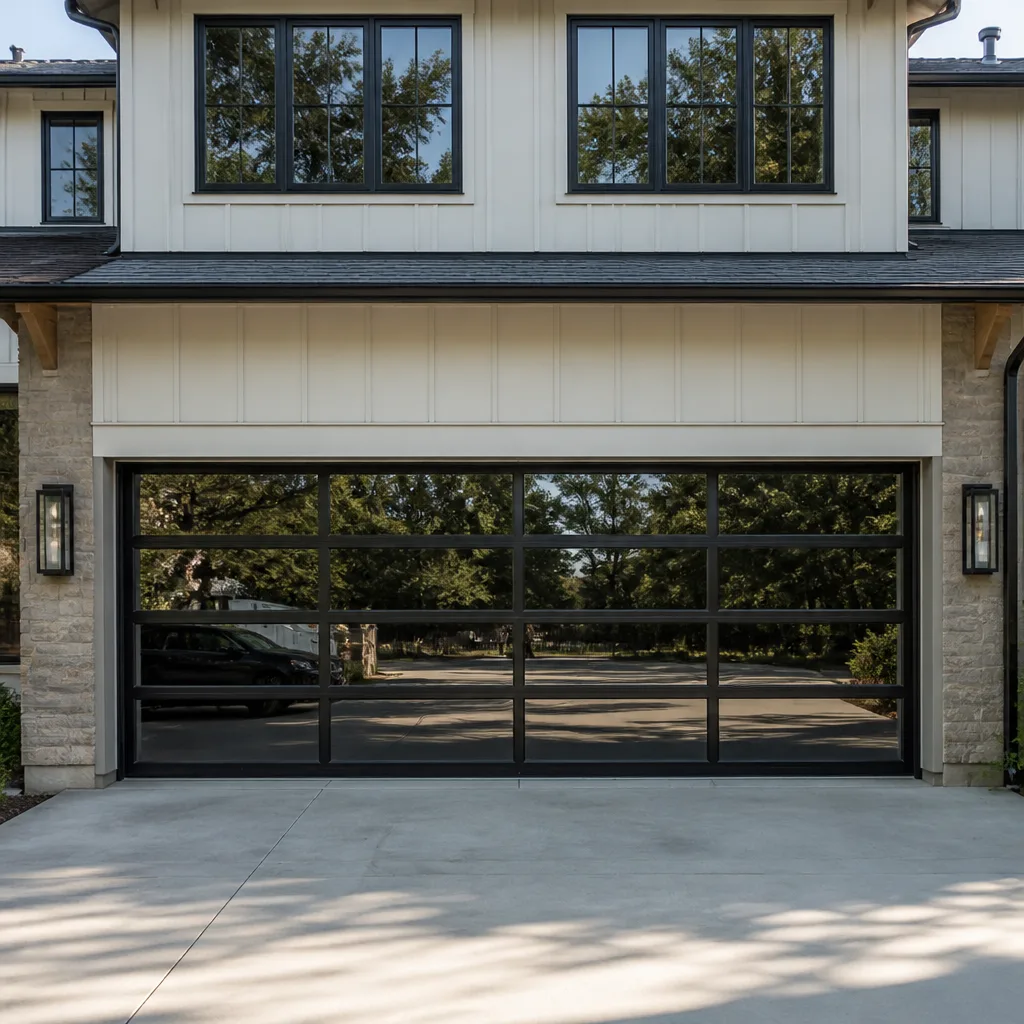 Full-view glass
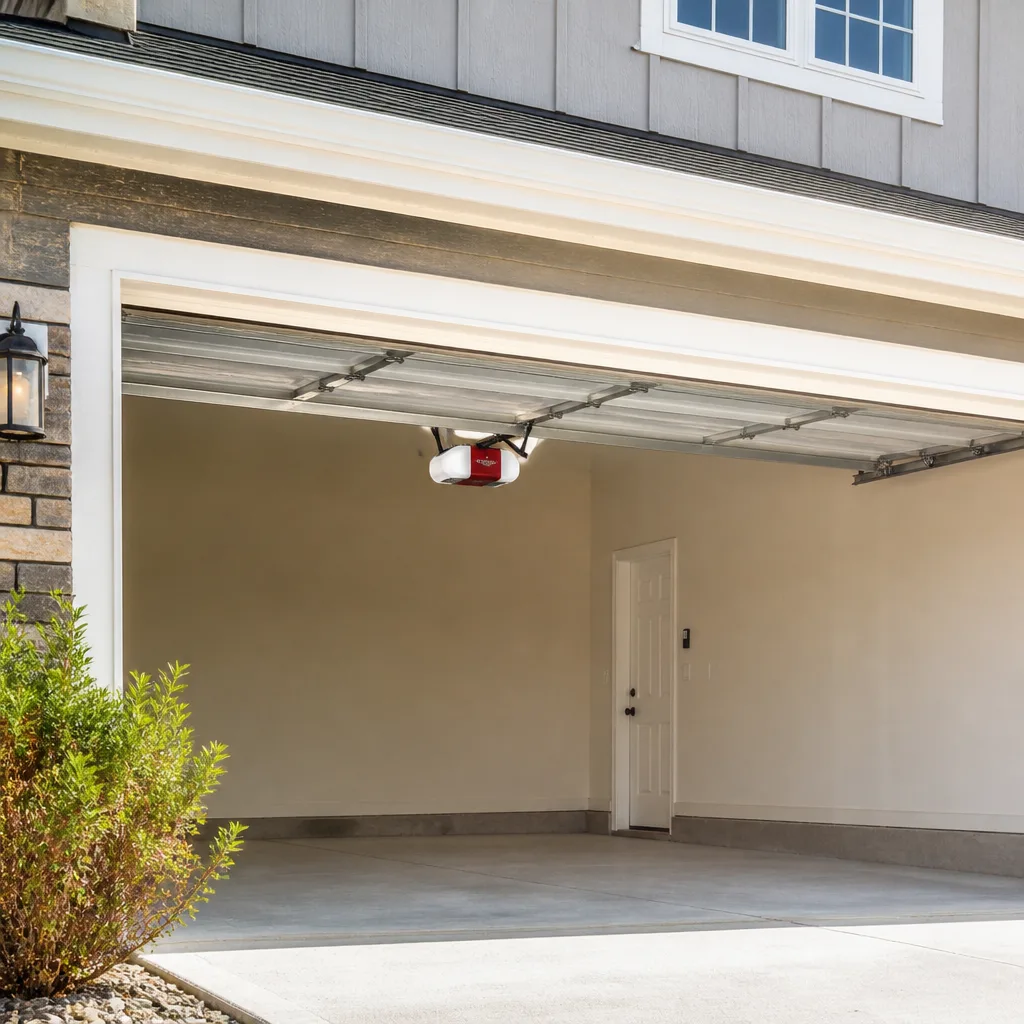 LiftMaster openers
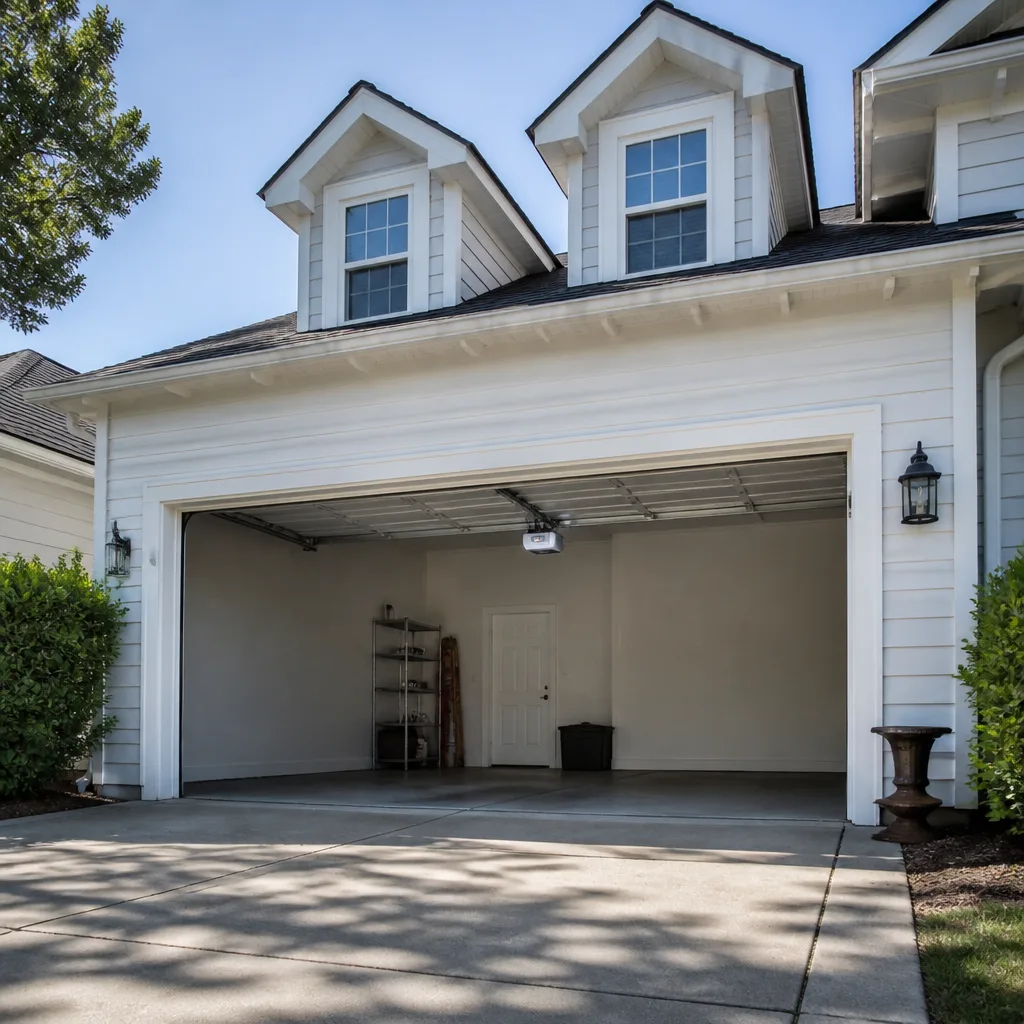 Chamberlain openers
Full 25-point door and opener safety check with every visit - springs, cables, rollers, tracks, and your LiftMaster or Chamberlain opener included
You get a price before we start. It does not change when the pro arrives.
Get your free estimateGarage Door Permits, Codes & Inspections in Chicago Lawn, IL: What You Need to Know
If you replace a garage door and your contractor never mentions a permit, that isn’t a convenience. It’s a piece of unfinished paperwork that sits in your property record until the next inspection, insurance claim or sale. Most Chicago Lawn homeowners assume garage door work is too small to bother the city. Sometimes they’re right. Often they aren’t. The line between “that’s a straight swap” and “that needs a permit” depends on what’s actually changing – the structure, the opening, the wiring, the track – not on how big the invoice is. This guide walks through exactly where that line sits in Chicago Lawn, what the city expects of attached garages, how inspections actually go, and how to keep your property record clean for the next owner.
Quick Answer
In Chicago Lawn, swapping a door of the same size into an existing, undamaged opening is generally treated as a repair and doesn’t trigger a building permit. Changing the opening itself – widening it, cutting a new one, altering the header or framing, or replacing the structural support around the door – does require a permit from the City of Chicago. Any new electrical circuit for an opener also falls under permit rules because electrical work is permitted separately from carpentry. When in doubt, call the city’s building department and describe the job in plain terms; they’ll tell you which side of the line you’re on.
Styles & brands we work with
- Raised-panel steel
- Carriage house
- Modern flush
- Full-view glass
- LiftMaster openers
- Chamberlain openers
Table of Contents
- When does garage door work need a permit in Chicago Lawn?
- When is a garage door replacement exempt?
- How does the City of Chicago code treat springs and openers (UL 325)?
- Firewall and auto-reverse rules for attached garages
- What a failed inspection actually looks like
- How permit history follows you into a sale or claim
- Pulling the permit yourself vs. having the contractor pull it
- Why Chicago Lawn’s freeze-thaw cycle matters for code compliance
When does garage door work need a permit in Chicago Lawn?
Garage door work needs a City of Chicago building permit when the job changes the structure of the building or the opening the door sits in. Replacing a door into the same rough opening is a different category. The distinction isn’t about cost or about how long the job takes. It’s about whether you’re altering the building envelope, its framing, or its electrical system.
Here’s how the two categories usually break down in Chicago Lawn:
- Permit typically required: widening or heightening the opening, cutting a new opening in a solid wall, replacing or modifying the header above the door, changing the structural framing on either side of the opening, converting a manual door to an opener that needs a new dedicated circuit, or rebuilding a garage wall that’s been damaged.
- Permit typically not required: replacing a door of the same size in an existing opening, replacing springs, cables, rollers, hinges or tracks, replacing an opener on existing wiring, or repairing a section panel that was hit and dented.
- Ask the city directly: any job that touches the firewall between the garage and the house, any change to the ceiling structure of the garage, and any situation where the old opening is out of square or has settled.
Chicago Lawn has a lot of older brick garages, and many of them sit slightly off plumb after decades of frost heave. If a new door won’t fit a settled opening cleanly, some installers will “make it fit” by trimming framing without saying a word. That’s the moment a repair quietly becomes structural work. We’d rather flag it up front and let a homeowner decide than discover it halfway through. When we’re measuring a door, we check the opening for square, look at the header, and look at how the jambs have held up. If something needs a permit, we tell the homeowner before we order anything.
The City of Chicago publishes its permit requirements through the Department of Buildings, and the staff there will talk a job through with you if you call and describe it. They’re not looking for reasons to say no. They just want to know what’s being built.
When is a garage door replacement exempt?
A garage door replacement is exempt from a building permit in Chicago when the new door goes into the same opening, at the same size, with the same structural framing, and without new electrical work. This is the most common scenario in Chicago Lawn, and it’s what most homeowners are actually doing when they call us.
Exempt doesn’t mean unregulated. It means the city doesn’t need to see paperwork. The door still has to be installed correctly, has to satisfy federal safety requirements for automatic doors, and still has to pass a home inspection at sale if the buyer’s inspector flags it. We see three categories of replacement in Chicago Lawn:
- Like-for-like replacement. Same size, same style or a close equivalent, same opening. No permit. This is the majority of residential replacements.
- Upgrade replacement. Insulated door in place of a non-insulated one, or a smart opener replacing a legacy unit on existing wiring. Usually no permit, unless the opener needs a new circuit run from the panel.
- Structural-adjacent replacement. The door size changes, the opening has to be modified, the header is replaced, or the track needs to sit somewhere it doesn’t currently sit. That moves into permit territory.
We work with Clopay, Amarr and Wayne Dalton doors often enough to know how their sizes line up against the openings you find in Chicago Lawn’s older homes. There are standard sizes that drop straight into a Chicago bungalow-style garage without touch a single stud. And there are odd sizes that come out at a width where the only way to fit the door is to adjust the opening. The difference between those two outcomes is measured, not guessed. That’s why a proper measure before ordering is worth more than a fast phone quote.
If you’re ready for that measure, you can request a free estimate for garage door installation and we’ll bring the tape, check the opening, and tell you honestly whether your job is a swap or something the city needs to see.
How does the City of Chicago code treat springs and openers (UL 325)?
Springs themselves are not a permit item. UL 325 compliance for the opener is a safety requirement, and it applies whether or not your job needed a permit. The city adopts UL 325 through its building code and the federal safety standard applies to every automatic garage door operator sold in the United States. In plain terms: your opener has to have working entrapment protection, and it has to be installed the way the manufacturer says.
UL 325 covers a set of behaviors every opener in Chicago Lawn has to satisfy:
- Primary entrapment protection. An auto-reverse function that senses an obstruction and reverses the door without requiring the homeowner to act. On modern openers this is usually a combination of a pressure sensor in the operator and a photo-eye across the opening. On older units it’s often the pressure sensor alone.
- Photo-eye alignment. The two small sensors on either side of the door, near the floor. If they’re misaligned or dirty the door won’t close, which is the point. Bypassing them or taping them off is a code violation and a genuine safety problem.
- Manual release. The red handle and rope that disconnects the door from the opener so it can be operated by hand.
- Installation per manufacturer instructions. The door has to be balanced and the opener mounted at a height and position that the manufacturer supports.
Springs matter here because an opener can’t safely do its job over a door that’s out of balance. A torsion spring that’s lost tension makes a door feel heavy, and a door that feels heavy defeats the pressure sensor because the opener can’t tell the difference between weight and an obstruction. When we get called to a LiftMaster or Chamberlain opener that’s behaving oddly, the problem is often the door’s spring tension, not the electronics. Screens on the opener are telling the truth; the spring is the liar.
We tune and replace torsion and extension springs as a core part of what we do, and we check opener compliance while we’re there. If your opener is a legacy Craftsman unit with a failing pressure sensor, we’ll tell you whether it can be brought into compliance or whether it’s time for a modern LiftMaster or Chamberlain unit with myQ support. We also handle the full range of openers on the market, and you can read about that at our garage door opener repair page. For Chicago Lawn homeowners, the takeaway is straightforward: opener safety features are not optional, and they don’t care whether you pulled a permit.
One word of caution on springs. Torsion and extension springs are under enormous tension, and a spring or cable that lets go can cause serious injury. We don’t recommend homeowners adjust, cut, or replace them, and we don’t give step-by-step instructions for that work. A trained technician has the winding bars, the tools and the experience. That’s the right call every time.
Firewall and auto-reverse rules for attached garages
Attached garages in Chicago Lawn – and a lot of the neighborhood’s garages are attached or semidetached – have to satisfy firewall rules for the wall separating the garage from the living space. The wall has to resist fire for a period set by the city’s building code, and any door into the house has to be self-closing and self-latching. When garage door work touches anything near that separating wall, the firewall rules come into play.
Here’s what that looks like in practice:
- The separating wall itself. If your garage door replacement requires opening up the wall behind the track assembly, or if the track mounts on or near the firewall, the installer has to keep the fire separation intact. A hole in drywall for a new track anchor is fine. Cut a chase through the firewall and you’ve created a code problem.
- The garage-to-house door. That door has to self-close and self-latch. If your garage door opener install involves re-routing anything around the entry door to the house, check that the door still closes on its own.
- Patching and fire-rated materials. If the firewall is opened for any reason, it has to be sealed again with fire-rated material. Standard joint compound is not a substitute.
- Ceiling assemblies. Some Chicago Lawn garages have a fire-rated ceiling as part of the separation. Mounting an opener bracket to a rated ceiling is fine if the holes are small, but don’t cut into the ceiling assembly.
Auto-reverse rules tie in here as well. A door unable to reverse due to a misaligned photo-eye can’t be left that way, and an attached garage where the door opens into the house is a place where entrapment hazards matter more, not less. If an inspection flags your auto-reverse, it’s not a small thing and it isn’t going to fix itself.
The other firewall rule that catches Chicago Lawn homeowners is the one around attached garage doors that were modified by an earlier owner. If the previous family cut a hole through the firewall for a wire run and never patched it, you’re responsible for it now. When we’re on a job we look for that. It’s not our work to fix, but it’s the kind of thing a homeowner should know about before they sell.
What a failed inspection actually looks like
A failed inspection in Chicago isn’t a dramatic moment. It’s a piece of paper or an email with a list of items that need correction and a re-inspection fee. That’s the short version. The long version – what it can cost you later – is what most homeowners want to know, and it’s fair.
Here’s what happens in sequence when someone pulls a permit for garage door work in Chicago Lawn:
- Permit application. The homeowner or contractor submits plans or a description of the work to the Department of Buildings. For a straightforward door install, it’s usually a simple application.
- Plan review and approval. The city reviews what’s being proposed and either approves it or asks for changes. Most small residential jobs don’t need engineering drawings.
- Work performed. The door is installed to the scope of the approved permit. Deviating from that scope is a problem at inspection.
- Inspection. An inspector verifies the opening, the framing, the track mounting, any electrical work, and the safety features of the opener. For an attached garage, the firewall may be checked too.
- Pass or correction list. If anything misses, the inspector issues a correction list and a re-inspection with a new date.
Common reasons a garage door inspection fails in Chicago Lawn:
- Photo-eye sensors positioned too high or misaligned with the door’s travel.
- Opener mounted without the manufacturer’s bracket or without the manual release working as specified.
- Header or framing modified in a way that doesn’t match the approved scope.
- Firewall penetration left unsealed after wiring or track work.
- A door that wasn’t balanced correctly, so the opener’s force settings are cranked up beyond what the manufacturer allows to make it close.
None of these are dramatic. All of them are fixable. But a re-inspection adds time, sometimes weeks, and the homeowner is the one holding the bag if the contractor has already moved on. We’re not the company that walks away from a failed inspection, and the reason is simple: we do the work to the scope of the permit in the first place.
How permit history follows you into a sale or claim
Illinois residential real estate transactions include a seller’s disclosure. That disclosure covers known material defects and, depending on the transaction, work done without permits. It’s not a perfect system. Some sellers don’t know what questions to ask. That doesn’t matter when a buyer’s inspector flags unpermitted structural work on a garage, or when an insurance adjuster asks to see the permit history behind a modified opening after a storm claim.
Here’s the practical version for Chicago Lawn homeowners:
- Unpermitted structural work shows up at resale. Buyers’ inspectors look at garage openings that have been altered. If there’s no permit on file with the city, they’ll flag it. You’ll be negotiating over it, either with money or with a delayed closing.
- Insurance claims can be denied for code violations. If an insurer discovers that the work behind a claim was done in violation of code, the outcome can be complicated. That’s not a scare tactic; it’s how property claims work.
- Records with the city are searchable. Anyone can pull the permit history of a Chicago property. A buyer’s agent can do it before the contract. It’s not hidden.
- Undoing the problem is more expensive than doing it right. A retroactive permit for structural work generally costs more than the original permit because the city has to verify work that was already done.
For a straight like-for-like replacement with no permit needed, none of this applies. But if a homeowner upgrades to a wider door, or an installer frames a new opening, or the job slipped into structural territory because the opening was out of square, the permit is the paper trail that keeps the record clean. When we do an installation, we provide a written scope so the homeowner has their own documentation regardless of whether a permit is involved. That scope is useful twenty years from now.
Pulling the permit yourself vs. having the contractor pull it
A Chicago Lawn homeowner can pull a permit for their own garage door work. Some people do it. The catch is that a homeowner-pulled permit puts the liability on the homeowner. A contractor-pulled permit puts it on the contractor, and from a documentation standpoint, that’s usually the better setup. Here’s the process for each.
Pull the permit yourself
- Call or visit the Chicago Department of Buildings to describe the work. Ask which permit applies and what documents they need.
- Submit the application in your name as the owner. For residential work, most applications can be handled electronically.
- Pay the permit fee. The fee varies by scope, so ask for a specific quote before you commit.
- Schedule the inspection yourself once work is complete. The inspection is your responsibility, and so is any correction work.
- Keep every record – permit, inspection report, and the written scope of the work – in your home file.
Have the contractor pull the permit
- Confirm in writing that the contractor will handle the permit, not just the install.
- Ask for the permit number before work starts and keep it.
- Confirm who schedules the inspection and who pays for re-inspection if it fails.
- Ask for a copy of the approved permit and the final inspection sign-off at completion.
- File those documents alongside your home documents so they’re on record for a future sale or claim.
The second option is cleaner because when the contractor pulls the permit, the contractor is on record as the party responsible for the work meeting code. That’s a stronger paper trail if something goes wrong five years later. It’s also the version that keeps the homeowner out of the middle of a re-inspection conversation.
We encourage homeowners to ask about permits up front, even when we’re the ones who’ll tell them no permit is needed. We work with Clopay and Amarr installations often enough to know when a job is going to be a plain replacement and when it’s going to require a trip to the city. A clear conversation before work starts saves everyone a headache. For general repair work, you can see the range of what we handle at our garage door repair page.
Why Chicago Lawn’s freeze-thaw cycle matters for code compliance
Chicago Lawn sits on the southwest side of Chicago, and its winters are hard on anything metal, wooden and outdoor. The freeze-thaw cycle runs through the ground here as much as anywhere in the region, and it affects the framing that holds a garage door opening. Doors that fit perfectly in July can stick in January, and openings that measured square in fall can go slightly out of square by spring. This isn’t a code issue by itself. It becomes one when an installer compensates for a shifted opening by adjusting framing instead of addressing the actual problem.
What that usually looks like in Chicago Lawn:
- Heaved thresholds. The sill under the door rises with frost and settles again each spring. A door installed tight in winter will drag in summer. A door installed loose will let in cold air.
- Shifted jambs. Older brick garages in the neighborhood often have wood jambs bolted to masonry. Decades of freeze-thaw can push them slightly in or out. If a new door is ordered before that’s noticed, it won’t fit.
- Spring tension drift. Cold weather makes springs behave differently. A torsion spring set correctly in summer can feel heavy in January. That doesn’t mean it needs replacement; it may just need adjustment, but the inspection matters.
- Opener force settings. When a door starts binding because the opening shifted, homeowners often turn the force setting up on the opener. That’s the wrong move – it’s the symptom, not the cause. UL 325 exists because doors that force through obstructions cause injuries.
This is why we suggest a fresh measure whenever a homeowner is replacing a door. The opening that was measured fifteen years ago might not be the opening you have now, and the size that drops straight in is the one that fits the current state of the framing. When a permit is involved, the scope of the approved work is also the framing that’s actually there, so measuring properly keeps the permit and the work aligned.
Chicago Lawn homeowners get the most value out of a garage door conversation when they treat it as a 20-year decision, not a five-year one. A door that fits right, an opener that complies with UL 325, and a clean permit record when a permit is needed – that’s what stays useful. If you’d like a free estimate for repair work or a measure for a replacement, you can reach us at garage door repair Chicago Lawn.
Common Mistakes to Avoid
- Assuming all replacements are exempt. Same-size replacements usually are. Growing the opening, or discovering the current opening is out of square and needs real work, changes the classification. Check before the door is ordered, not after it arrives.
- Letting the installer trim the opening without a permit. In Chicago Lawn’s older garages it’s tempting to “just notch the jamb” to make a new door fit. That’s a structural change. If the fit needs that much adjusting, the door is the wrong size.
- Taping over photo-eye sensors. A door that gets closed more easily with the sensor taped off is a door that can close on a person or a pet. It’s also a UL 325 violation and an inspection failure waiting to happen.
- Cranking up the opener’s force setting. When the door starts dragging, some homeowners turn the force setting up instead of finding the actual cause. A binding roller or a slack spring is the real problem, and forcing through it wears out the opener and ignores a safety feature.
- Handling springs yourself. Torsion and extension springs are the single most dangerous component on a garage door. We don’t recommend homeowner adjustment, and we don’t give instructions for it. That’s a trained technician’s job every time.
- Skipping the permit when the contractor offers to. A contractor who offers to “skip the paperwork” is offering to leave you with the liability. The permit is cheap compared to the correction.
- Forgetting the firewall. Any penetration through the wall separating a Chicago Lawn attached garage from the house has to be sealed with fire-rated material. A hole left unpatched after track work or wiring is a code problem the homeowner inherits.
See the difference
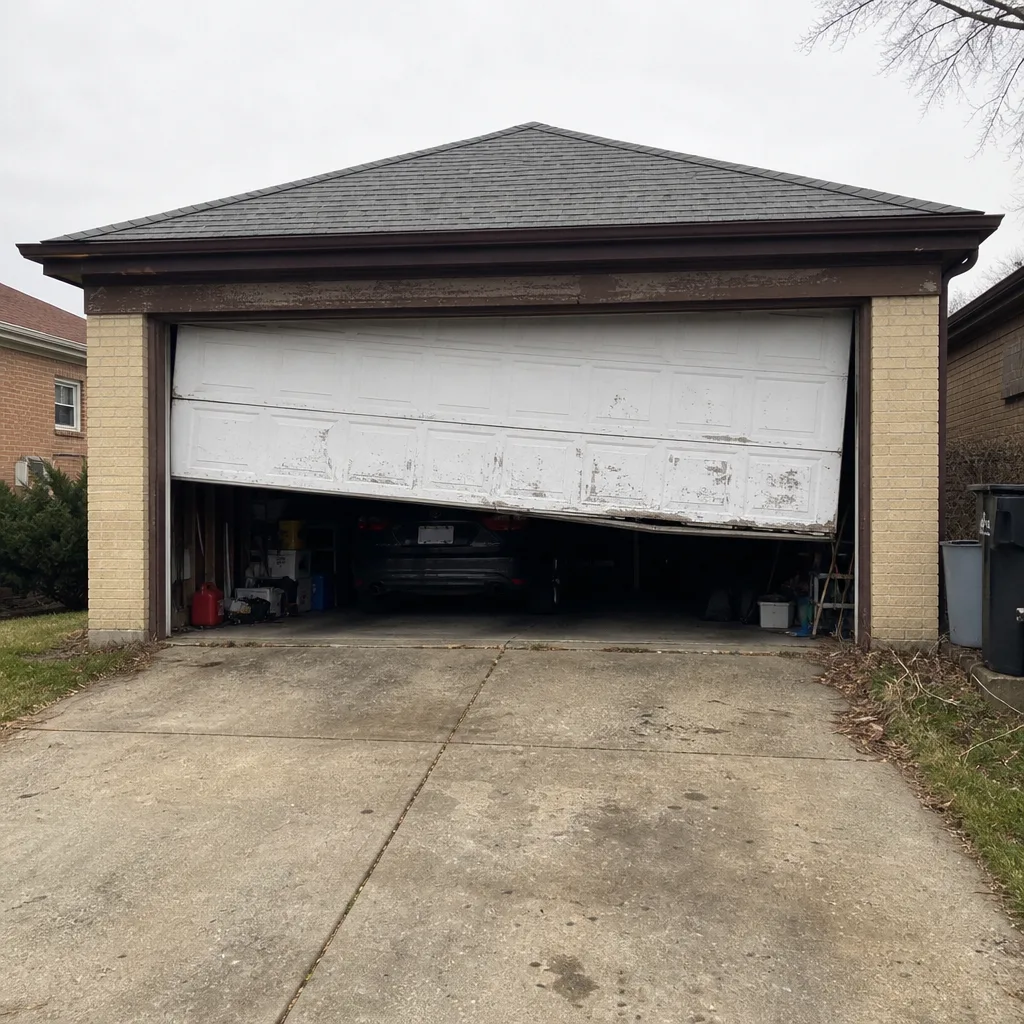 Before
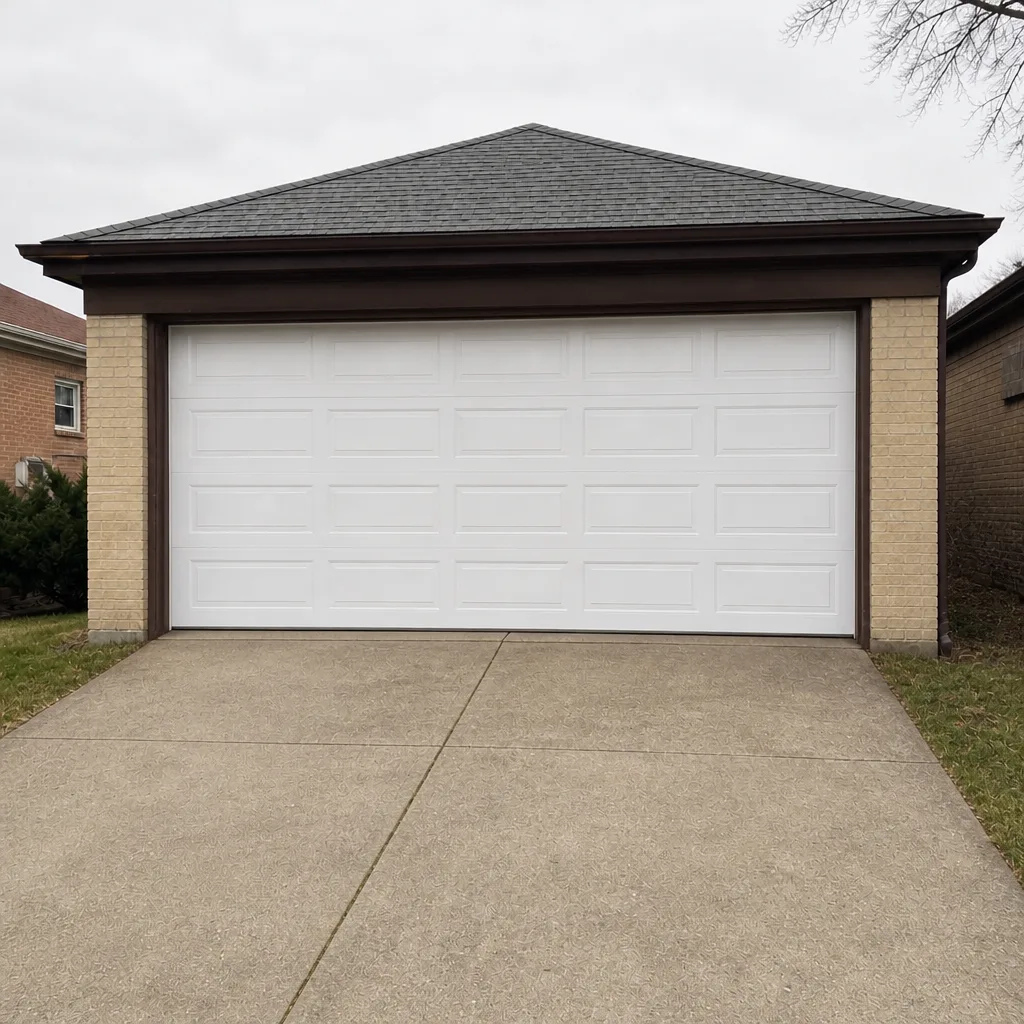 After
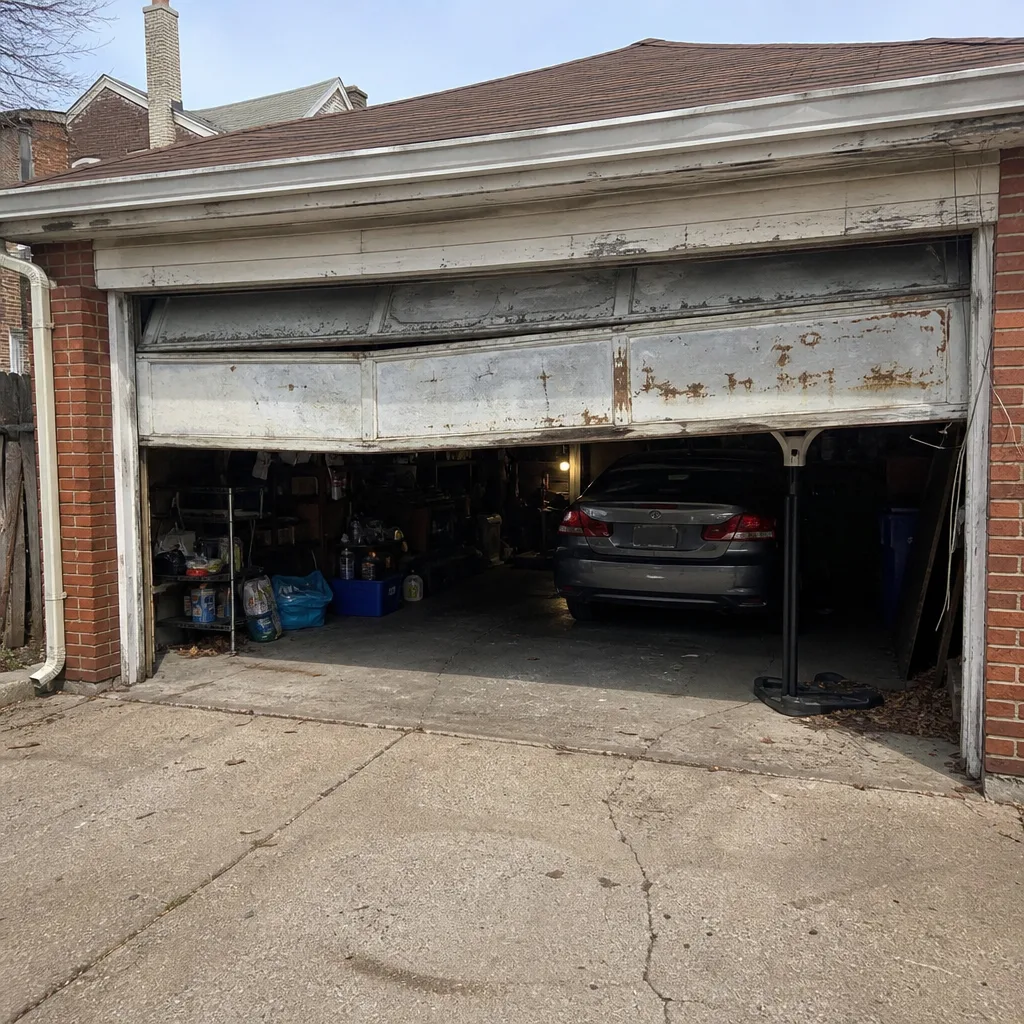 Before
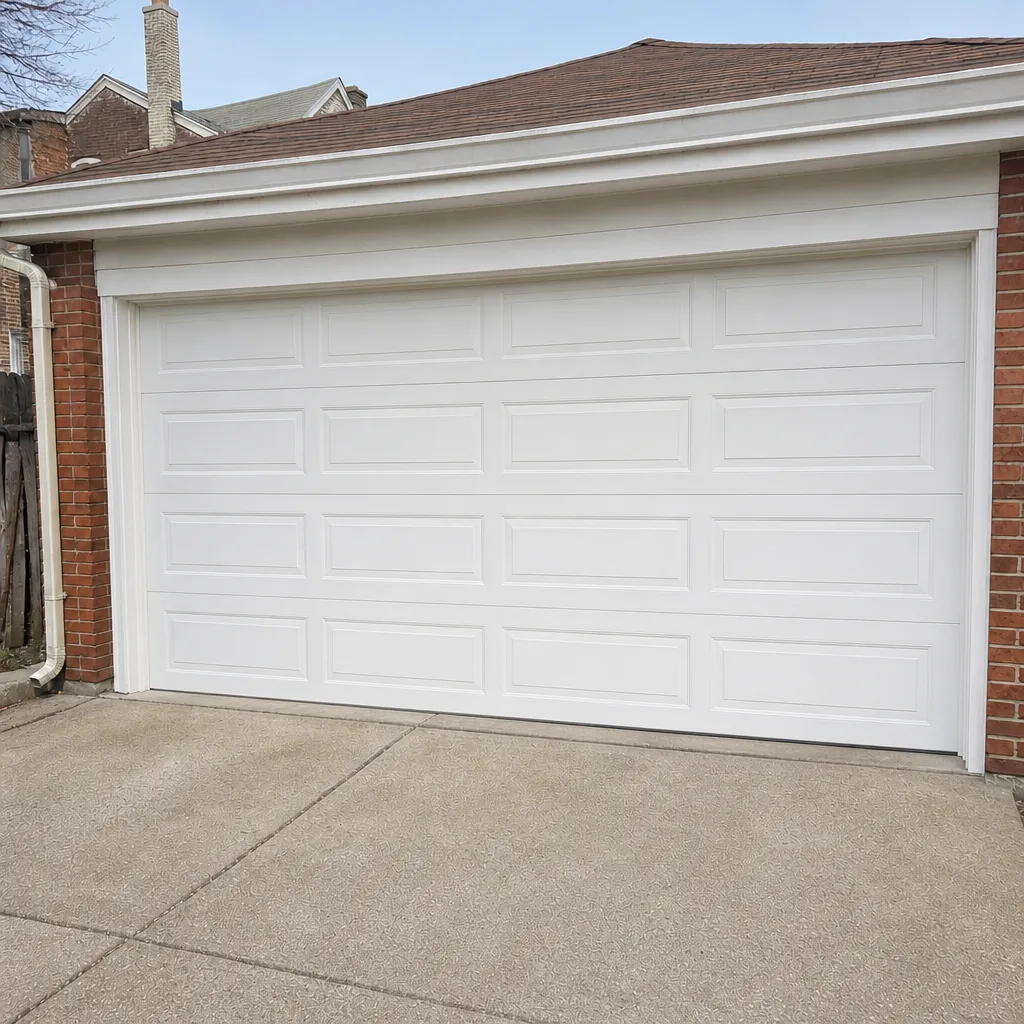 After
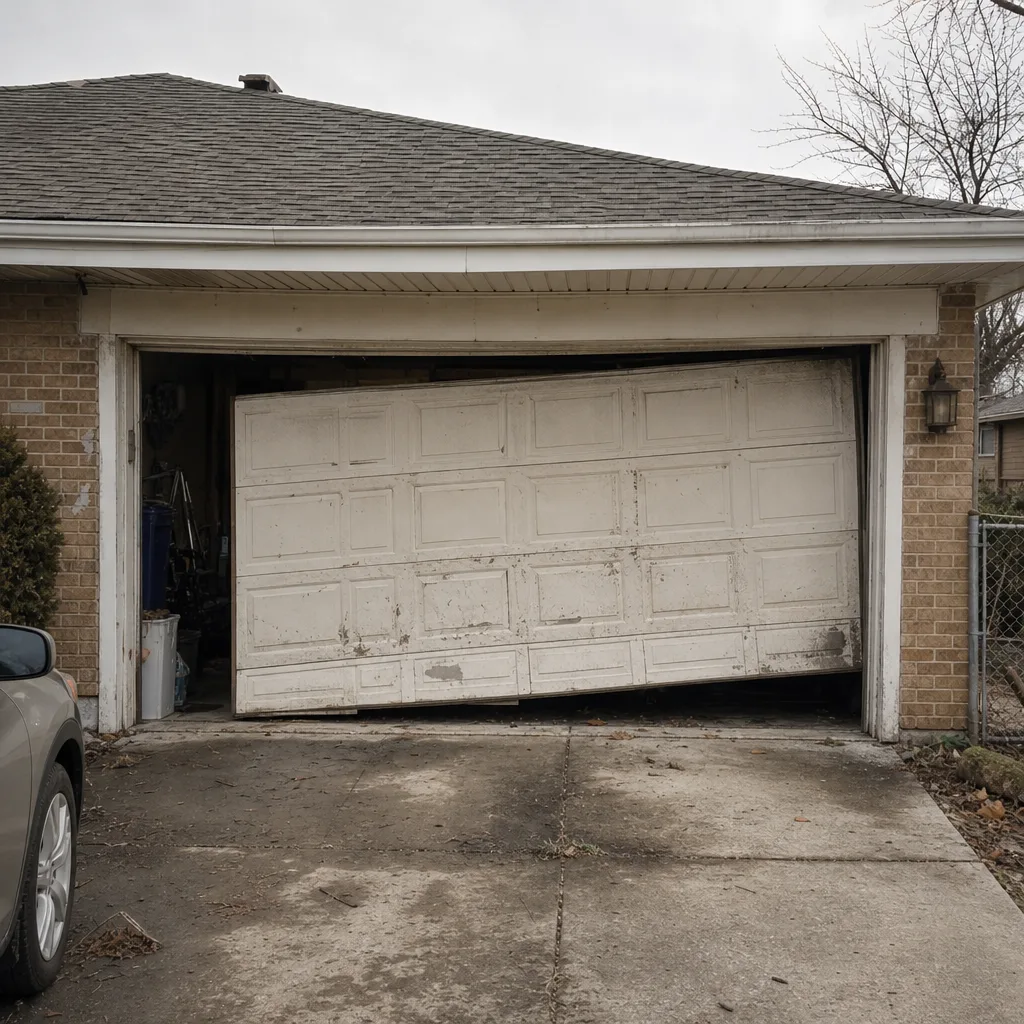 Before
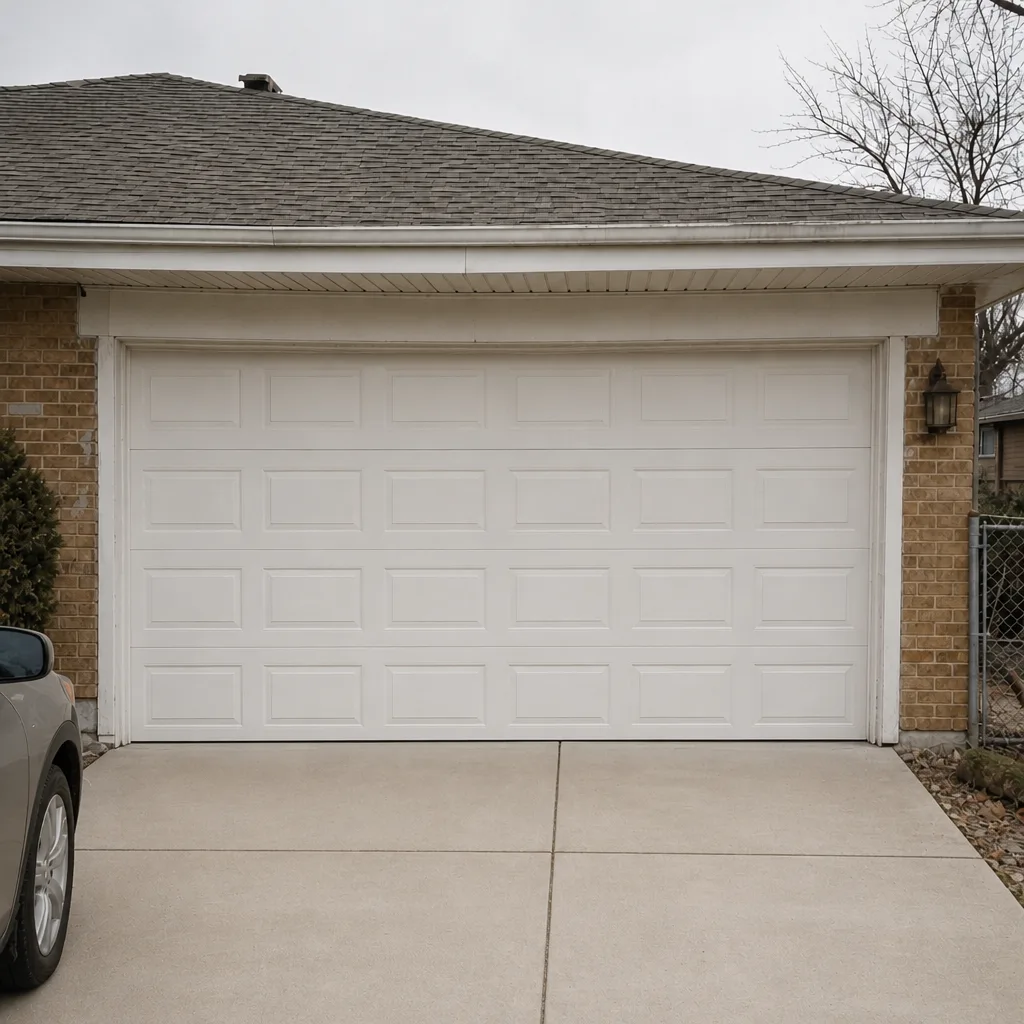 After
When to Call a Professional
Call a professional when the job involves springs, cables or an opener that won’t reverse. Those are the scenarios where a mistake causes real injury. Call us as well when your new door isn’t fitting right, when your existing door has settled or shifted enough that the opening is questionable, or when you’re not sure whether your job needs a permit and you want a trained eye on it before anything is ordered. We look at the opening, the header, the framing and the opener, and we tell you what we see. Garage Door Repair Chicago Lawn offers free estimates in Chicago Lawn – call (855) 658-4150 and we’ll walk you through what your specific job involves.
Frequently Asked Questions
Usually no, if the new door goes into the same opening at the same size with no structural or electrical changes. If the opening has to be modified – widened, cut new, or reframed – you do need a permit from the City of Chicago. Call (855) 658-4150 for a free measure and we’ll tell you which category your job falls into before anything is ordered.
Yes. A homeowner can pull a permit for work on their own property through the Chicago Department of Buildings. You’d submit the application, pay the fee, and schedule the inspection yourself, and you’d also be responsible for any correction work. Many homeowners have the contractor pull it instead, because that puts the responsibility for code compliance on the contractor, which is a cleaner record for future resale or insurance claims. Call (855) 658-4150 to ask what a contractor-pulled permit looks like for your job.
Yes. UL 325 is the federal safety standard that applies to every automatic garage door opener regardless of whether the job required a permit. It requires entrapment protection, working photo-eyes or a pressure sensor, a manual release, and installation per manufacturer instructions. The city adopts it through its building code, so an inspection will look for it, and a home inspector at resale will look for it too. Call (855) 658-4150 for a compliance check on your opener.
You receive a correction list and a re-inspection date, and any items on the list have to be fixed before the re-inspection is scheduled. Common failures include misaligned photo-eyes, an opener mounted outside the manufacturer’s spec, an unbalanced door with a force setting cranked up, or an unsealed firewall penetration. Correctable, but it takes time. Call (855) 658-4150 for a free estimate on correction work.
No. Spring replacement is repair work and does not require a building permit in Chicago. Springs are also the highest-risk component on the door, so the absence of a permit doesn’t mean the work is trivial. Torsion and extension springs are under serious tension, and we don’t recommend homeowners attempt this. A trained technician has the tools and the experience to do it safely. Call (855) 658-4150 to schedule a spring repair.
It can. Illinois residential sales include a seller’s disclosure, and a buyer’s inspector who sees altered structural work on a garage will check whether a permit exists with the city. If nothing is on file, you’ll likely be negotiating a delay or a price reduction. Insurance claims can also be complicated by code violations discovered during a claim. Call (855) 658-4150 and we’ll walk through what’s on record for your property before you list.
The Bottom Line
Chicago Lawn homeowners get the permit question right by asking one simple question before work starts: is anything changing about the opening, the framing or the electrical, or is this a straight swap? A same-size replacement into an undamaged opening is exempt. Structural changes, new openings, and new circuits need a permit from the City of Chicago. Springs and openers aren’t permit items but they are safety items, and UL 325 applies either way. Respect the firewall on attached garages. Keep your records. And ask the contractor who’s on the hook for compliance. That paper trail is worth more than the permit fee.
If you’d like a trained eye on your job before you commit to a permit decision, we’re happy to help. We handle repair, spring work, opener work, parts and full installation, and we work on LiftMaster, Chamberlain, Genie, Clopay, Amarr, Wayne Dalton, Craftsman and Raynor equipment often enough to know what your specific door needs. Call (855) 658-4150 for a free estimate. The price is quoted and agreed before any work starts, so there are no surprises on the invoice.
Written by the team at Garage Door Repair Chicago Lawn.