Last updated November 21, 2026
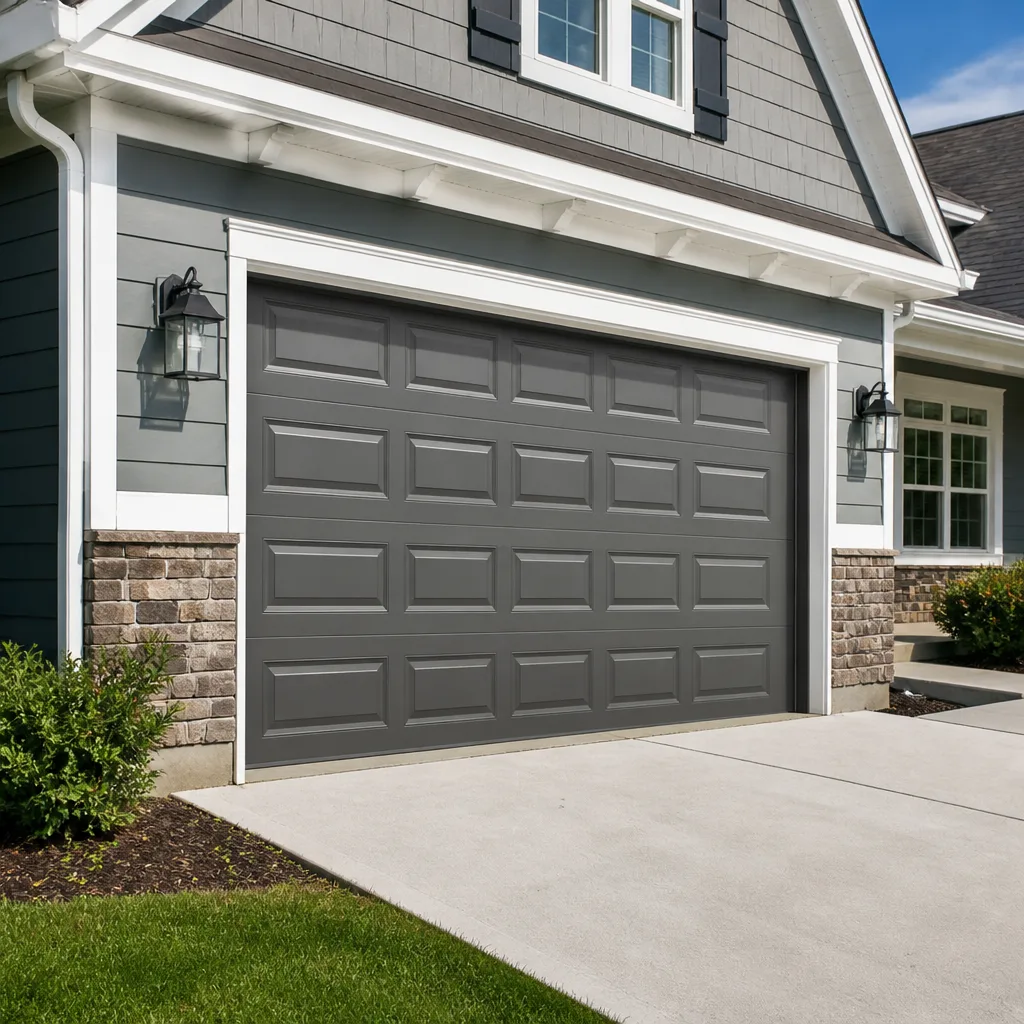 Raised-panel steel
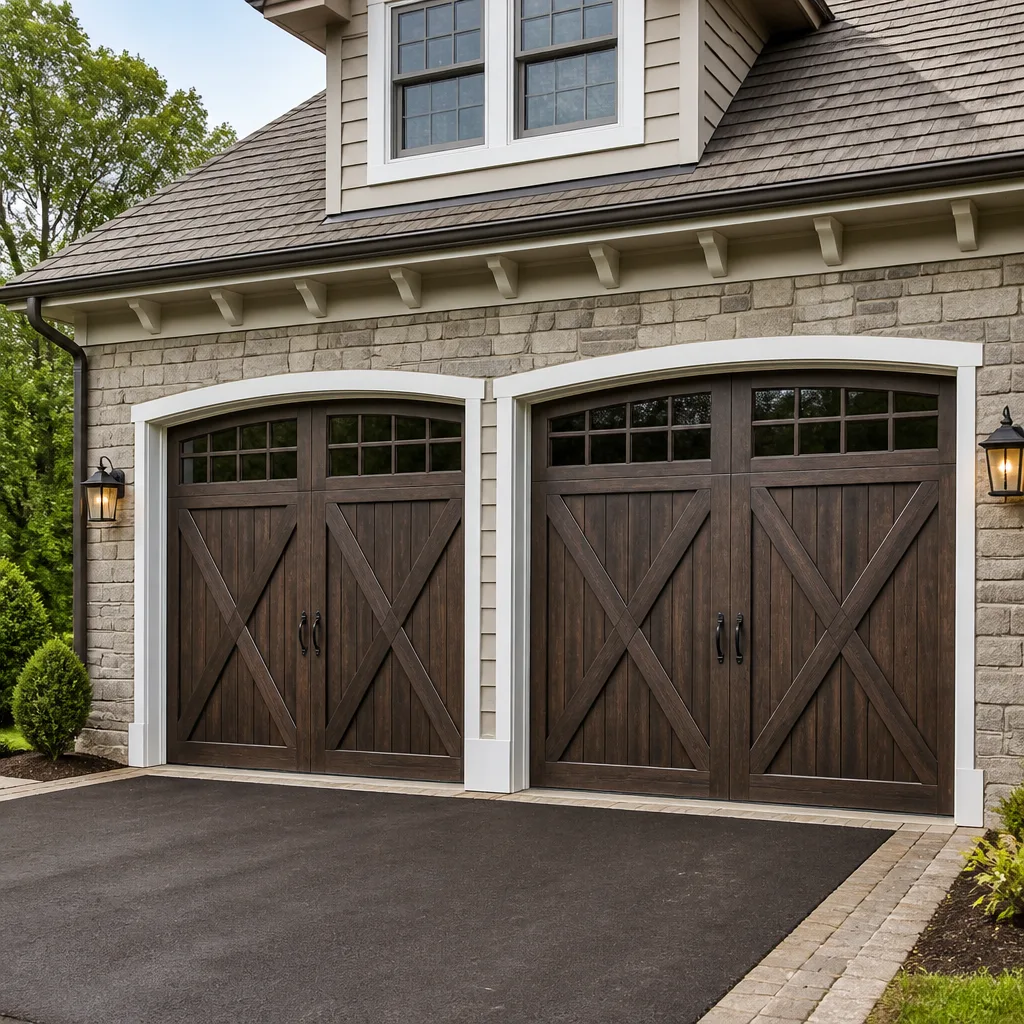 Carriage house
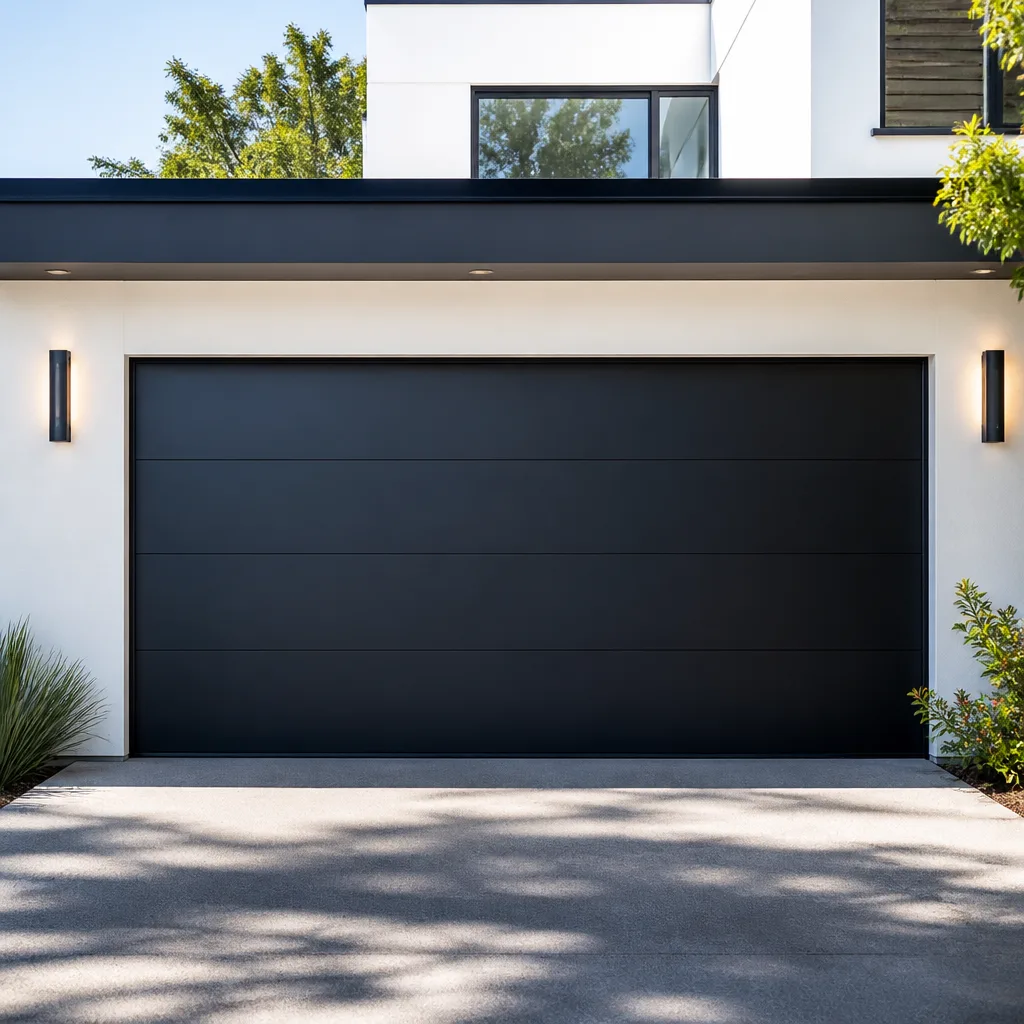 Modern flush
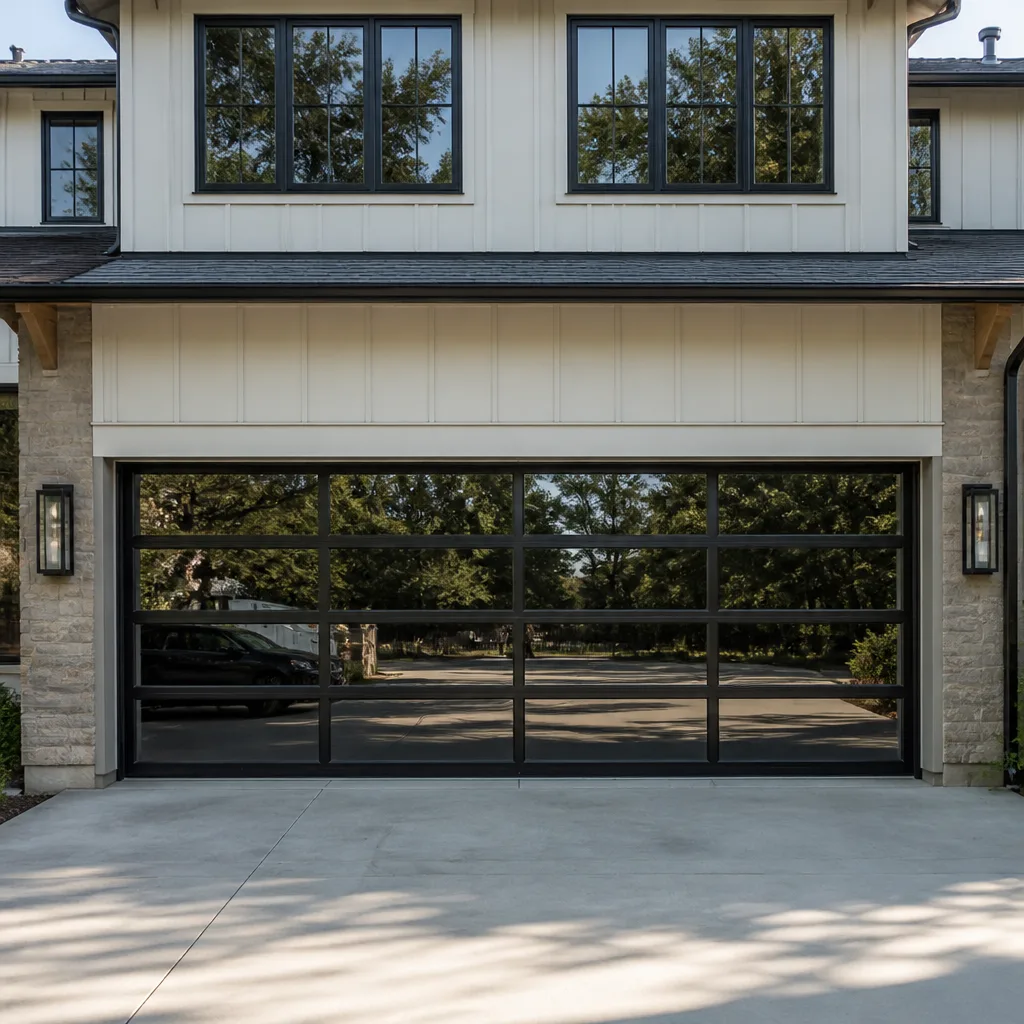 Full-view glass
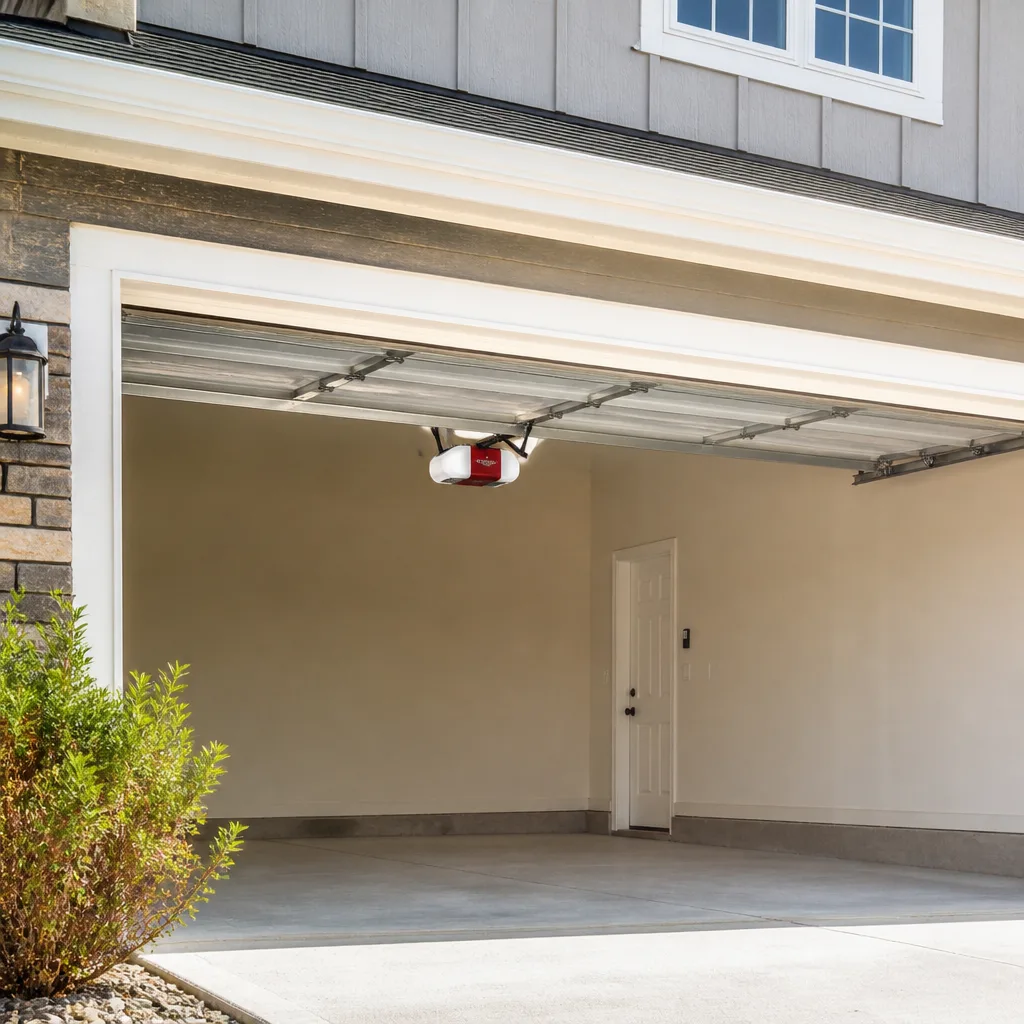 LiftMaster openers
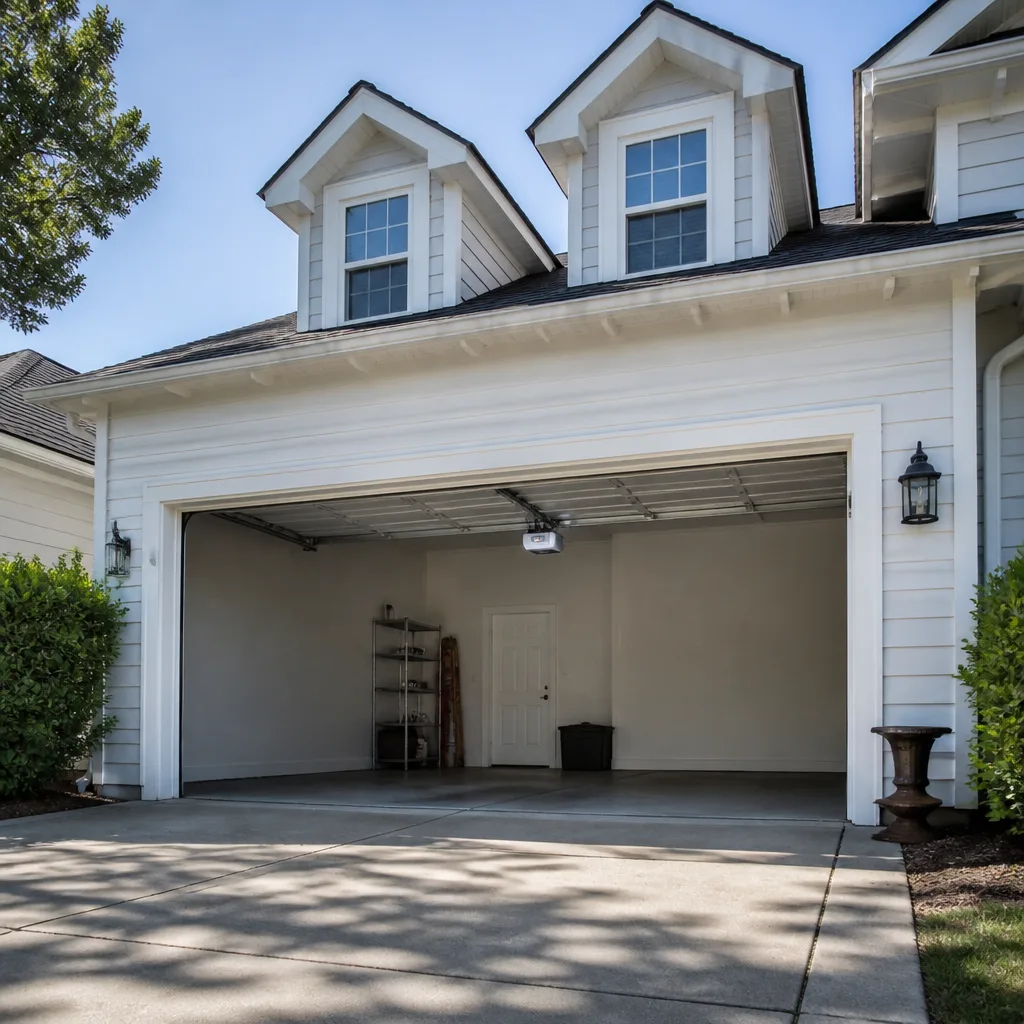 Chamberlain openers
Full 25-point door and opener safety check with every visit - springs, cables, rollers, tracks, and your LiftMaster or Chamberlain opener included
You get a price before we start. It does not change when the pro arrives.
Get your free estimateSeasonal Garage Door Care for Chicago Lawn: Year-Round Homeowner’s Guide
Most homeowners assume the coldest night of the year is when a garage door gives out. In our experience around Chicago Lawn, that’s backwards. Doors rarely fail at ten below zero. They fail in March, when frozen grease thaws unevenly, cables that contracted all winter suddenly shift their load, and a spring that was borderline in October finally lets go. The real damage happens in the transitions, not the depths. That’s why the two months that decide whether you’re making an emergency call this year are October and March. This guide walks through what each season actually does to your door in Chicago Lawn, where the stress hides, and how to stay ahead of it.
Quick Answer
Garage doors in Chicago Lawn fail most often during spring and fall temperature swings, not in deep winter. The two highest-value maintenance windows are October, when you lubricate, seal, and balance the door before the freeze, and March, when you check cables, springs, and rollers as everything thaws. Handle those two checkpoints and most emergency repairs never happen. Skip them, and a borderline spring or a cracked seal turns into a snapped spring or a water-damaged panel.
Styles & brands we work with
- Raised-panel steel
- Carriage house
- Modern flush
- Full-view glass
- LiftMaster openers
- Chamberlain openers
Table of Contents
- Why Spring and Fall Are the Real High-Risk Seasons
- The October Checklist: What to Do Before the Freeze
- The March Checkpoint: What to Do as Everything Thaws
- Road Salt and Chicago Lawn Alleys: The Bottom Panel Problem
- Summer Heat and the Urban Heat Island Effect
- Weatherstripping and Freeze-Thaw on Alley-Grade Concrete
- Spring Tension: Adjust Incrementally Instead of Replacing Reactively
- Brand-Specific Seasonal Quirks: Clopay, Amarr, Wayne Dalton, Craftsman
Why Spring and Fall Are the Real High-Risk Seasons
The mechanical stress on a garage door comes from change, not from cold. Metal contracts as temperatures drop and expands as they rise. A torsion spring wound to hold a specific door weight at 60°F is holding that same door at a slightly different effective weight at 10°F, because the steel in the door, the tracks, and the cables all shift together. When the shift is gradual, the door absorbs it. When it happens fast, in the space of a few weeks, that’s when parts that were already marginal give out.
In Chicago Lawn, that stress concentrates in two windows. Late October and early November, when overnight temperatures start dipping below freezing and the door’s lubricant begins to stiffen. And March, when the thaw arrives unevenly. The sun hits the south-facing side of an alley-facing door, the grease warms and softens there, but the north side and the tracks stay cold and stiff. The door then operates with uneven resistance, and cables that spent three months contracted suddenly carry a different load.
What that looks like in practice:
- Springs snap. A torsion spring near the end of its cycle will often fail in March, not January, because the added stress of uneven operation pushes it over the edge.
- Cables jump or fray. Contracted cables loosen slightly in cold, and on the first warm day the door’s weight redistributes across them.
- Rollers bind. Stiff grease in the rollers creates drag the opener has to fight, which is why opener motors burn out in early spring.
- Weatherstripping tears. The rubber gasket on the bottom of the door is at its most brittle in February, and the first big thaw exposes any crack.
Knowing this changes how you care for the door. You’re not just winterizing. You’re managing two transition points, and if you get those right, the extremes take care of themselves. Our Garage Door Repair Chicago Lawn work in the neighborhood revolves around these same two windows; it’s when we get the most calls and when the fixes are the most preventable.
The October Checklist: What to Do Before the Freeze
October is the single most valuable month to spend an hour on your garage door in Chicago Lawn. Everything you do now is protecting the door from three months of freeze and the transition that follows. Work through these steps in order.
- Lubricate the moving parts. Use a garage-door-specific lubricant on the hinges, rollers, and torsion spring coils. Avoid heavy grease, which stiffens in the cold and causes drag. A light coat on the spring coils and a few drops on each hinge pin is enough.
- Test the door balance. Disconnect the opener and lift the door halfway by hand. It should hold position without dropping or rising. If it drifts, the spring tension is off and needs attention before winter.
- Inspect the weatherstripping. Run your hand along the bottom seal. Any crack, flattening, or gap is going to leak cold air and let in meltwater. Replace it now rather than January.
- Check the bottom panel for rust. Look along the very bottom edge of the door, where road salt and meltwater collect. Any bubbling paint or surface rust needs cleaning and touching up before the freeze locks it in.
- Clear the tracks. Wipe down the vertical and horizontal tracks with a dry cloth. Small debris, leaves, and grit that seem harmless in October become a binding point when they’re frozen in place.
- Test the safety reverse. Place a piece of wood flat under the door and close it. The door should reverse on contact. If it doesn’t, the opener’s safety sensor needs adjustment before the cold.
- Check the opener’s force settings. Cold increases resistance. If the opener is set to the minimum force level, it may struggle in January. A slight bump in the force setting for the winter is normal.
This checklist takes most homeowners about an hour. If any step reveals a problem you’re not comfortable handling, particularly with the springs, that’s your cue to call before the freeze hits, not after. Our garage door repair work orders throughout Chicago Lawn show a clear pattern: doors that got an October once-over seldom need an emergency call in January.
The March Checkpoint: What to Do as Everything Thaws
March in Chicago Lawn is where the real danger lives. The snow melts, the grease softens unevenly, and everything that was under tension all winter suddenly has to move again. This is when a borderline spring snaps, when a frayed cable gives way, and when a warped bottom panel finally cracks. Run this inspection early in the thaw, ideally before the first really warm day.
- Listen to the door. Run it up and down once. Any new clunk, squeal, or grinding tells you where the problem is. A door that sounded fine in November and sounds rough in March has a transition issue.
- Look at the cables. Check both the torsion cables and the safety cables for fraying, kinks, or slack. On extension-spring doors, the safety cables should run through the springs. If they’re loose or missing, that’s a safety issue that needs addressing before you operate the door again.
- Check the springs for gaps. A torsion spring that’s beginning to fail will often show a visible gap between the coils or a stretched section. Look for a break in the coil. If you see one, stop operating the door.
- Re-test the balance. Same test as October: door disconnected, halfway up, should hold. If it dropped or rose, the spring tension has changed over the winter and needs adjustment.
- Clean and re-lubricate. The winter grease has gathered grit and moisture. Wipe the moving parts down and reapply a light lubricant, same as October.
- Inspect the weatherstripping for damage. Freeze-thaw at the bottom seal is where March reveals the winter’s cost. Any torn or flattened seal needs replacement before summer heat.
- Check the bottom panel for salt corrosion. This is the panel that takes the most punishment all winter. Any new rust speaks to how much salt crept in.
If any of these checks turn up a concern with the springs or cables, that’s exactly the job you don’t want to try yourself. A torsion spring under load carries enough stored energy to cause serious injury if it slips, and the tools to handle it aren’t in most home workshops. Call a trained professional for anything that involves the springs. Our garage door opener repair calls in March often trace back to a door that fought its opener all winter because the balance was off.
Road Salt and Chicago Lawn Alleys: The Bottom Panel Problem
Chicago Lawn’s alley system is a real seasonal factor for garage doors in a way that doesn’t apply to a suburban door set back from the street. The alleys collect road salt and brine all winter, and the meltwater from those alleys creeps toward the garage. Every time a car pulls into an alley-side garage, the tires carry salt onto the apron, and that salt-laden water migrates to the bottom of the door.
Steel doors are the most vulnerable. The bottom panel is where the salt water pools and where the paint film takes the most physical abuse, and once that paint film breaks, the steel underneath rusts quickly. The pattern we see in Chicago Lawn is that the very bottom edge of the door – the last six inches – corrodes well before the rest of the panel shows any wear. Contrast that with an inland suburban garage where the door sits behind a longer driveway and the salt load is lower, and the same door might last years longer before showing that damage.
What actually helps:
- Rinse the bottom panel off after heavy salt weeks. A hose and a quick wipe removes the salt before it can settle into seams and hinges.
- Touch up any paint chip right away. A steel panel is only protected where the paint is intact. A tiny chip is all the rust needs to start.
- Consider an aluminum or composite door if you’re replacing. Clopay and Amarr both make doors that handle salt exposure better than galvanized steel, which is worth knowing before you replace a corroded panel.
- Add a rubber threshold at the door base. A small threshold strip keeps alley meltwater from pooling directly against the door’s bottom edge.
If a bottom panel is already rusted through or bubbling badly, patching it rarely lasts. A replacement panel is usually the better answer, and that’s the kind of work we handle as part of our garage door installation service. In Chicago Lawn, this is one of the most common reasons homeowners end up replacing a door panel they didn’t expect to touch.
Summer Heat and the Urban Heat Island Effect
Chicago Lawn’s summer heat hits garage doors harder than the surrounding open suburbs because of the urban heat island. Concrete, asphalt, and dense housing trap heat, and a west- or south-facing garage can get noticeably hotter than the ambient temperature. A door that faces the afternoon sun will run hotter than one shaded by a tree, and that heat does different things depending on what the door is made of.
Wood doors expand in the heat. The panels can bow or warp slightly, which throws off the balance and can cause the door to rub on one side. Composite and wood-look doors behave similarly. Steel doors expand too, though less dramatically, and the biggest effect is on the seals and the lubrication – grease thins out in the heat and runs off the moving parts, which is why a door that was smooth in May can feel rough in August.
What to watch for in Chicago Lawn summers:
- Warped panels on wood and composite doors. If the door starts to rub or the panels ripple in the sun, the door needs adjustment before the warp becomes permanent.
- Dried-out and cracked weatherstripping. UV and heat make the bottom seal brittle, and a dry seal cracks in the heat and then fails completely in the first freeze.
- Thinned-out lubrication. Heat thins the grease, which drips off the spring coils and off the rollers. A mid-summer reapplication keeps things protected.
- Opener strain. A door that’s already slightly out of balance puts more strain on the opener in the heat, because the motor fights expansion and warped panels. If the opener is cycling more often, that’s the sign to check the door’s balance.
The good habit in Chicago Lawn is a mid-summer check on the door’s balance and lubrication, and a quick look at the weatherstripping. It’s a twenty-minute task that saves the door from the transition damage that shows up in October.
Weatherstripping and Freeze-Thaw on Alley-Grade Concrete
The most overlooked damage on a Chicago Lawn garage door happens at the bottom seal, and it’s driven by freeze-thaw cycling on the alley-grade concrete aprons. Those aprons move. They heave up as the ground freezes and settle as it thaws, and a door’s bottom seal is only as good as the surface it contacts. When the concrete shifts even a fraction, the seal that was flush in October has a gap or a pressure point by January.
The failure pattern is predictable. The seal compresses in one spot where the concrete has heaved, and tears or flattens. The gap then lets cold air and meltwater under the door. In March, that trapped water freezes and expands and tears the seal further. By the following winter, the door is leaking air under the entire bottom edge.
What to do about it:
- Replace a torn or flattened seal before winter, not after. The seal is inexpensive and quick to swap. Do it in October when the door can be raised and the new seal fitted in reasonable weather.
- Check the concrete apron for heaving. If the apron has shifted enough that a new seal can’t sit flush, a small retrofit threshold at the door base will fill the gap.
- Clean the concrete at the door base in the fall. Debris and salt buildup lifts the seal off the concrete. A quick sweep and rinse lets the new seal sit properly.
- Inspect after the first hard freeze. A visual check will catch most seal failures before the snow.
Seal work is one of the fastest parts fixes we handle. Our parts service carries the specific weatherstripping for popular door brands, so a seal replacement usually doesn’t need a special order.
Spring Tension: Adjust Incrementally Instead of Replacing Reactively
Spring failure is the number one seasonal problem we see in Chicago Lawn, and it’s also the one with the clearest preventive approach. The mindset most homeowners have is to replace the spring when it breaks. The better approach is to know its condition ahead of time, because a spring that’s near the end of its cycle will often show signs in October that tell you whether the door will last the winter.
Springs are measured in cycles, and a standard torsion spring is rated for a certain number of open-and-close operations. As it approaches that limit, it loses some of its tension. Signs to look for:
- The door feels heavier. If the door needs a lift by hand where it used to move freely, the spring is losing tension.
- The door drifts when half open. A door that slowly sinks from the halfway position when disconnected has a tension problem.
- The door struggles to open on the opener. The opener fighting the door is often a spring issue, not an opener issue.
- The spring has visible gaps. Small gaps between the coils on a torsion spring are a normal sign of wear. A full break means the door should not be operated until it’s repaired.
Adjusting spring tension on a torsion system is a professional job. The springs are under enormous stored energy, and a wrong adjustment or a slipped winding bar can cause injury. The point here isn’t to adjust them yourself – it’s to check them in October and again in March so a stretch or a loss of balance is caught while it’s still an adjustment rather than a break. If the spring is broken or the door is out of balance, stop operating it and call for a technician. Spring repair is a core service for us and, in our experience, it’s the one where getting it right matters the most.
Brand-Specific Seasonal Quirks: Clopay, Amarr, Wayne Dalton, Craftsman
Doors from different manufacturers behave in slightly different ways through the Chicago Lawn seasons, and knowing the quirks of your specific door makes a difference to how you look after it. We work on Clopay, Amarr, Wayne Dalton, and more, and the seasonal patterns we see for each brand are worth knowing before you start any check.
Clopay. Clopay steel and composite doors handle freeze-thaw well, but the bottom seals on their residential doors are worth checking in October. Clopay composite doors are more prone to expansion in a hot Chicago Lawn summer than steel, so a balance check in July is worth doing.
Amarr. Amarr steel doors are common in the Chicago Lawn area because of their insulated options. The insulation panels don’t like long-term moisture ingress from a failed bottom seal, so keeping the seal intact is more important on an Amarr door than on an uninsulated one.
Wayne Dalton. Wayne Dalton’s steel doors are prone to paint bubbling at the bottom edge after years of salt exposure from an alley-side garage. The seasonal touch-up routine in October matters more on a Wayne Dalton door for this reason.
Craftsman. Craftsman garage door openers, especially the older chain-drive models, are sensitive to door balance changes. A door that’s beginning to lose spring tension puts strain on the opener, and Craftsman units will often trip the force limit rather than run through the resistance. If your Craftsman opener reverses or stops mid-travel in March, check the door’s balance first – the opener is usually reporting a door problem, not causing one.
Our technicians have up to 12 years of experience across these brands, and knowing the seasonal patterns for each one is a big part of what that experience means. If your door isn’t on this short list, our parts service and repair work covers a wider range, and a quick call will confirm whether we can help.
Common Mistakes to Avoid
- Waiting for a break instead of checking in October. Most Chicago Lawn springs that fail in March would have been caught as “near the end of their cycle” in October. A check costs nothing; a break costs a spring replacement and possibly the door.
- Using heavy grease on the moving parts. Standard chassis grease thickens in the Chicago cold and drags on the door. Use a garage-door-specific lubricant that stays light.
- Ignoring the bottom seal because it looks fine from outside. The Chicago Lawn alley-grade concrete makes the seal the first thing to fail, and most homeowners only notice once it’s leaking air under the whole door.
- Operating the door after the spring breaks. A door with a broken spring should not be opened by the opener, and forcing it can damage the opener’s gears and bend the tracks. Stop and call for help.
- Adjusting spring tension yourself. The springs carry enough force to cause serious injury. This is the one part of garage door care that should always be a professional job.
- Skipping the summer re-lubrication. Heat thins the grease and lets it run off the spring coils and rollers. The door feels fine in August but the winter protection is already gone.
- Assuming rust on the bottom panel is cosmetic. In Chicago Lawn the salt exposure means a small rust spot can become a hole in a single season. Touch it up before it spreads.
See the difference
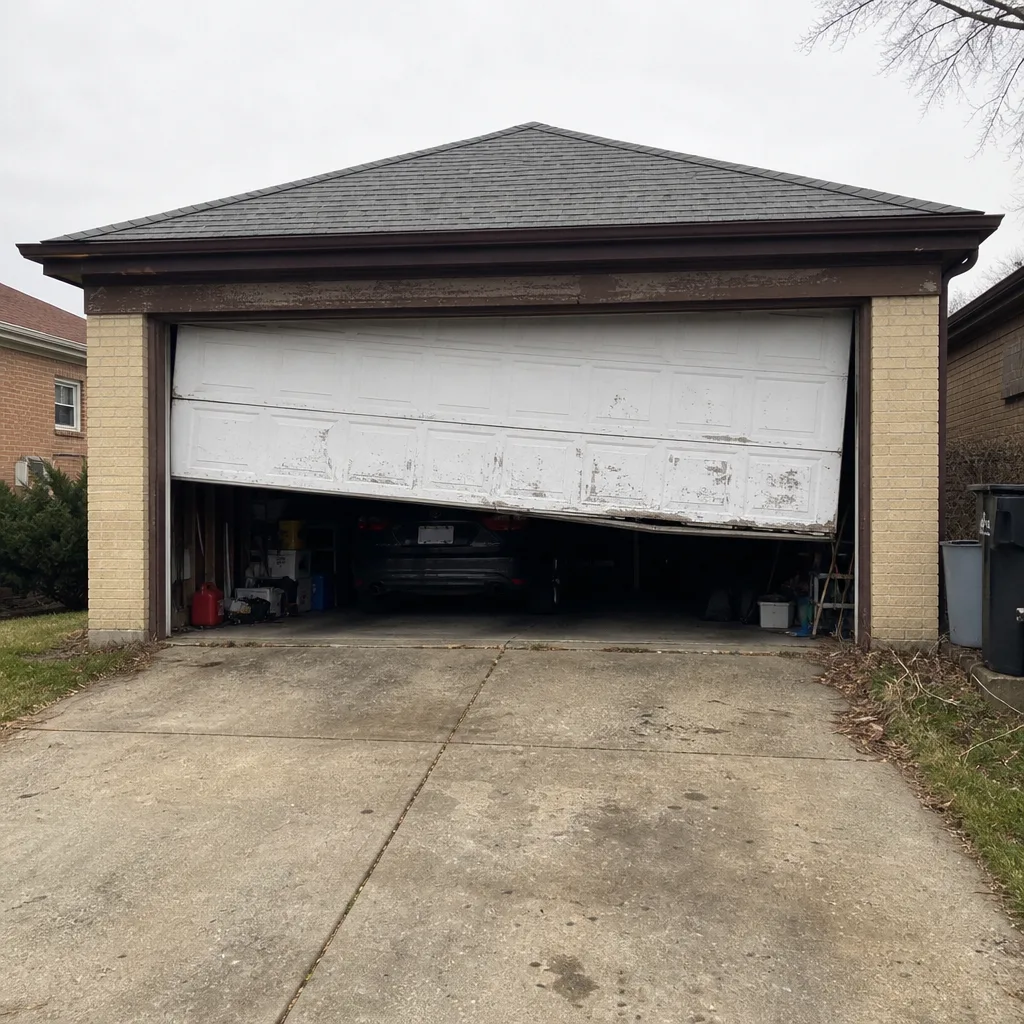 Before
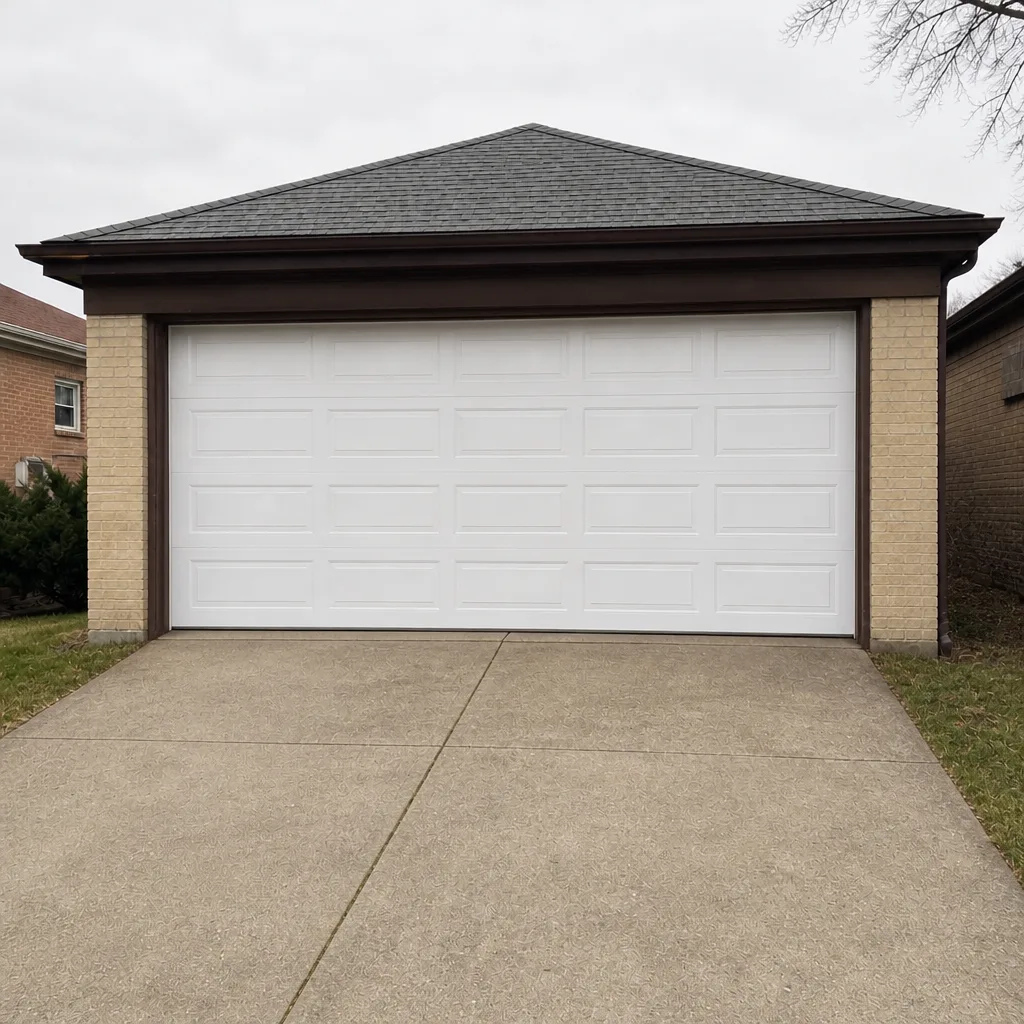 After
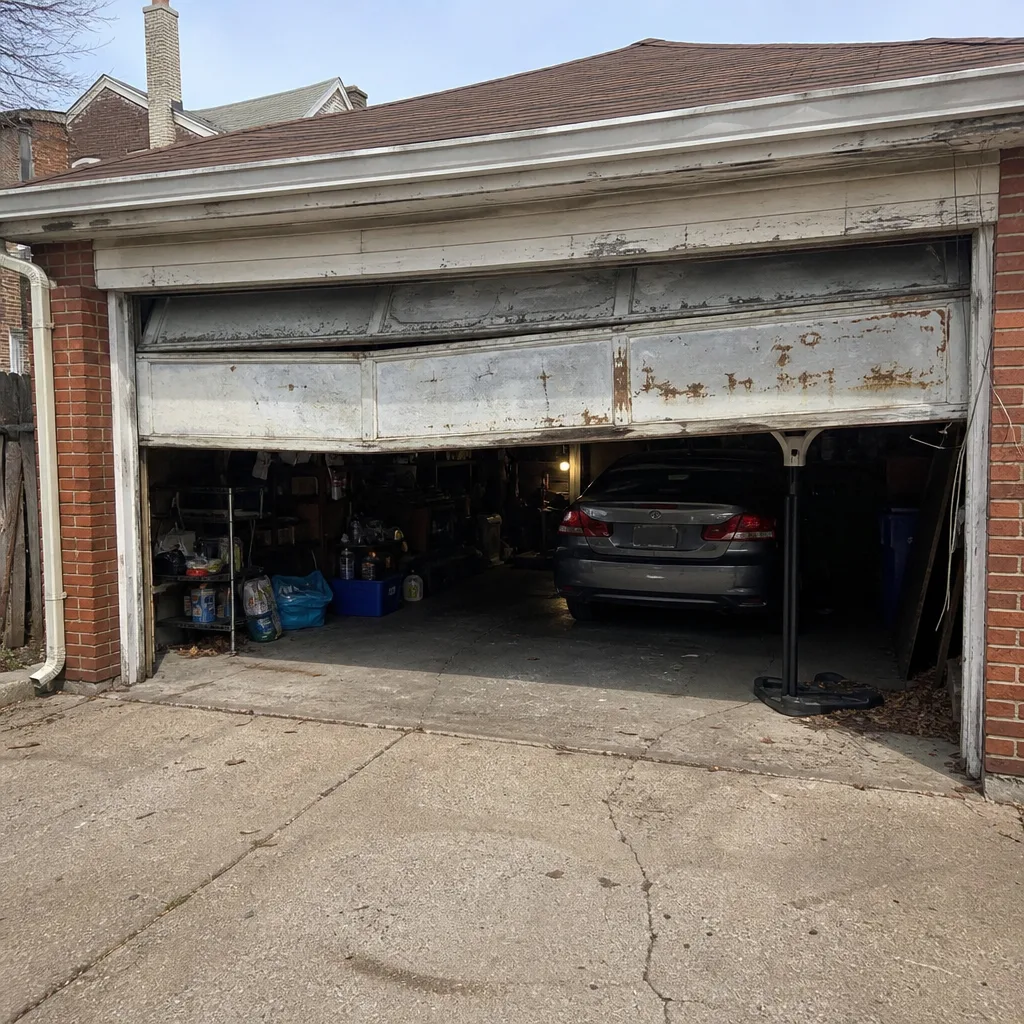 Before
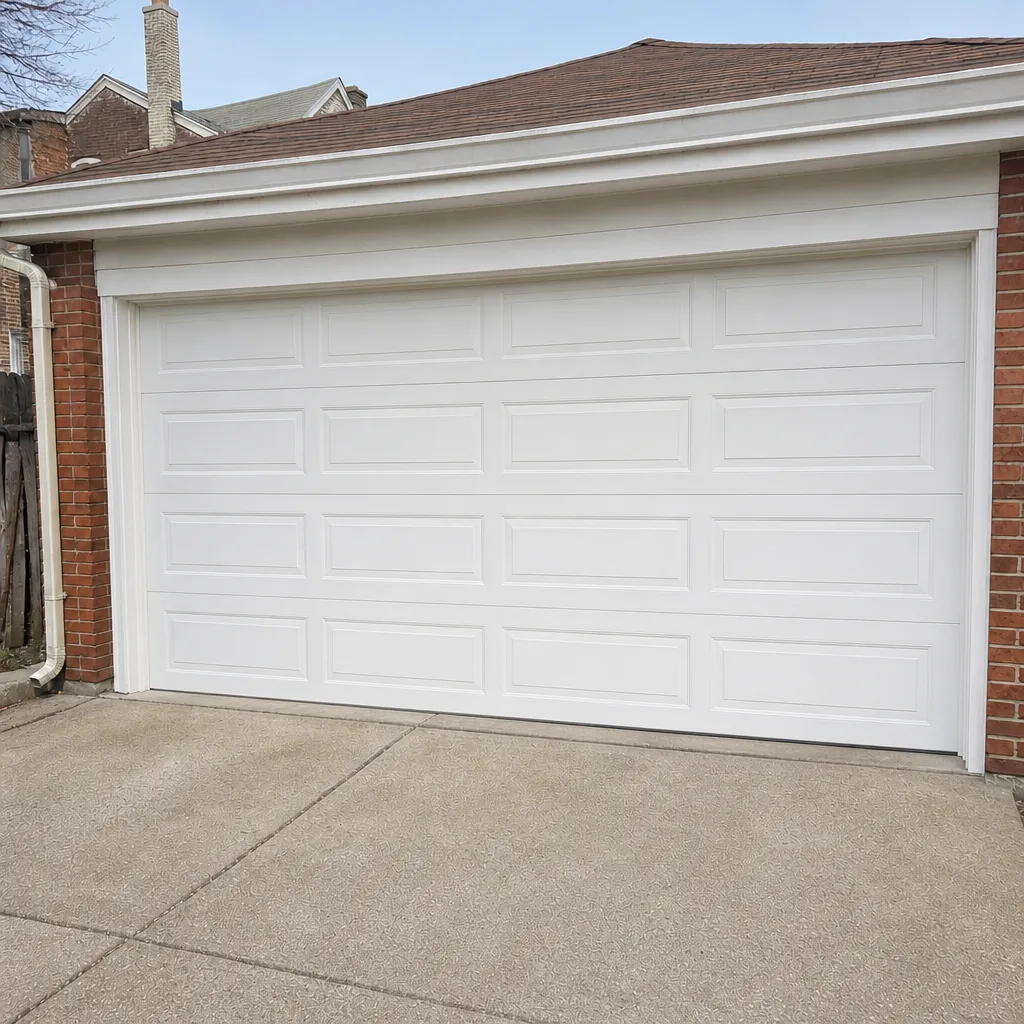 After
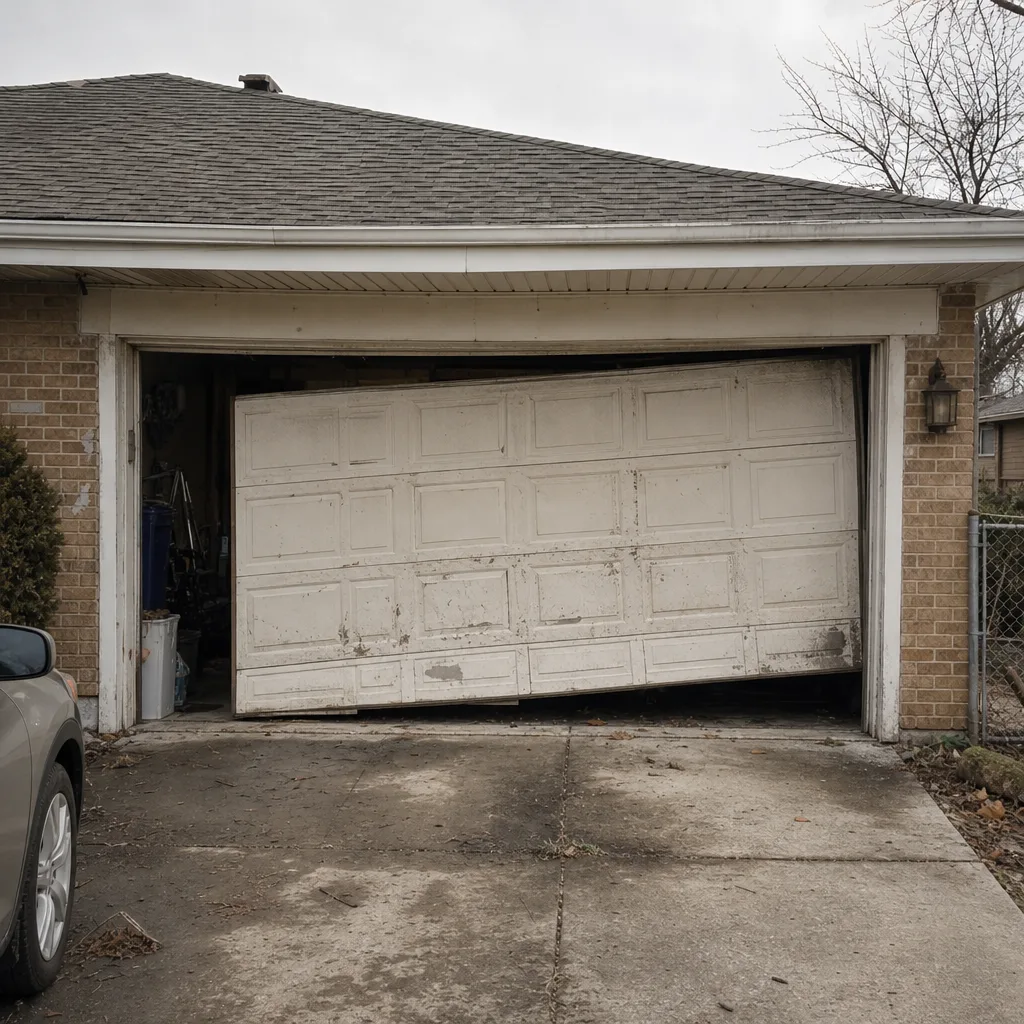 Before
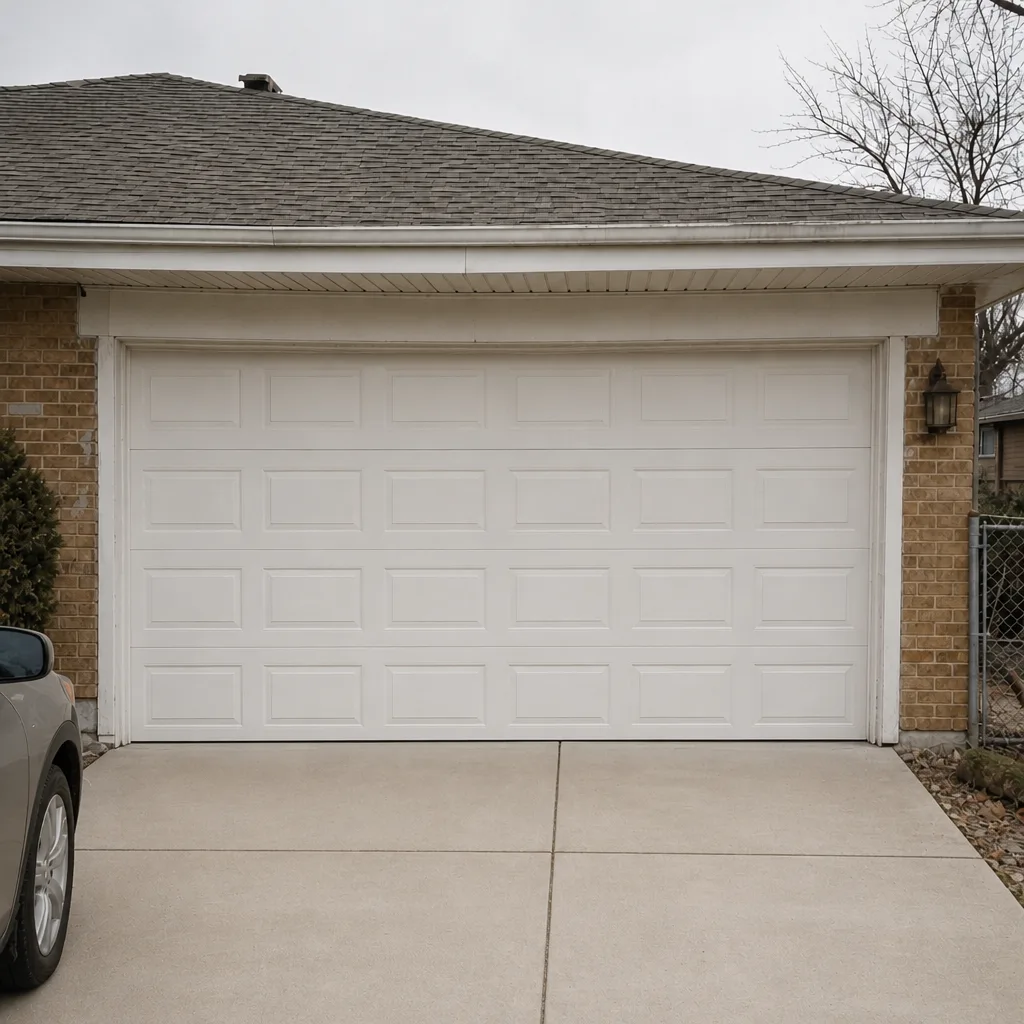 After
When to Call a Professional
Some of what a garage door needs, you can handle yourself. The lubrication, the weatherstripping check, the concrete sweep, the visual inspections – those are safe and worth doing. What you shouldn’t touch is anything involving the springs, the cables, or a door that’s badly out of balance. Call a professional if a spring is broken, if the door feels much heavier than it used to, if the door drifts from the halfway position when disconnected, if you see a gap or break in a torsion spring, or if a cable is frayed, kinked, or slack. Call if the door won’t move, if the opener reverses unexpectedly, or if the door rubs on one side. And call for anything that involves the bottom seal against a shifting concrete apron you can’t correct. Garage Door Repair Chicago Lawn offers free estimates in Chicago Lawn – call (855) 658-4150 for prompt, professional service for any of these.
Frequently Asked Questions
The two most important times are October, before the first freeze, and March, as everything thaws. Those are the transition months when temperature stress peaks. A lighter check in summer for balance and lubrication, and a quick seal check after the first hard freeze, round out the year. If you do nothing else, do the October and March checkpoints.
Because the stress comes from temperature change, not from cold itself. In March, grease thaws unevenly – the sun softens one side of the door while the shaded side stays cold and stiff. That uneven operation puts new stress on cables that spent the winter contracted, and on a spring that was already near the end of its cycle. Most spring breaks in Chicago Lawn happen in this window, not in January. Call (855) 658-4150 if your door sounds different as the weather warms.
No. Spring tension adjustment is the one part of garage door care that should always be done by a trained professional. Torsion springs carry enough stored energy to cause serious injury if they slip, and the adjustment itself needs specific tools and training. You can check the balance safely – door disconnected, lifted halfway, should hold – but leave the adjustment itself to a technician.
Road salt from the alleys. Chicago Lawn’s alley-grade concrete aprons and heavily salted streets mean the bottom edge of an alley-facing door collects salt-laden meltwater all winter. Once the paint film breaks, the steel rusts quickly. Rinsing the bottom of the door after heavy salt weeks and touching up any paint chip right away slows the process. A badly rusted bottom panel usually needs replacement rather than a patch.
Look for three signs: the door feels heavier than it used to, the door drifts or slowly sinks from the halfway position when disconnected, or small gaps appear between the coils on the torsion spring. Any of these means the spring is losing tension. If you see a full break or a gap in the spring, stop operating the door and call for a technician. Estimates are free.
It can, especially in Chicago Lawn’s urban heat island where concrete and asphalt trap heat. Wood and composite doors can warp or bow slightly, which puts the door out of balance. Heat also thins the lubricant so it runs off the moving parts, and it makes the bottom seal brittle. A mid-summer balance check and re-lubrication cover most of it.
The Bottom Line
Chicago Lawn’s four seasons don’t damage a garage door equally. The damage concentrates in the transitions, and specifically in October and March, because that’s when temperature change actually stresses the components. Spend an hour on the door in each of those months – lubricate, check the balance, look at the seals, check the springs – and most emergency repairs never happen. If any step involves the springs, the cables, or a door that’s visibly out of balance, call a trained professional. Estimates are free. Reach us at (855) 658-4150 and we’ll walk you through what the door needs.
Contact
Call (855) 658-4150 for a free estimate on garage door repair, spring repair, opener repair, parts, or installation in Chicago Lawn. Whether you’re checking the door in October, sensing trouble in March, or replacing a corroded bottom panel, we can help. Estimates are free, and we work across all the brands named in this guide.
Written by the team at Garage Door Repair Chicago Lawn.